



What Is A Corrosion Coupon Holder?
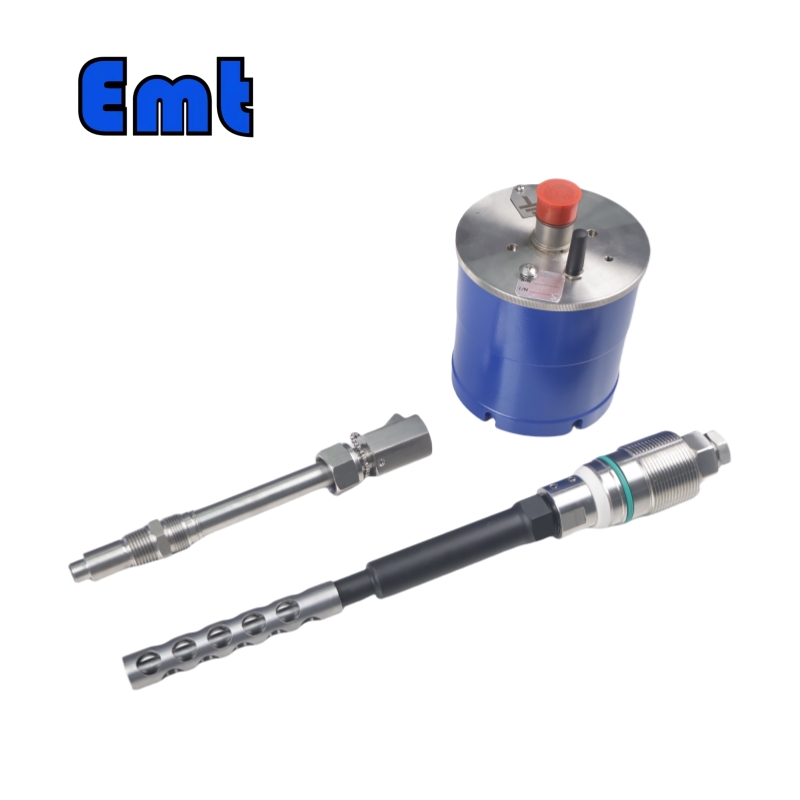
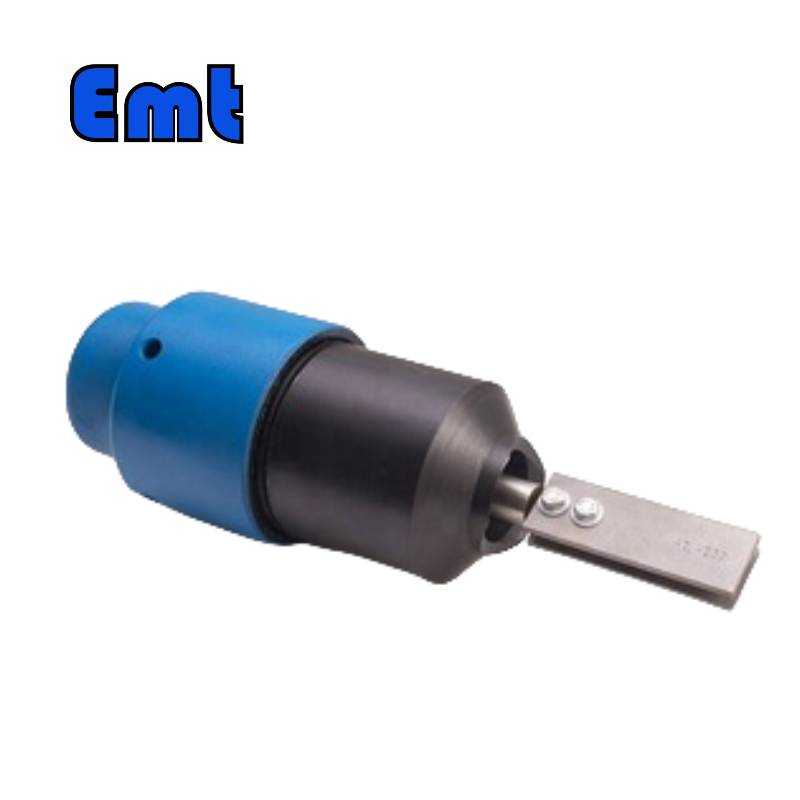
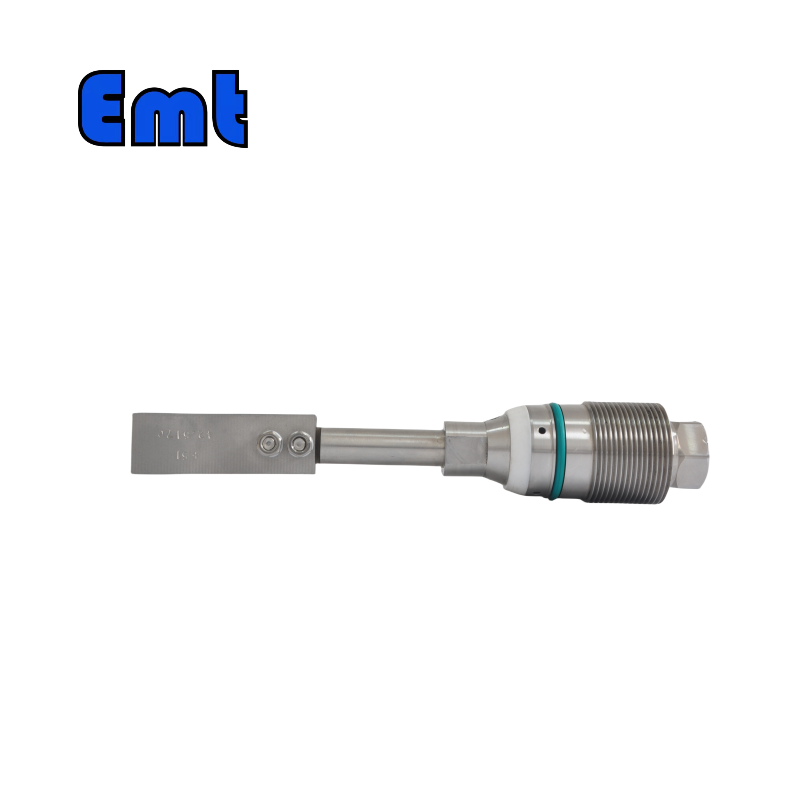
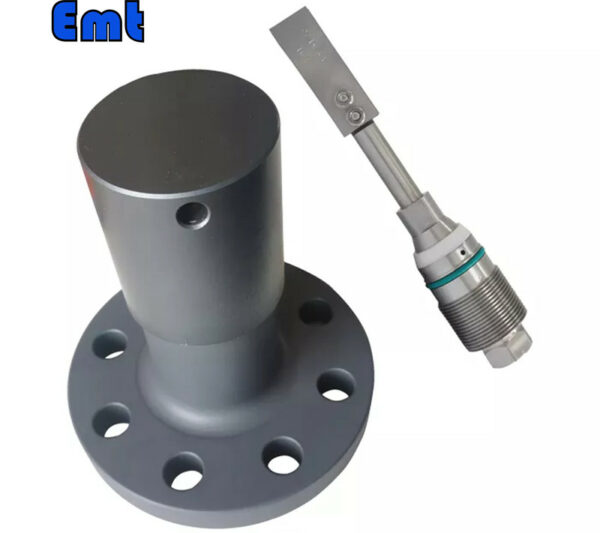
A coupon holder is the part that carries the corrosion coupon and holds it in position inside the pipeline. The coupon itself is a small piece of metal, a disc in the standard flush design. On its own it would fall into the line and be lost. The holder gives it somewhere to sit, locates it at the right point in the flow, and provides the connection through which a retrieval tool can get it back out.
It sounds like a minor component. It is not. The holder determines whether the monitoring point can be installed in a piggable line at all, and it is the part that has to be right for a coupon programme to work over a full year of retrieval cycles.
Why The Coupon Has To Sit Flush
Here is the constraint that shapes the whole design. In a piggable pipeline, the monitoring element must not obstruct tool travel.
A coupon standing proud of the pipe wall is a damage risk to both the coupon and the pig. Inline inspection tools are sensitive to obstructions, and a pig that hits a raised coupon can tear the seal or deform the tool. So the coupon is mounted flush, set level with the pipe inner surface, in the upper wall of a horizontal run.
The upper wall matters for a second reason. The coupon has to be in the flow stream to see representative conditions, but it also has to be out of the way. The upper wall of a horizontal run satisfies both, and it keeps the line piggable.
For probes, the equivalent limit is a tip protrusion of 1.5 mm or less from the pipe internal diameter. A flush disc coupon holder and a flush-mounted probe solve the same problem in two different ways.
How The Holder And Coupon Work Together
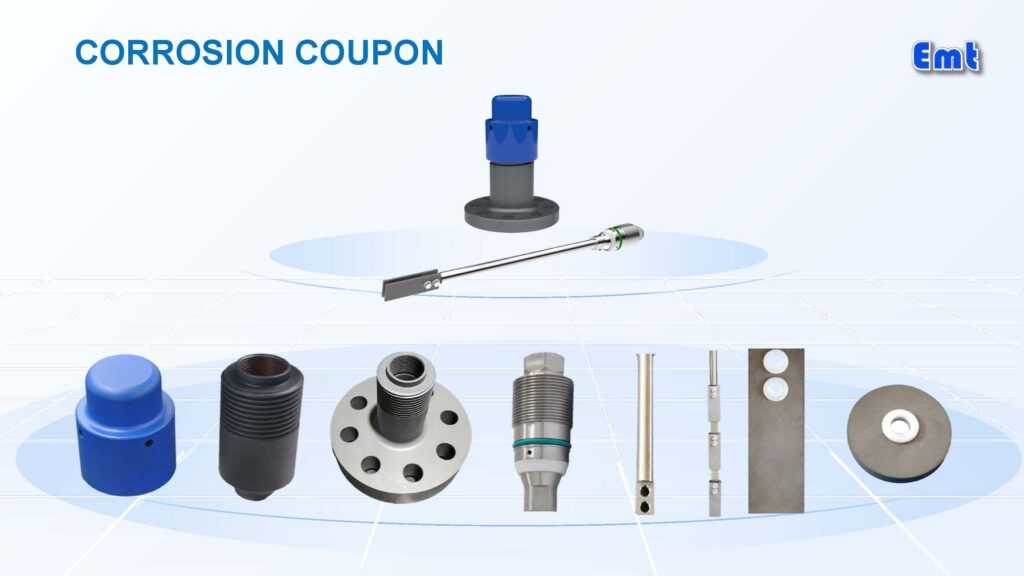
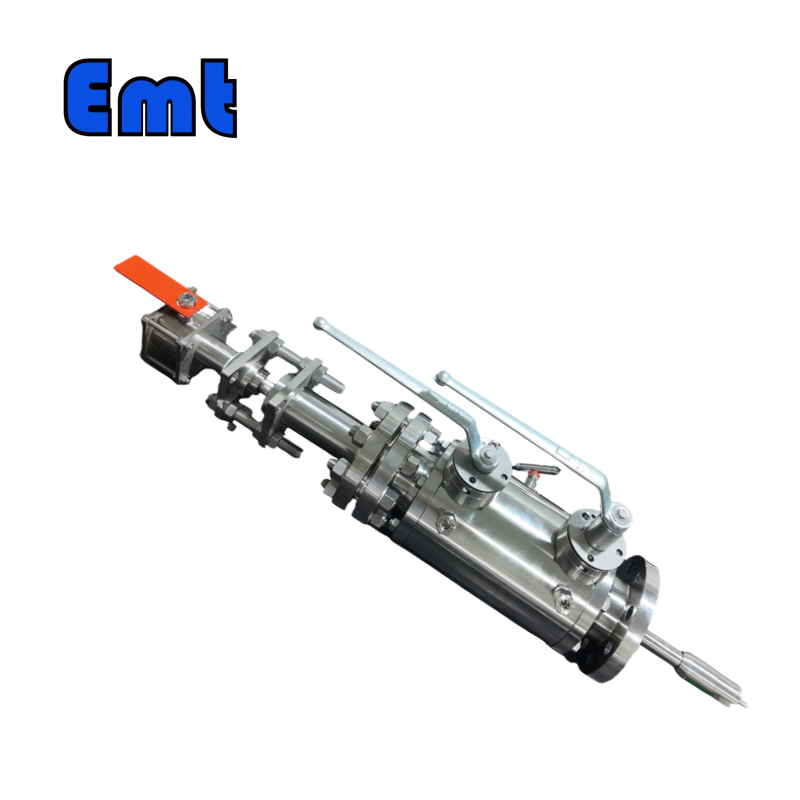
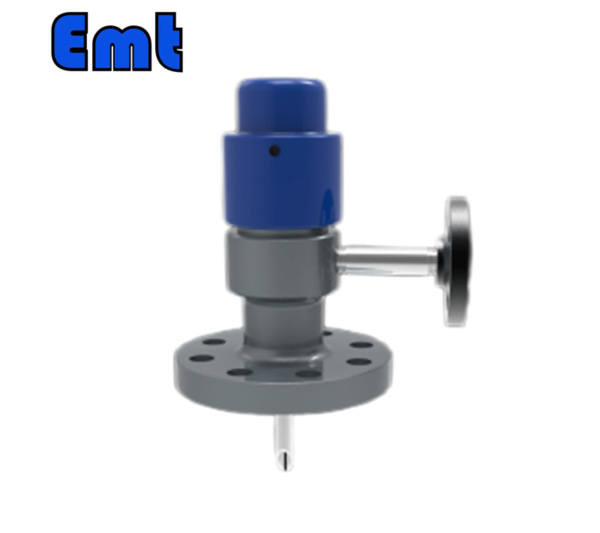
The coupon is fixed on a plug, and the plug runs into the body of the monitoring access fitting. The holder is what makes that arrangement repeatable: it carries the coupon, seats it at the correct depth, presents the surface to the flow, and provides the catch feature the retrieval tool grips.
| Element | Function |
|---|---|
| Coupon | Flush disc specimen, blast cleaned, serial stamped for traceability |
| Holder | Carries the coupon, holds it flush, provides the tool catch |
| Access fitting | Branch connection welded into the line, receives the holder, houses the tool |
| Retrieval tool | Catches the plug and withdraws it, under pressure where the tool is hydraulic |
Holder and the access fitting are a matched pair. The holder has to reach the correct depth in the fitting, and the tool has to pass through the same fitting and reach the holder. That is why specifying the holder separately from the fitting tends to create problems at retrieval time rather than at purchase time.
Specification Points That Matter
| Parameter | Value | Why it matters |
|---|---|---|
| Coupon form | Disc-shaped, flush mounted | Set level with the pipe wall in the upper wall of a horizontal run |
| Surface finish | Blast cleaned to SA 2.5, typically 120 grit | A polished coupon resists corrosion longer than the mill-scale pipe wall and reports a rate that is too low |
| Minimum coupon thickness | Down to 1.6 mm | Thinnest coupon, depends on material and service |
| Material | SS316 and other alloys | Matched to the pipe material so the coupon corrodes the way the line does |
| Traceability | Customer-stamped serial number | Each coupon has to be traceable for the record to be worth keeping |
| Mounting | Coupon fixed on plug, run into fitting | Keeps the line piggable |
| Custom options | Finer grit, longer holders | Outsourced, extra cost |
The surface finish row is the one that surprises people. A highly polished coupon can resist corrosion longer than the actual pipe wall, which normally carries a rougher mill-scale finish. The coupon then reports a rate lower than the real line, and the whole programme ends up calibrated to a surface the pipeline does not have. Standardising the preparation is what makes the data comparable year over year.
Retrieval Under Pressure
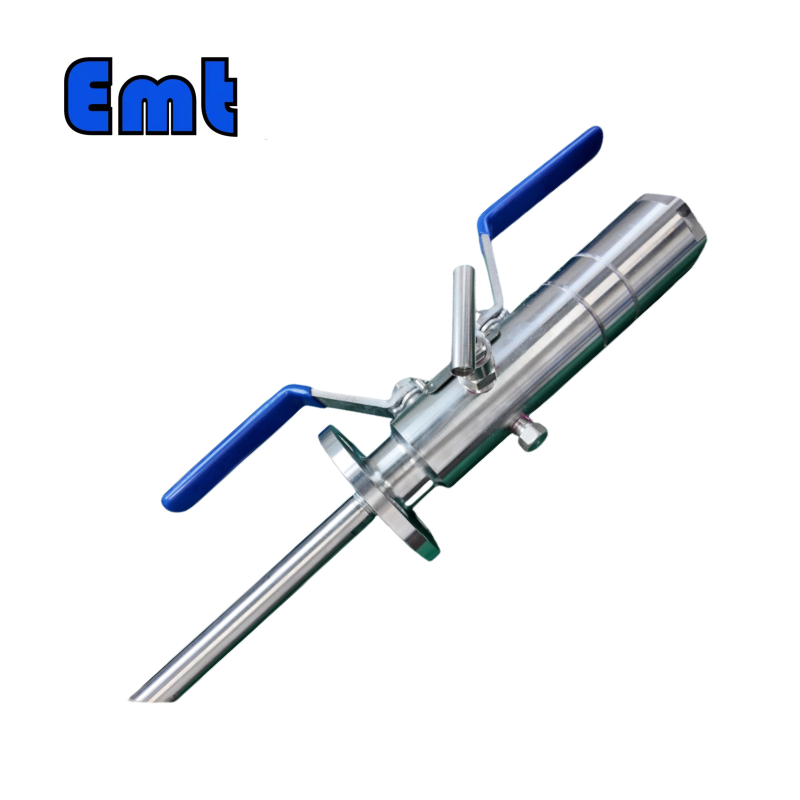
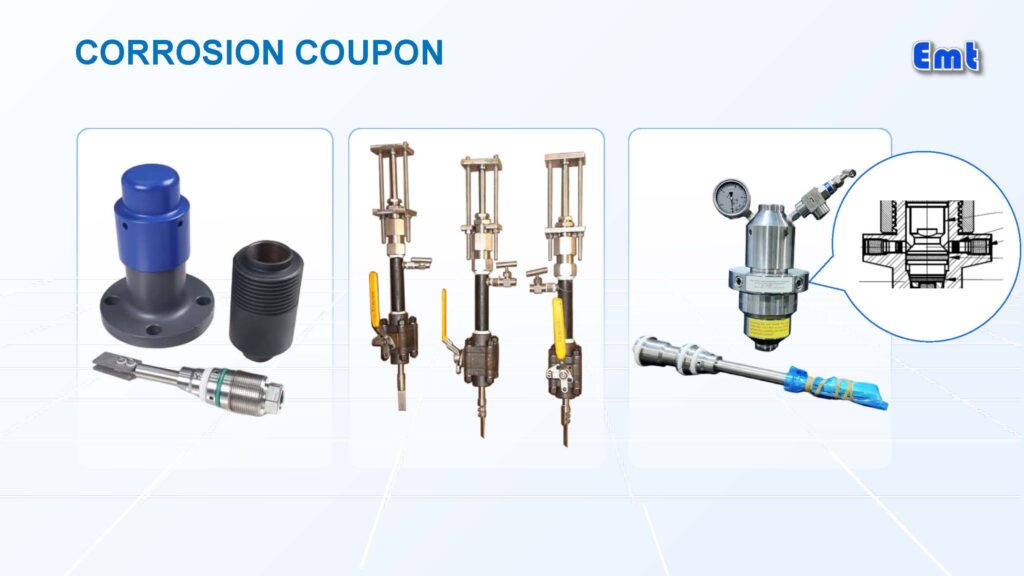
The coupon is retrieved with a double-acting hydraulic retrieval tool that can install and recover the coupon under pressure, so the line stays in service. The operation is straightforward once the procedure is established:
- Stop the chemical supply and isolate the chemical line to the fitting.
- Depressurise the chemical line through the vent on the tool body.
- Confirm the safety interlock or retraction stop is engaged.
- Insert the tool through the access fitting and catch the plug.
- Withdraw the coupon assembly steadily.
- Close the isolation valve and confirm the seat position.
- Seal test the tool before it goes back into a live line.
That last step is the one that is skipped and should not be. Pressurise the tool and hold it for one to two minutes. The pressure has to stay stable. A tool that brings the coupon out and then leaks in a live line has traded a monitoring problem for a bigger one.
How To Specify A Holder
- Start with the access fitting, not the holder. The holder has to suit the fitting that is already installed, and the tool has to pass through that same fitting.
- Confirm the coupon geometry. Flush disc in the standard arrangement, with the minimum thickness and material matched to the line.
- Set the coupon material and finish together. The material has to match the pipe so the coupon corrodes the way the line does, and the finish has to be the standard 120 grit blast clean.
- Decide on traceability. A customer-stamped serial number on each coupon, because a coupon without an identity cannot be tied to a result.
- Include the retrieval tool in the package. Holder, fitting, coupon and tool work as one arrangement, and specifying the holder on its own is how retrieval problems start.
Typical Applications
Corrosion coupon holders are used wherever a corrosion coupon is installed in a live pipeline: crude oil and product lines, gas transmission systems, refineries, petrochemical plants and water systems. The flush arrangement is what allows the coupon to be installed on a piggable line without interrupting the pigging programme, and the retrievable design is what allows the coupon to come out without a shutdown.
EMT supplies the coupon holder, the corrosion coupons themselves, the monitoring access fitting, and the hydraulic retrieval tool that recovers them under pressure.
FAQ
What is a corrosion coupon holder?
The component that carries the corrosion coupon and holds it in position inside the pipeline. It locates the coupon flush with the pipe wall so the pig passes over it, and it provides the catch feature that the retrieval tool grips to bring the coupon out.
Why must the coupon be flush mounted?
So the pigging programme is not interrupted. A coupon standing proud of the pipe wall in a piggable line is a damage risk to both the coupon and the pig, and it can stop or damage an inline inspection tool. Flush mounting in the upper pipe wall of a horizontal run keeps the line fully piggable.
Can a coupon be retrieved while the pipeline is running?
Yes, with a double-acting hydraulic retrieval tool. The tool catches the plug and withdraws the coupon under pressure, and the isolation valve closes behind it. That is what makes a live-line monitoring point possible.
What size coupon should I use?
The coupon has to be thin enough to sit flush without weakening the plug, and thick enough to survive the exposure period. EMT supplies down to 1.6 mm minimum thickness, with the material matched to the pipe. The exact size follows from the holder and fitting combination, so specify those together.
Why does the surface preparation matter?
Because it sets whether the measurement means anything. A polished coupon resists corrosion longer than the mill-scale pipe wall and reports a rate that is too low, so the whole programme gets calibrated to a surface the pipeline does not have. The standard 120 grit blast clean to SA 2.5 keeps the result comparable year over year.
What is the difference between a coupon holder and a coupon?
The coupon is the specimen that actually corrodes and gets weighed. The holder is the hardware that carries it, holds it flush in the flow, and lets a tool pull it back out. You need both, plus the access fitting and the retrieval tool, and they have to be a matched set.
How often is the coupon replaced?
Every 30 to 90 days, following the exposure window that lets the corrosion process stabilise. Shorter exposures overstate the rate, and longer exposures lose data once the coupon becomes heavily encrusted. The coupon is a consumable, not a permanent installation.
Related EMT products
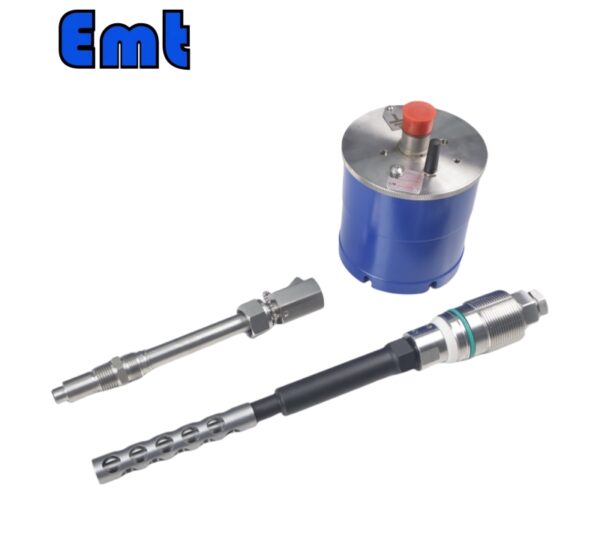
Related items in the same package include the corrosion coupons themselves, the corrosion monitoring access fitting the holder sits in, the hydraulic retrieval tool that recovers it, and the corrosion probes used where a live rate is needed instead.
Reviews
There are no reviews yet.