

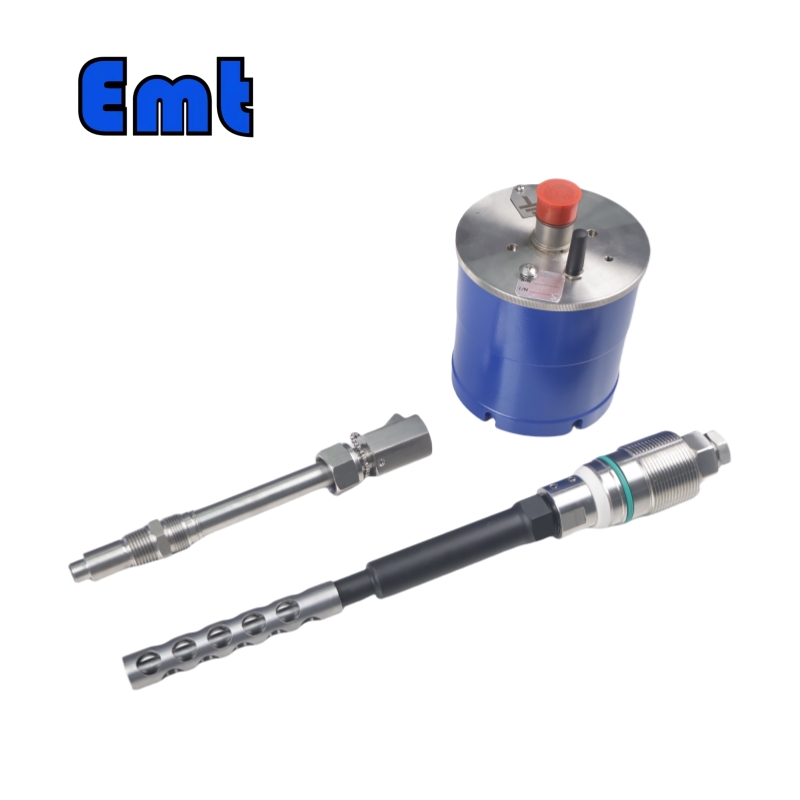
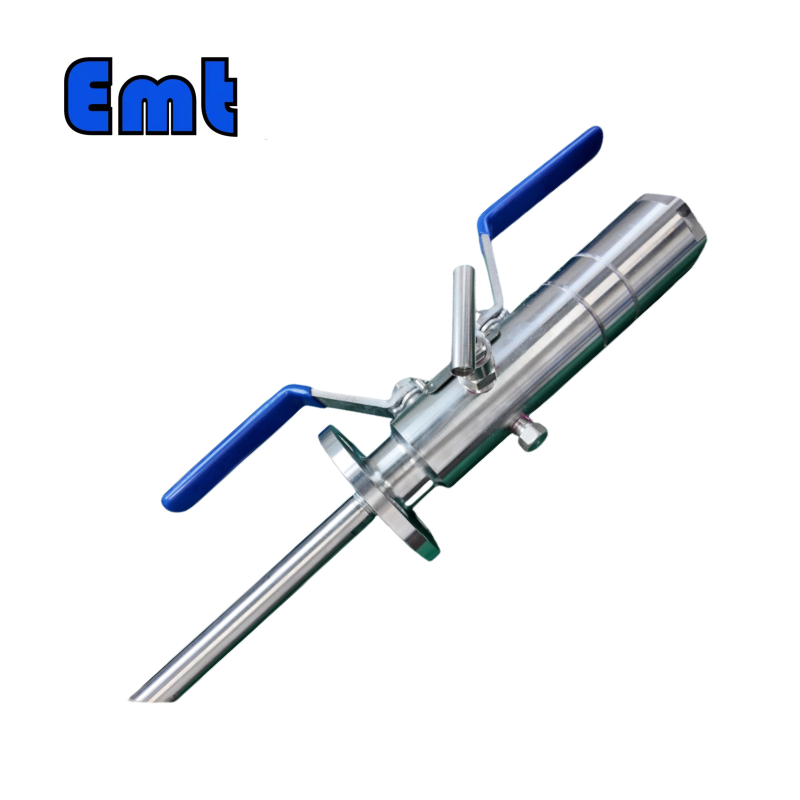
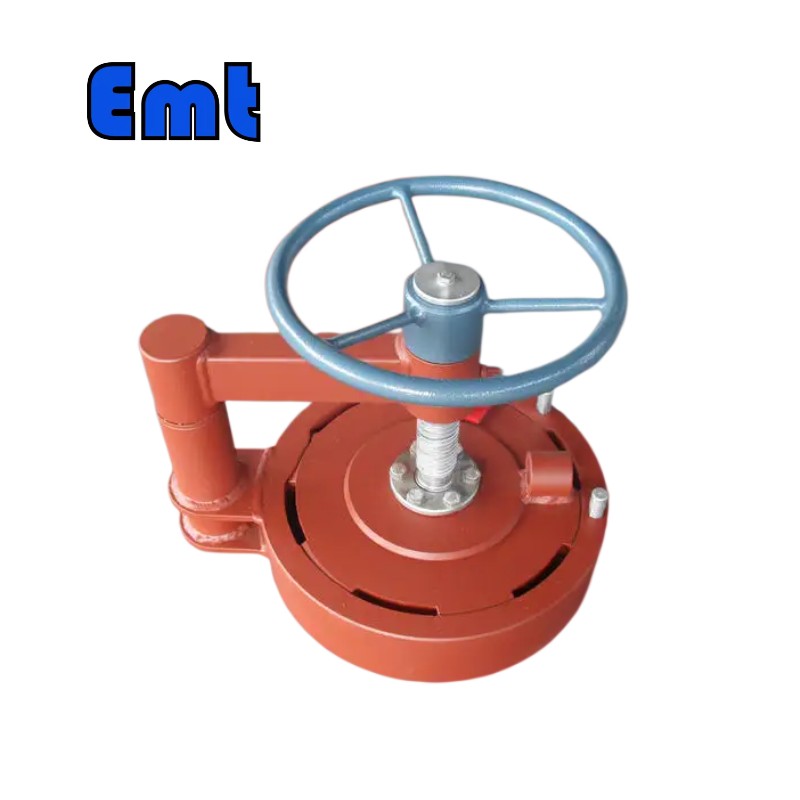
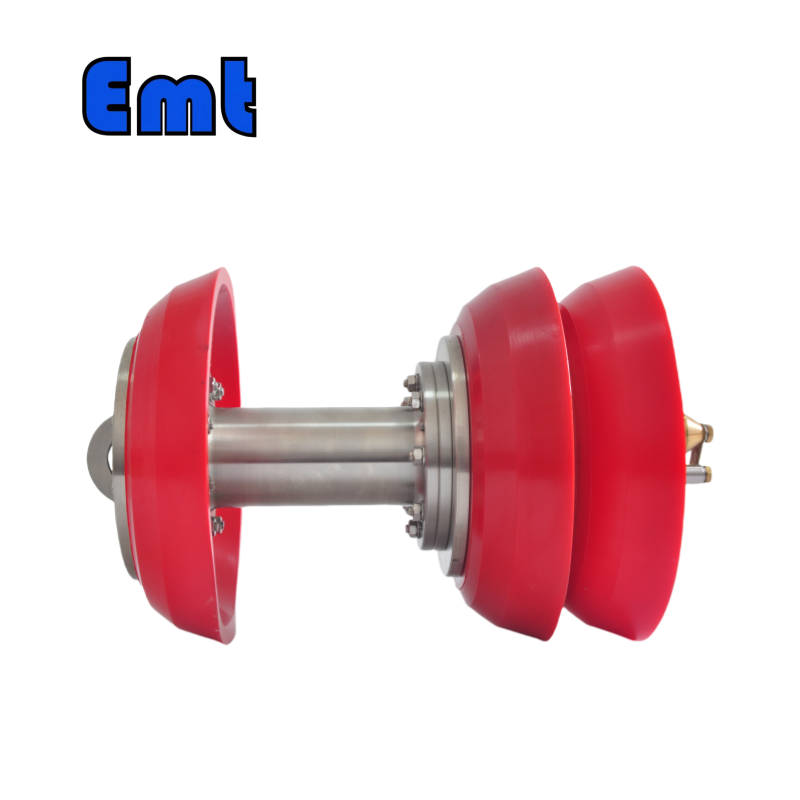
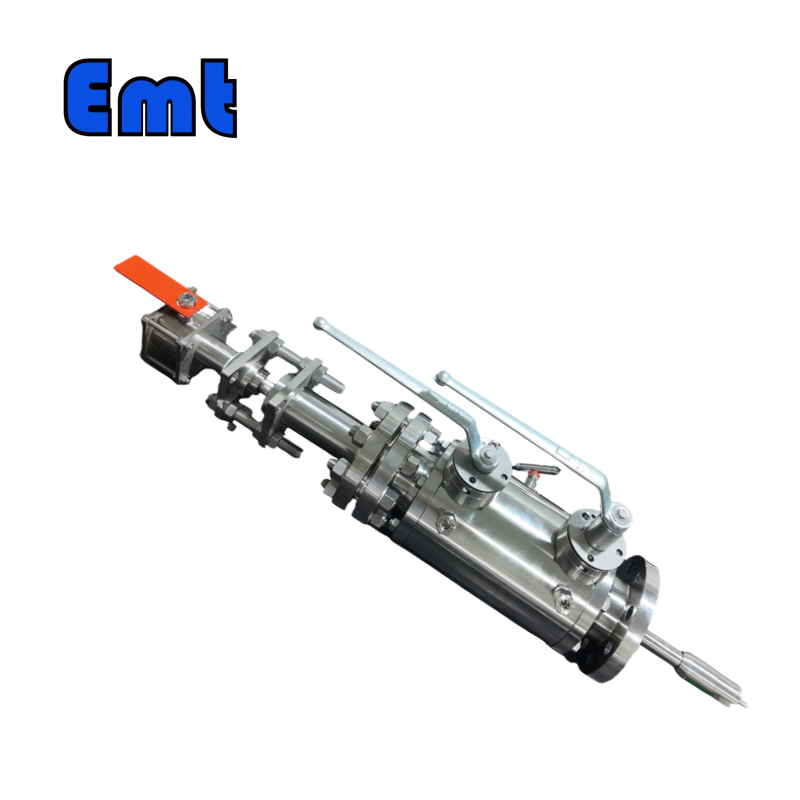
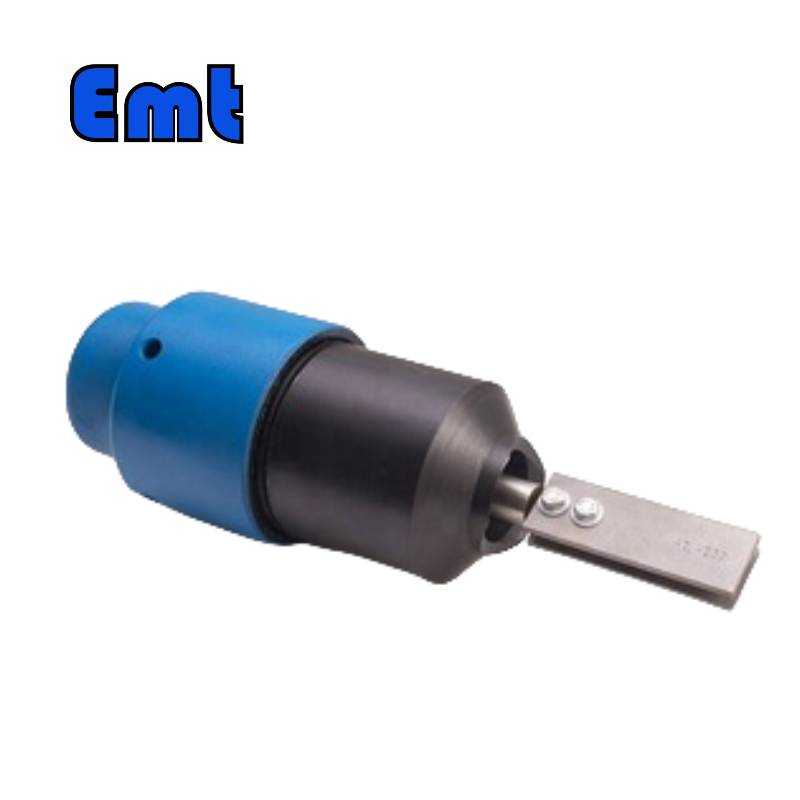


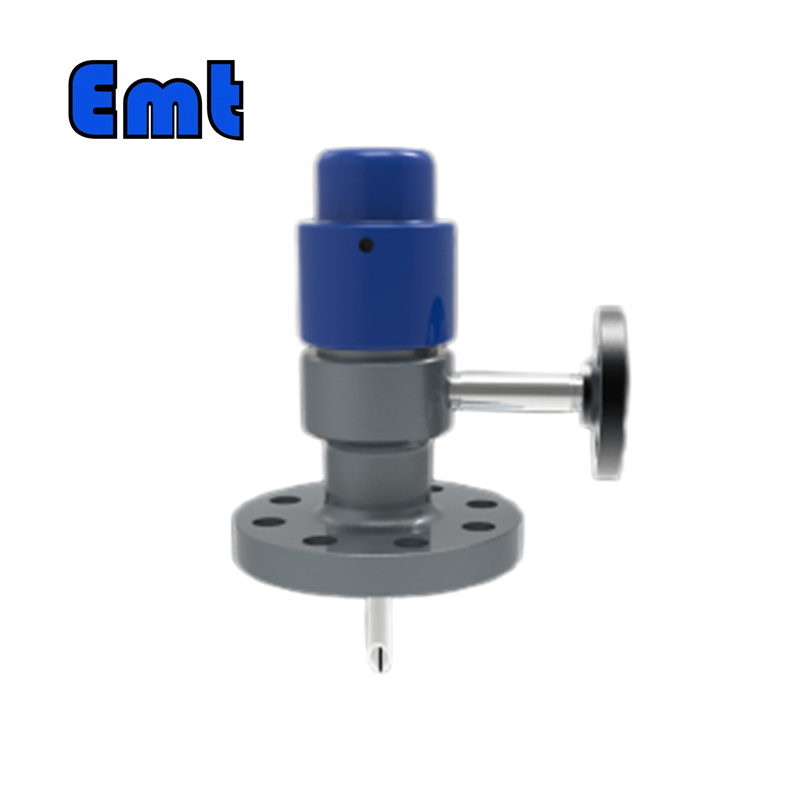
A corrosion coupon is a pre-weighed metal specimen installed in the process stream to record actual metal loss over a defined exposure period, usually 30 to 90 days. After retrieval it is cleaned and weighed, and the mass loss gives a corrosion rate in mils per year. The exposed surface also shows the morphology of the attack, which no electronic sensor can do. EMT supplies flush disc coupons, the holders that carry them, the access fittings they are installed through, and the retrieval tools that recover them under pressure.
How A Corrosion Coupon Works
The measurement is deliberately simple. A coupon is made from the same material as the line, or an alloy with equivalent chemistry, and it is inserted into the flow through a monitoring access fitting. It is left in place for a set exposure period, then removed, cleaned and weighed. The mass difference against the original weight gives the average corrosion rate over that period.
Two things come out of that measurement. The first is a number: an average corrosion rate in mils per year, which tells you whether the corrosion control programme is working. The second is evidence: the exposed surface can be inspected directly, and pitting, crevice attack and other localised forms of corrosion are visible in a way that resistance or polarisation data cannot show.
That second output is why coupons remain in use alongside electronic probes. A probe reports a rate; a coupon shows what the metal actually did.
Corrosion Coupon Specifications
| Parameter | Value | Note |
|---|---|---|
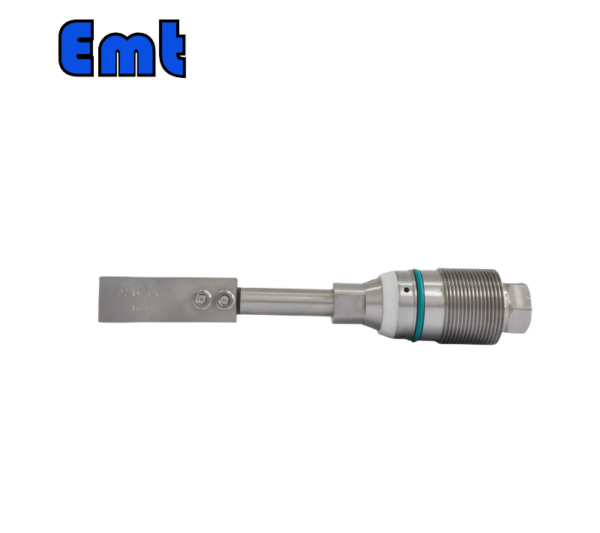
| Product type | Flush disc corrosion coupon | Set level with the pipe wall |
| Mounting position | Upper wall of pipeline | Does not obstruct pigging |
| Fixing method | Insert body | Pushed into the pipeline fitting body |
| Surface treatment | Blast cleaned to SA 2.5 | Typical grit 120 mesh |
| Minimum thickness | Down to 1.6 mm | Thinnest coupon |
| Material | SS316 among available materials | Engraved weight costs more |
| Traceability | Customer-stamped serial number | For tracking each coupon |
| Retrieval | Double-acting hydraulic retrieval tool | Install or retrieve under pressure |
| Custom options | Finer grit, longer holders | Outsourced, extra cost |
| System partners | Chemical injector, chemical sampler, corrosion probe | Complete monitoring system |
Why The Surface Preparation Matters
The blast cleaning to SA 2.5 with 120 mesh grit is not a cosmetic specification. It sets the condition of the coupon surface so that corrosion initiates in a predictable way and the measurement is reproducible against historical data.
A highly polished coupon can resist corrosion longer than the actual pipe wall, which normally carries a rougher mill-scale finish. The coupon would then report a rate lower than the real line, and the whole programme would be calibrated to a surface the pipeline does not have. Standardising the surface preparation is what makes the data comparable year over year, and it is why the material, the heat treatment and the geometry are all specified to match the line.
Flush Mounted For Piggable Lines
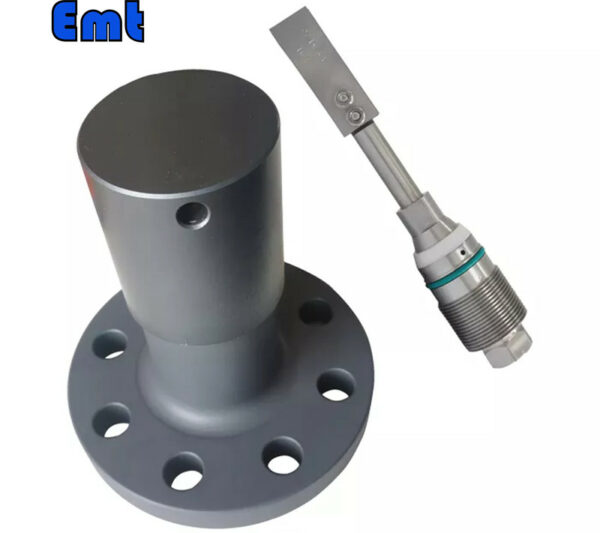
In a piggable pipeline, the monitoring element must not obstruct tool travel. This is the single biggest constraint on coupon installation, and it explains the design of the flush disc coupon.
The coupon is mounted in the upper wall of the pipeline, in a horizontal run, and set level with the pipe wall so that the pig passes over it without interference. The holder pushes the coupon into the body of a monitoring access fitting, which is a branch connection welded into the line. A coupon sitting proud of the wall in a piggable line is a damage risk to both the pig and the coupon, so the flush arrangement is not optional there.
The access fitting is therefore part of the coupon system rather than an accessory. It provides the branch connection, holds the coupon body, and gives the retrieval route for the tool. EMT supplies the fitting, the holder and the coupon as a matched set, with the coupon retrievable under pressure using a double-acting hydraulic retrieval tool.
Exposure Period And How To Read The Result
The industry standard exposure window is 30 to 90 days. This allows the corrosion process to stabilise and representative surface films to form. Short exposures tend to give artificially high mils per year results, because the initial flash corrosion of fresh metal is over-represented in the average. Very long exposures can lose useful data if the coupon becomes heavily encrusted.
Within that window, the mass loss is converted to a corrosion rate. One important check is the ratio of the deepest penetration to the average rate. A pitting factor well above 1 means localised attack is occurring that the average rate does not describe, and that is exactly the kind of information that a probe cannot give you.
Because coupon data only represents the exposure period, corrosion events occurring between retrievals can go undetected. That is the main limitation of the method, and the reason many operators pair coupons with a probe or with regular pigging.
Corrosion Coupon Versus Corrosion Probe
The two methods answer the same question with different tools, and they are used together more often than they are used apart.
| Factor | Corrosion coupon | Corrosion probe |
|---|---|---|
| Monitoring method | Periodic mass loss measurement | Real-time electrical resistance or linear polarization |
| Data availability | After retrieval and laboratory analysis | Instant rate measurement |
| Response time | Weeks to months of exposure | Immediate detection of rate changes |
| Installation | Relatively simple, into the access fitting | More involved, needs electrical connection |
| Cost profile | Low initial, higher labour per retrieval | Higher initial, low ongoing labour |
| Power supply | None required | Required |
| Pitting detection | Direct, by visual inspection | Calculated estimate |
| Best for | Long-term rate, inhibitor effectiveness verification | Real-time monitoring, rapid upset detection |
Coupons are the cost-effective choice for a single isolated point, for remote sites where running wiring is impractical, and for verifying that a chemical injection programme is actually reducing the rate. Probes are the choice where the response time matters, where the line runs continuously, and where a chemical cleaning campaign or an upset could change conditions faster than a retrieval cycle.
Typical Applications
Corrosion coupons are specified for long-term corrosion rate measurement, for verification of corrosion inhibitor effectiveness, and wherever an access fitting already exists in the original pipeline build. They are also the verification method of choice for a chemical injection programme, because an injection rate is an assumption until something measures the result.
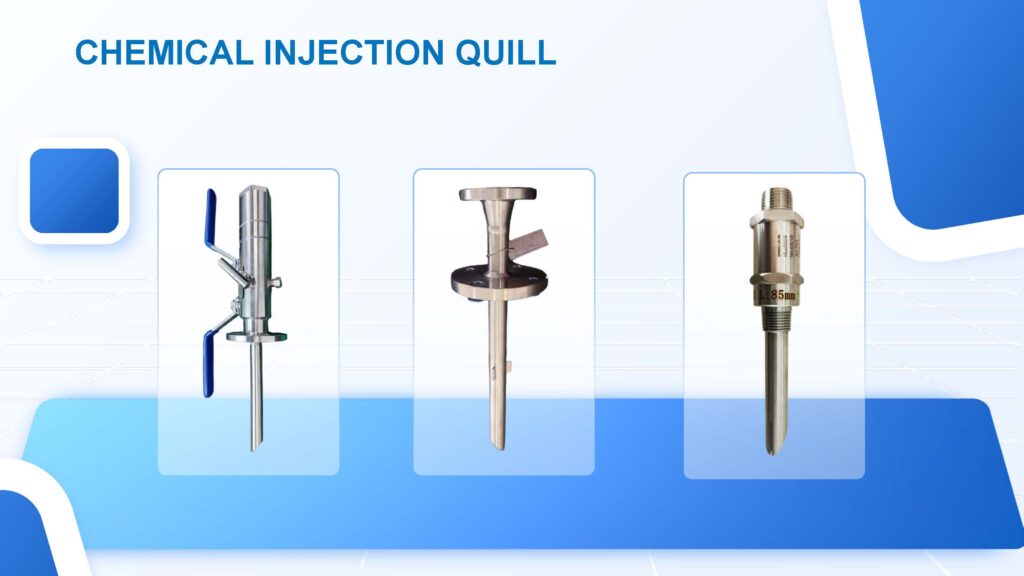
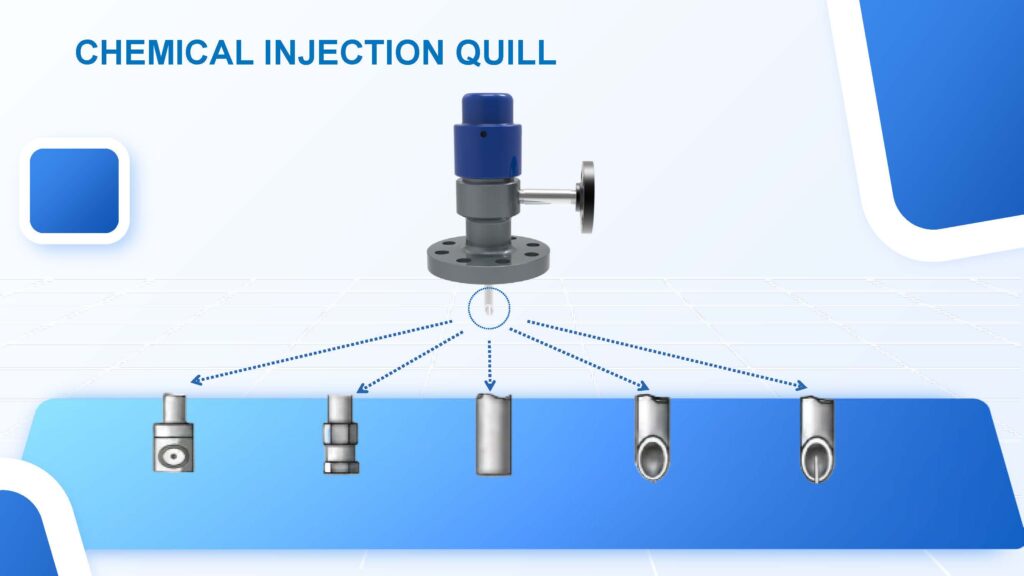
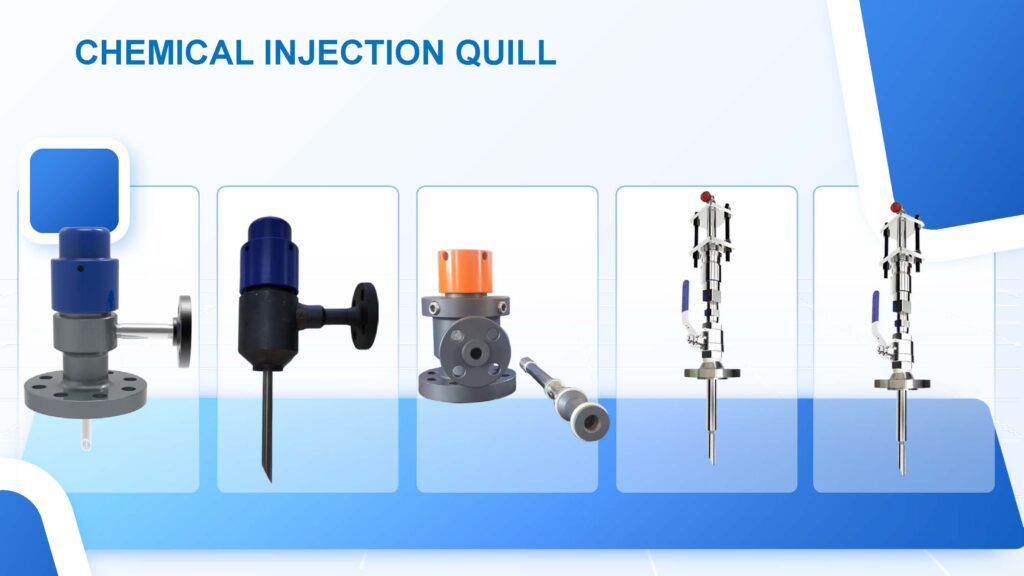
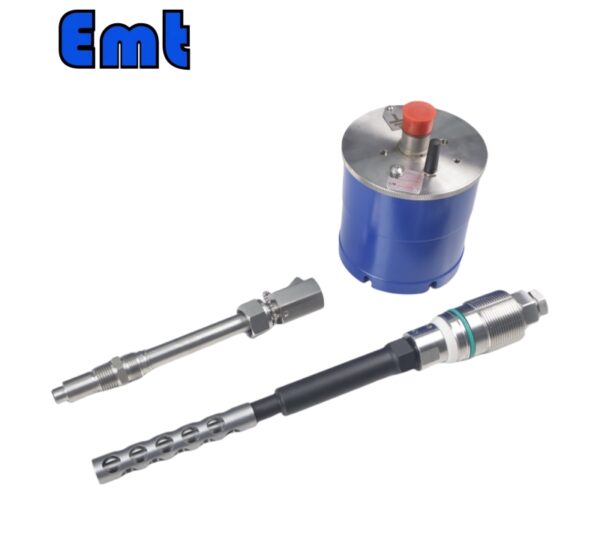
EMT supplies corrosion coupons, coupon holders, monitoring access fittings, corrosion probes and portable data transfer units, together with the chemical injection quills that deliver the inhibitor being verified. That combination is the complete monitoring loop, and EMT supplies it so the whole thing is documented under one order.
FAQ
What is a corrosion coupon?
A pre-weighed metal specimen, made from the same material as the line or an equivalent alloy, installed in the process stream through a monitoring access fitting. After a set exposure period it is retrieved, cleaned and weighed, and the mass loss gives the average corrosion rate in mils per year. The exposed surface also shows the morphology of the attack.
How long should a corrosion coupon stay in the pipeline?
Typically 30 to 90 days. The window lets the corrosion process stabilise and representative surface films form. Shorter exposures tend to overstate the rate because the initial flash corrosion of fresh metal dominates, and long exposures can lose useful data if the coupon becomes heavily encrusted.
Why is the corrosion coupon blast cleaned to SA 2.5?
So the surface behaves predictably and the measurement is comparable with historical data. A polished coupon can resist corrosion longer than the actual mill-scale pipe wall and would report a rate lower than the real line, calibrating the whole programme to a surface the pipeline does not have.
Can corrosion coupons be used in piggable pipelines?
Yes, as a flush-mounted disc set level with the pipe wall in the upper wall of a horizontal run. This arrangement does not obstruct pig travel. A coupon standing proud of the wall in a piggable line would be a damage risk to both the pig and the coupon itself.
How is a corrosion coupon retrieved?
With a double-acting hydraulic retrieval tool, which can install or recover the coupon under pressure. EMT supplies the tool as part of the system, and the coupon holder, the monitoring access fitting and the tool work as a matched set, so the whole monitoring point is documented under one order.
Does a corrosion coupon detect pitting?
Yes, and this is its main technical advantage over an electronic probe. The exposed surface is inspected directly, so pitting and other localised attack are visible. Pitting is difficult to determine from electrical resistance or linear polarization data alone, which is the main reason operators run coupons alongside probes.
Is a corrosion coupon cheaper than a corrosion probe?
On initial cost, yes, and the unit needs no power, no wiring and no calibration. The ongoing picture reverses on labour, because every coupon needs retrieval, cleaning, weighing and laboratory analysis, while probe data collection can be automated. Coupons win for a single isolated point and lose across many points.
What material should the corrosion coupon be?
The same as the line, or an equivalent alloy, so the coupon corrodes the way the pipe does. EMT supplies SS316 among other available materials, and the selection includes engraved weight options for traceability, which add cost. A customer-stamped serial number is available for tracking each individual coupon.
Related EMT products
Related items in the same monitoring package include the corrosion coupon holder, the corrosion monitoring access fitting through which it is installed, the hydraulic retrieval tool that recovers it under pressure, and the chemical injection quills that deliver the inhibitor being verified. EMT supplies these so the complete monitoring loop is documented under one order.
Reviews
There are no reviews yet.