

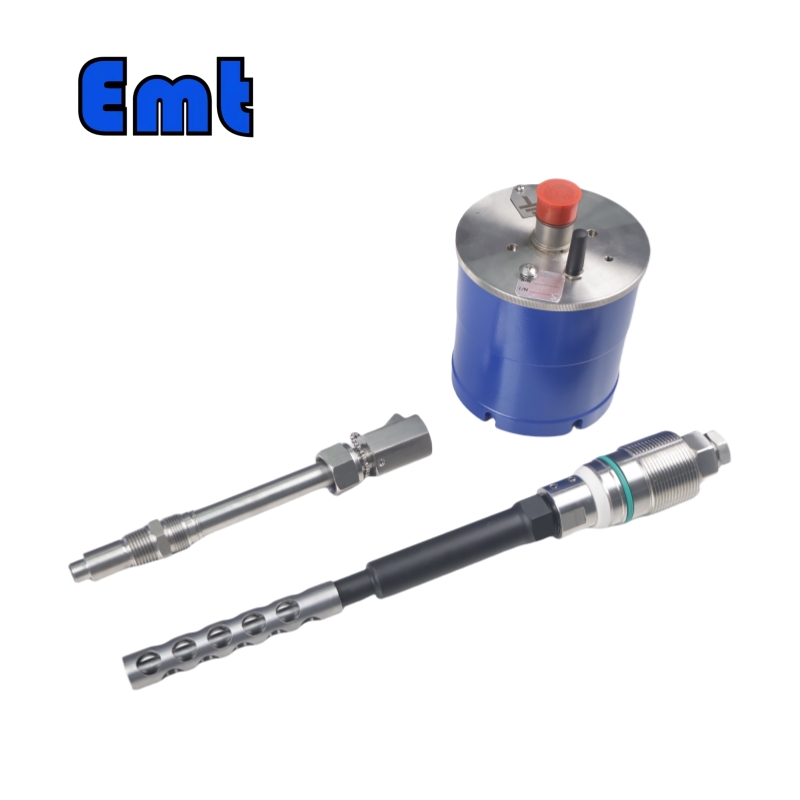
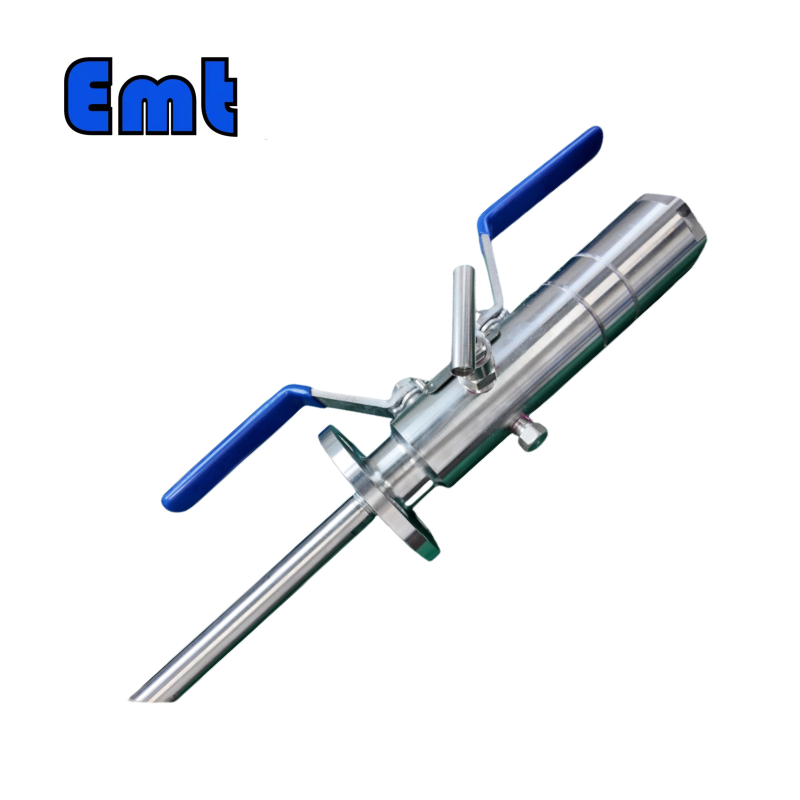
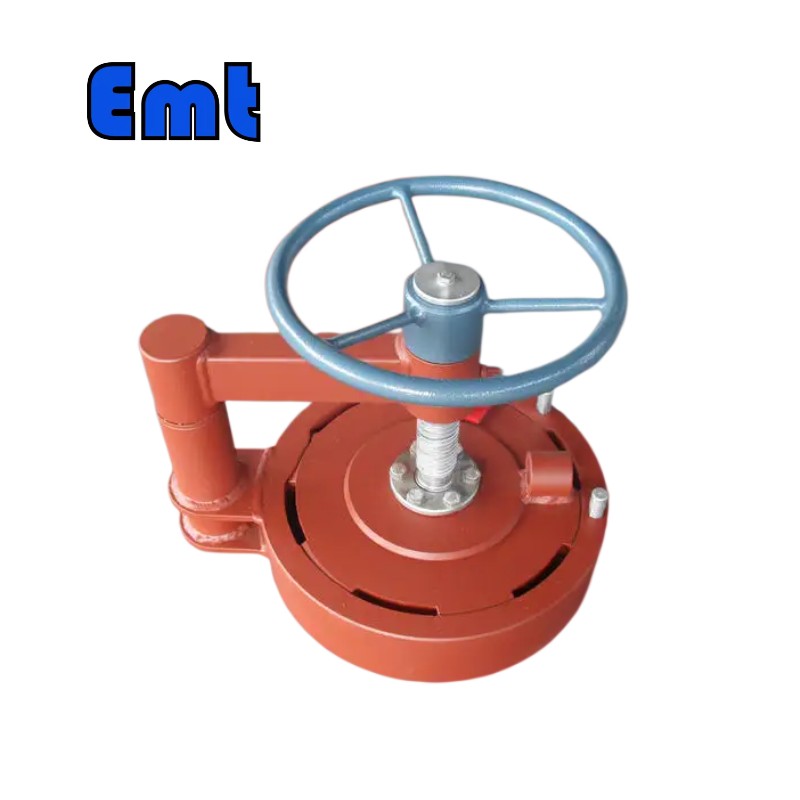
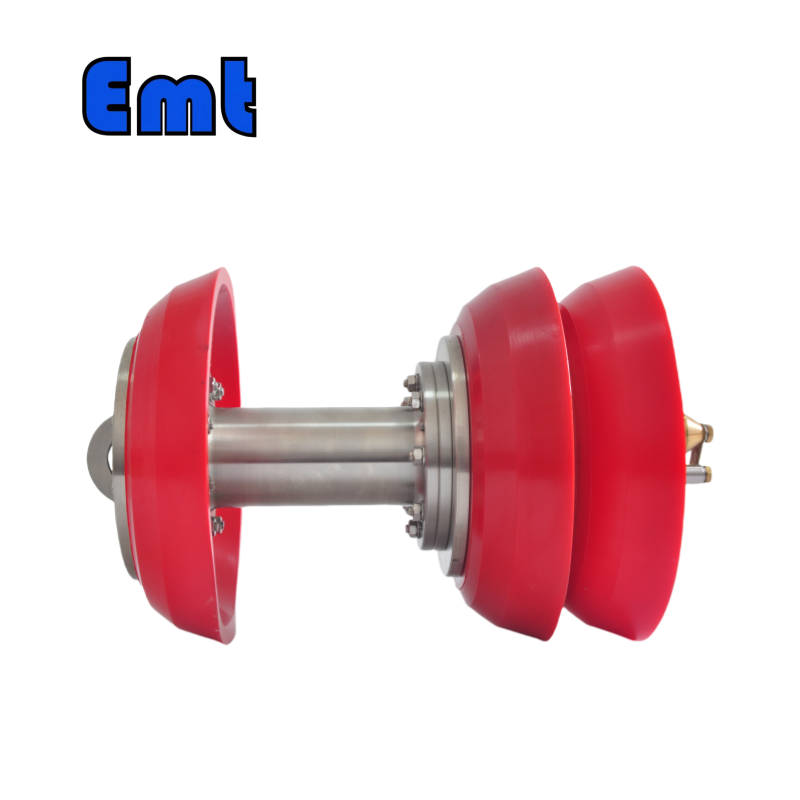
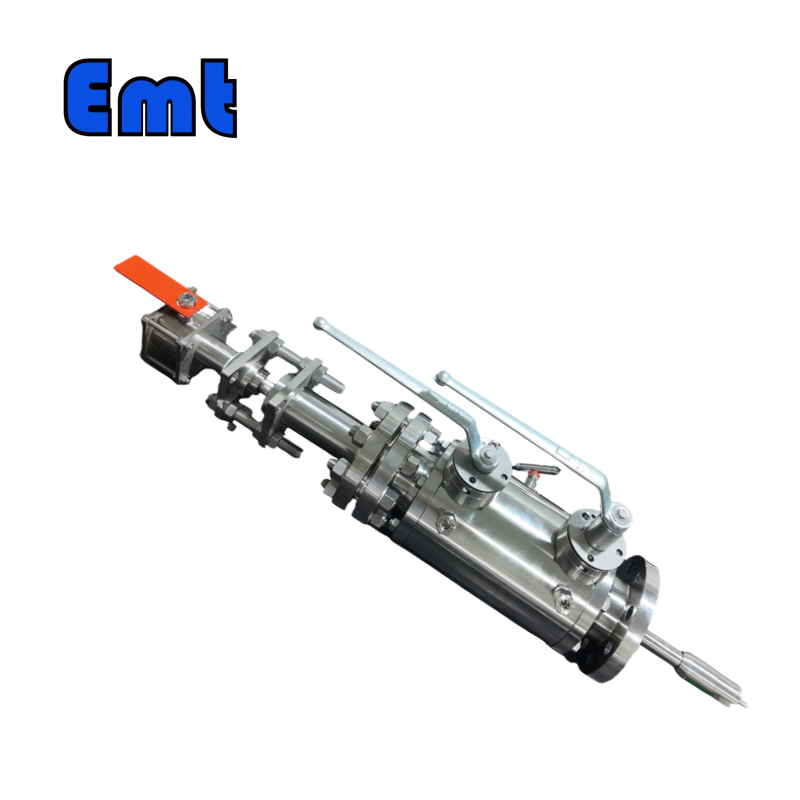
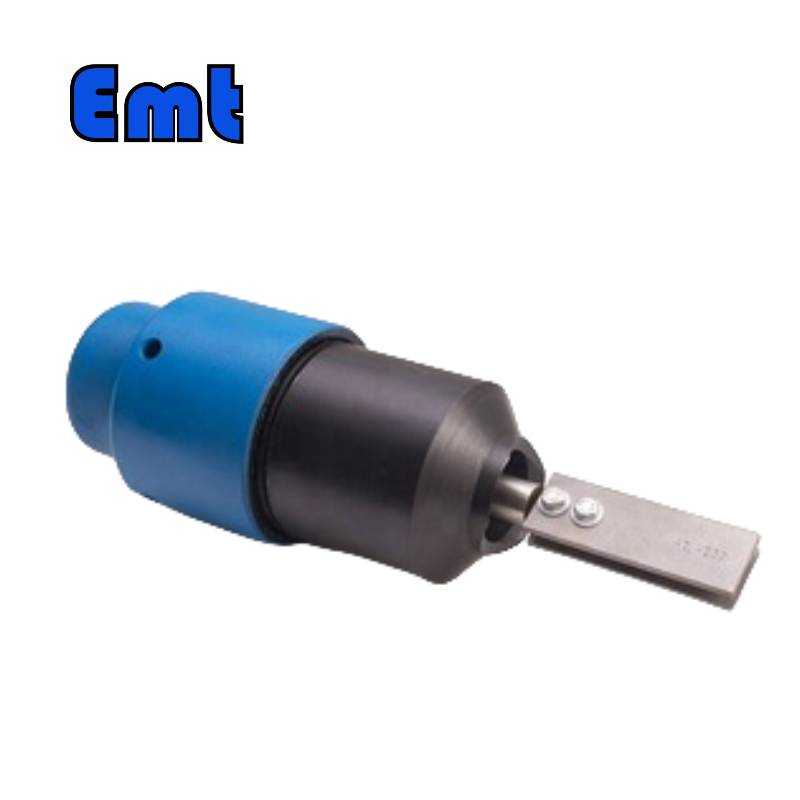


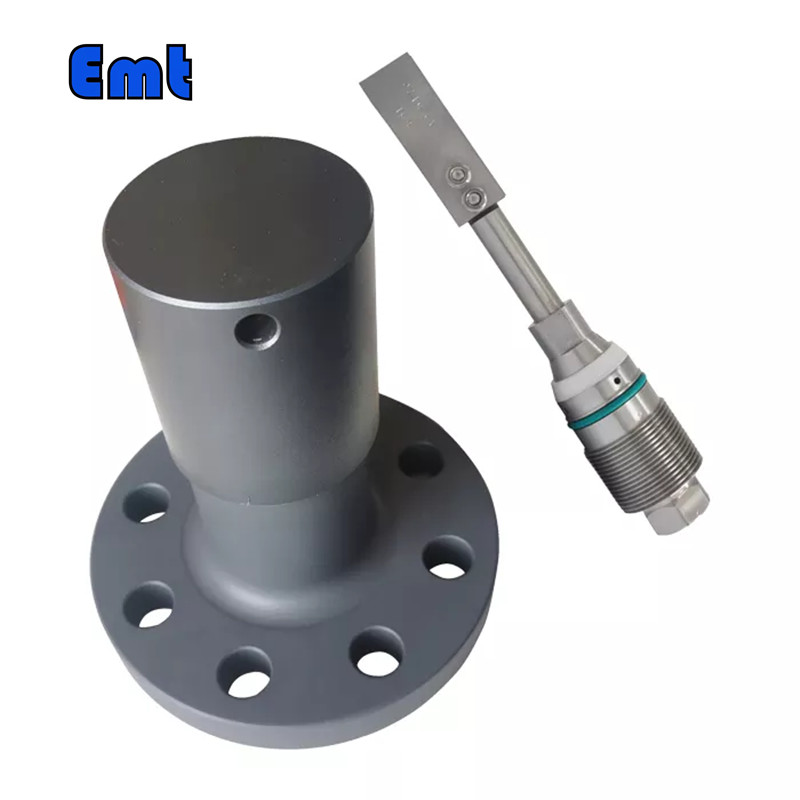
A corrosion coupon gives you a physical, empirical record of metal loss over a 30 to 90 day exposure period. A corrosion probe gives you a continuous, real-time corrosion rate. Coupons cost less and need no power, but they are retrieved periodically and can only be read after removal. Probes are more expensive and more complex, but they show a change in corrosion rate within hours. Most serious programs run both, because the coupon validates the probe.
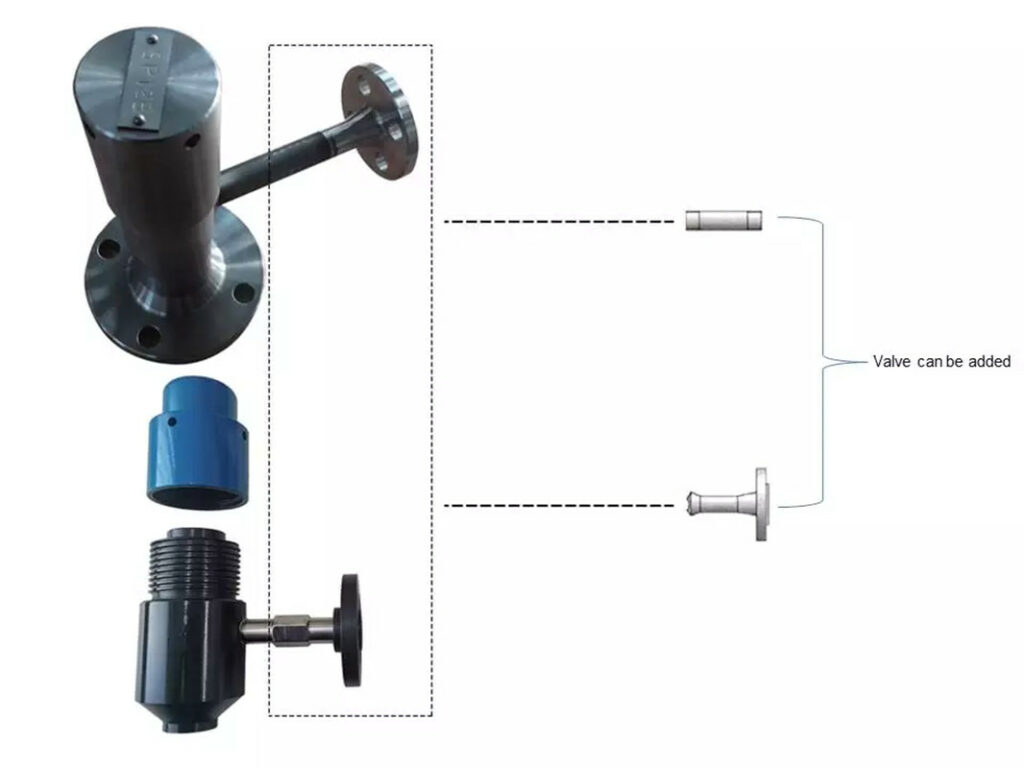
Corrosion Coupon vs Corrosion Probe: What Each Measures
Corrosion coupon vs corrosion probe is a question that comes up on almost every pipeline integrity review, and the two answers support different decisions. Both methods answer the same question, how fast is this pipeline corroding, but they measure it in fundamentally different ways. The distinction matters because the data they produce is not interchangeable, and each answers a different operational question.
The coupon is a pre-weighed metal specimen, made from the same material or an equivalent alloy to the line, installed in the process stream through a monitoring access fitting. After a defined exposure period, typically 30, 60 or 90 days, it is retrieved and weighed. The mass loss gives an average corrosion rate in mils per year, and the exposed surface shows the morphology of the attack.
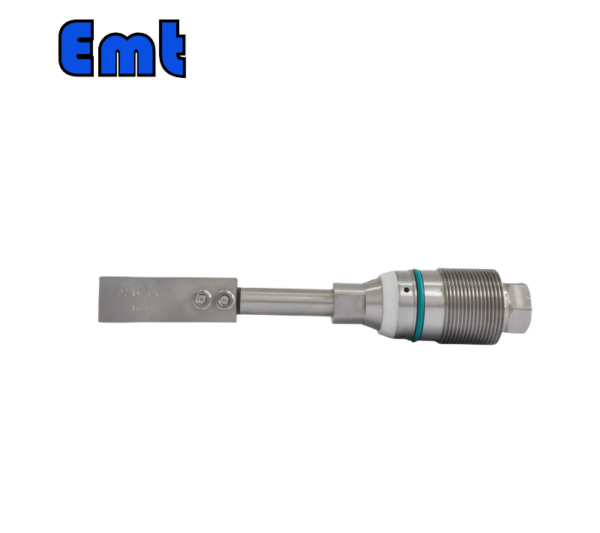
A corrosion probe is an instrumented element exposed to the process. It measures either electrical resistance (ER), where metal loss changes the resistance of a sensing element, or linear polarization resistance (LPR). Both produce a live corrosion rate reading without any retrieval step.
Side By Side Comparison
| Factor | Corrosion coupon | Corrosion probe |
|---|---|---|
| Monitoring method | Periodic mass loss measurement after exposure | Real-time electrical resistance or linear polarization |
| Data availability | Requires retrieval and laboratory analysis | Instant corrosion rate measurement |
| Response time | Weeks to months of exposure before data exists | Immediate detection of rate changes |
| Installation | Relatively simple, inserted into the access fitting | More involved, needs electrical connection to monitoring equipment |
| Cost profile | Low initial cost, higher labour cost per retrieval | Higher initial cost, low ongoing retrieval cost |
| Maintenance | Little to no maintenance until retrieval | Periodic inspection and calibration of the element |
| Power supply | None required | Required, hardwired or battery |
| Pitting detection | Direct, by visual inspection of the exposed surface | Calculated estimate |
| Best for | Long-term rate assessment, inhibitor effectiveness verification | Real-time monitoring, rapid detection of upsets |
Where The Coupon Wins
Cost and simplicity are the coupon’s real advantages. There are no electronic components in the process stream, no wiring to run into a hazardous area, and no calibration to maintain. That makes coupons the practical choice for remote locations, for lines where the access fitting is already installed as part of the original pipeline build, and for any installation where bringing in instrumentation would be disproportionate to the risk.
The coupon is also the benchmark. Mass loss analysis is a direct physical measurement, so it is unaffected by fluid conductivity changes or electromagnetic interference that can skew an electronic reading. When a probe reports a corrosion spike, the coupon retrieved at the end of the exposure period is the final proof of what actually happened to the metal.
Getting the corrosion coupon vs corrosion probe decision right starts with the practical constraints on each side. Two practical constraints shape coupon installation. The coupon holder fits a branch connection, typically 1/2 inch or 3/4 inch NPT, into the access fitting, and the coupon sits in the upper wall of the pipeline in a horizontal run so it stays in the flow stream without obstructing pig travel. EMT supplies flush disc coupons with a minimum thickness down to 1.6 mm, blast cleaned to SA 2.5, with a customer-stamped serial number for traceability.
Where The Probe Wins
The corrosion coupon vs corrosion probe comparison is decided in the field by three factors: timing, piggability and cost. The probe wins on timing and piggability, the coupon wins on cost.
The probe’s advantage is not accuracy in the laboratory sense, it is timing. Probes detect a change in corrosion conditions as it happens, which is what you need when the corrosive medium, the process fluid or the operating conditions can shift quickly. Acid cleaning campaigns, oxygen breakthrough events and batch changes in a multi-product line are exactly the situations where a 30-day average tells you nothing useful.
The second decisive factor is piggability. In a piggable pipeline, the monitoring element must not obstruct tool travel. Flush-mounted probes are installed level with the pipe inner wall for this reason, with probe tip protrusion kept to 1.5 mm or less from the pipe ID. A coupon sitting proud of the wall in a piggable line is a damage risk to both the pig and the coupon, which is why the coupon solution in piggable lines is a flush-mounted disc in a holder, installed in the upper wall so it does not obstruct the pig run.
Probe specification is also more demanding in one respect: the element must be electrically classified for the area classification, and the element material must be compatible with the process fluid. ER probes additionally require temperature compensation algorithms, and probes can degrade over time and need periodic replacement.
The Hybrid Approach Is Usually The Right Answer
The two methods complement each other rather than compete. A probe gives you the instant signal that corrosion conditions have moved. A coupon gives you the long-term physical record of metal loss and the visible evidence of pitting, which raw probe data cannot show. Running both, with the coupon as the calibration reference for the electronic trend, is the standard practice on lines where the consequence of a missed corrosion event is high.
There is a third option worth knowing: ultrasonic thickness monitoring at fixed stations measures wall thickness directly with no process interface component at all. It avoids coupon and probe retrieval logistics entirely, and its minimum detectable corrosion rate is around 0.1 mpy. The trade-off is capital cost and the need for access flanges or pre-installed monitoring stations.
Selection Criteria In Practice
This corrosion coupon vs corrosion probe selection table is the practical summary most engineers need. Use it as a decision framework rather than a general preference.
| Factor | Corrosion coupon | Corrosion probe |
|---|---|---|
| Piggable pipeline | Use flush-mounted disc in upper wall | Flush-mounted probe, protrusion 1.5 mm max |
| Non-piggable line | Acceptable with access | Acceptable, no pig interference to consider |
| Real-time monitoring needed | Not available | Required |
| Transient corrosion events | Poor detection | Detected immediately |
| Remote site, wiring impractical | Recommended | Requires power and signal routing |
One point deserves emphasis for anyone comparing the two: in gas lines, corrosion chemicals tend to accumulate at liquid pooling locations such as sags and rarely reach remote corrosion cells, so chemical effectiveness in gas service is questionable. Regular pigging programmes demonstrably outperform inhibition-only programmes in liquid service, because pigging removes the liquid accumulation before corrosive conditions develop. Where a monitoring method has to be chosen, the line’s piggability and the medium being carried usually decide it before any other factor.
Typical Applications
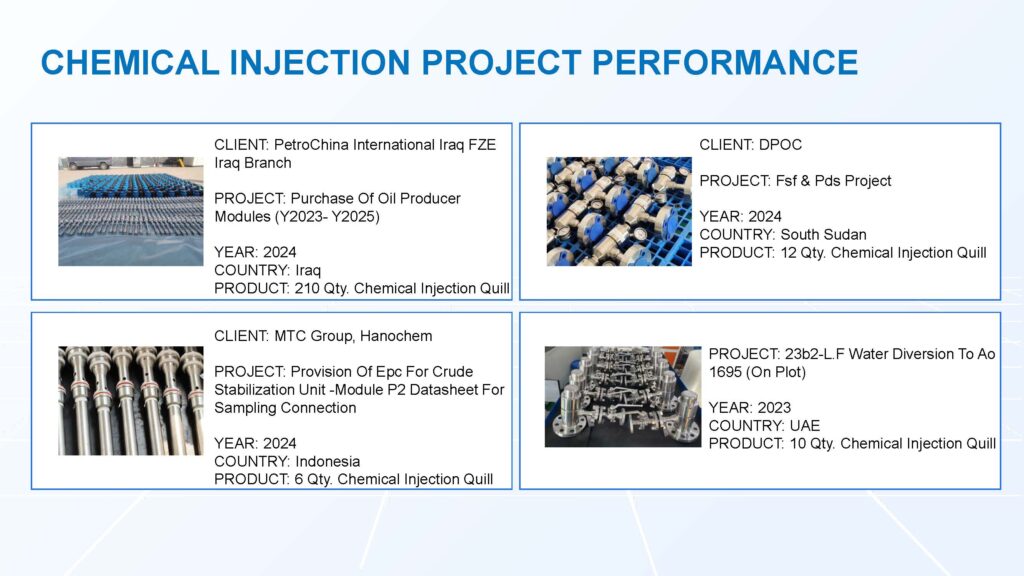
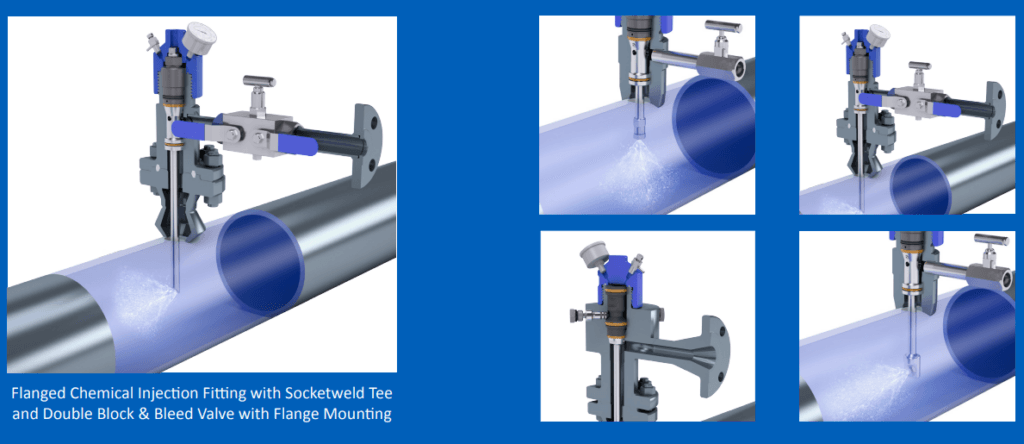
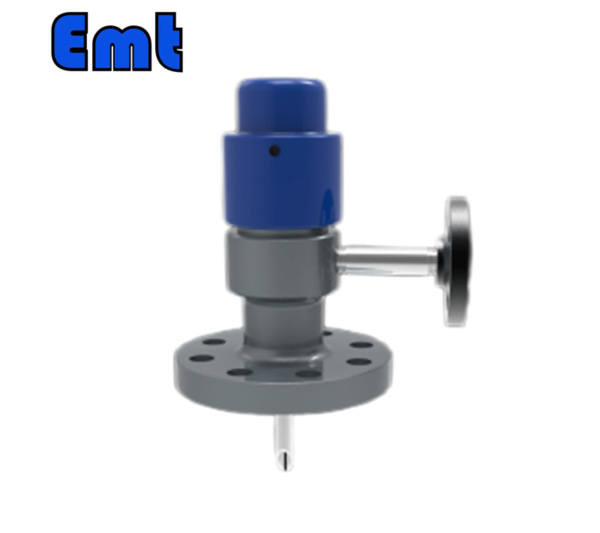
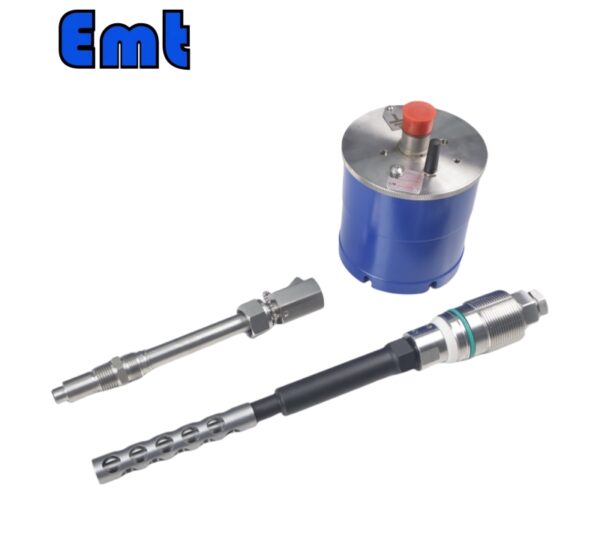
In the corrosion coupon vs corrosion probe decision, coupons are specified for long-term corrosion rate measurement, inhibitor effectiveness verification, and where access fitting installation already exists. Probes are specified for high-consequence lines, continuous operation with no shutdown window, chemical cleaning campaigns, and any piggable line where obstruction of tool travel must be avoided. EMT supplies corrosion coupons, coupon holders, monitoring access fittings, corrosion probes and portable data transfer units, together with the chemical injection quills that form part of the same monitoring loop. Related EMT products include the corrosion coupon range, the corrosion coupon holder, the monitoring access fitting, standard corrosion probes and the chemical injection quills that deliver the inhibitor being verified.
FAQ
What is the main difference between a corrosion coupon and a corrosion probe?
A coupon is a pre-weighed metal specimen measured by mass loss after a set exposure period, so it gives an average rate plus visual evidence of the attack. A corrosion probe is an instrumented element measuring electrical resistance or linear polarization continuously, so it gives a live rate with no retrieval step.
Can corrosion probes be used in pigged pipelines?
Yes, provided they are flush-mounted. The probe tip should protrude no more than about 1.5 mm from the pipe internal diameter so it does not interfere with inline inspection tools or pig travel. A protruding probe is a damage risk in a piggable line.
How long should a corrosion coupon stay in the pipeline?
Typically 30 to 90 days. This window lets the corrosion process stabilise and representative surface films form. Shorter exposures tend to give artificially high mils-per-year results because the initial flash corrosion of fresh metal is over-represented, and very long exposures can lose useful data if the coupon becomes heavily encrusted.
Which method detects pitting better?
The coupon, because the exposed surface can be inspected directly and pitting is visible. Pitting is difficult to determine from electrical resistance or linear polarization data alone. Which is the main technical reason operators run coupons alongside probes.
Is a coupon cheaper than a corrosion probe?
Yes on initial cost, and the unit carries no electronics, no power and no wiring. The ongoing picture reverses in labour terms, because each coupon needs retrieval, cleaning, weighing and laboratory analysis, whereas probe data collection can be automated. For a single isolated monitoring point, coupons are usually more economical; for many points or where rapid response matters, probes pay back.
Do corrosion coupons work in gas pipelines?
They can be installed, but interpretation needs care. In gas service the corrosion rate is usually driven by liquid accumulation at low points such as sags, and a coupon at a monitored point may not represent the worst case elsewhere in the line. Chemical inhibition effectiveness in gas lines is also generally limited because chemicals concentrate at pooling locations rather than reaching remote corrosion cells.
Related EMT products
Related items in the same monitoring package include the corrosion coupon holder, the corrosion monitoring access fitting through which both coupons and probes are installed, the portable data transfer unit for probe data, and the chemical injection quill that delivers the inhibitor being verified. EMT supplies these so the whole monitoring loop is documented under one order.
Reviews
There are no reviews yet.