



What Is Corrosion Monitoring And Why Does Every Pipeline Need It?
Corrosion monitoring is the measurement of how fast metal is being destroyed inside a pipeline or vessel. The rate is not a constant. It changes with the medium, the temperature, the flow condition, the presence of water, the effectiveness of the chemical treatment and the season. Any of those can change without anyone noticing, and the number that matters is the rate as it is now, not the rate as it was when the design was done.
There is a second reason to measure rather than assume. A corrosion control programme, whether it is chemical injection, cathodic protection or a combination, is a set of assumptions about what is happening inside the pipe. Those assumptions are only worth something if something verifies them. Without measurement, a failed injection programme runs unnoticed for months, and the first sign of it is a leak.
What Are The Corrosion Monitoring Methods?
Four methods cover almost everything you will meet.
| Method | What it measures | Data timing | Typical cost profile |
|---|---|---|---|
| Corrosion coupon | Direct metal loss by mass, plus visible pitting | After 30 to 90 days exposure | Low per unit, high in labour |
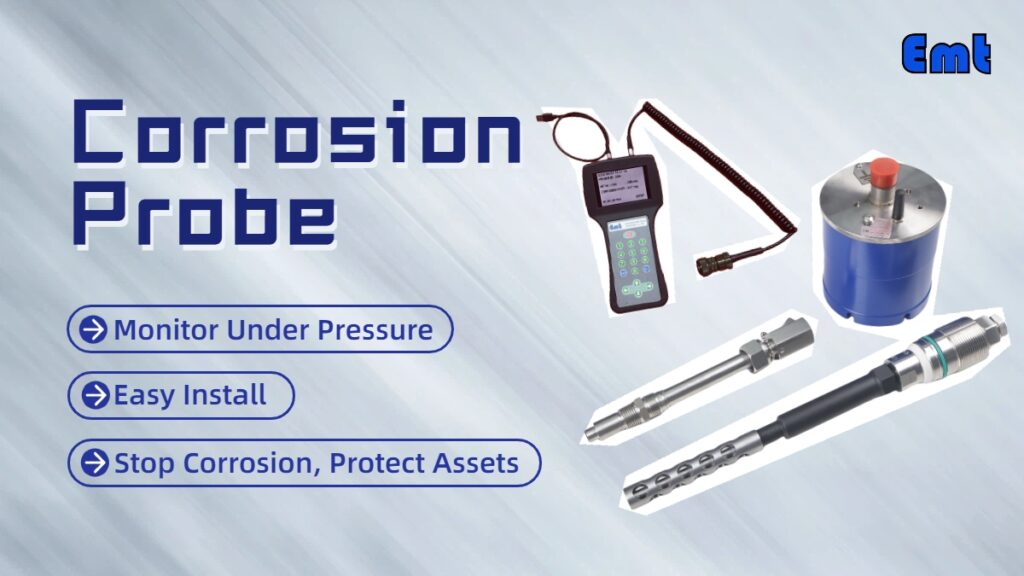
| ER probe | Direct metal loss via element resistance change | Continuous | High initial, low ongoing |
| LPR probe | Corrosion rate inferred from polarisation response | Continuous | High initial, low ongoing |
| UT thickness | Wall thickness at a fixed station | Periodic survey | High equipment cost, no process interface |
Ultrasonic thickness measurement is worth including in the list even though it sits outside the instrument category. It measures the wall directly, with no process interface component at all, and can detect a minimum corrosion rate of roughly 0.1 mpy. What it costs is access flanges or pre-installed monitoring stations, plus the fact that it only sees the pipe at that one location.
Which Method Should You Use?
The choice comes down to three questions, in this order.
Do you need the answer now?
If conditions can change faster than a retrieval cycle, you need a live instrument. Acid cleaning campaigns, oxygen breakthrough, batch changeover in a multi-product line: these are situations where a 30-day average tells you nothing useful. ER and LPR probes answer in hours. A coupon cannot.
Is the line piggable?
This is the constraint that catches people out. A monitoring element must not obstruct pig travel. In a piggable line, a flush-mounted probe with tip protrusion kept to 1.5 mm or less from the pipe internal diameter, or a flush disc coupon set level with the wall in the upper pipe wall, is the only arrangement that works. A coupon standing proud of the wall in a piggable line is a damage risk to both the coupon and the pig.
Can you install a probe at all?
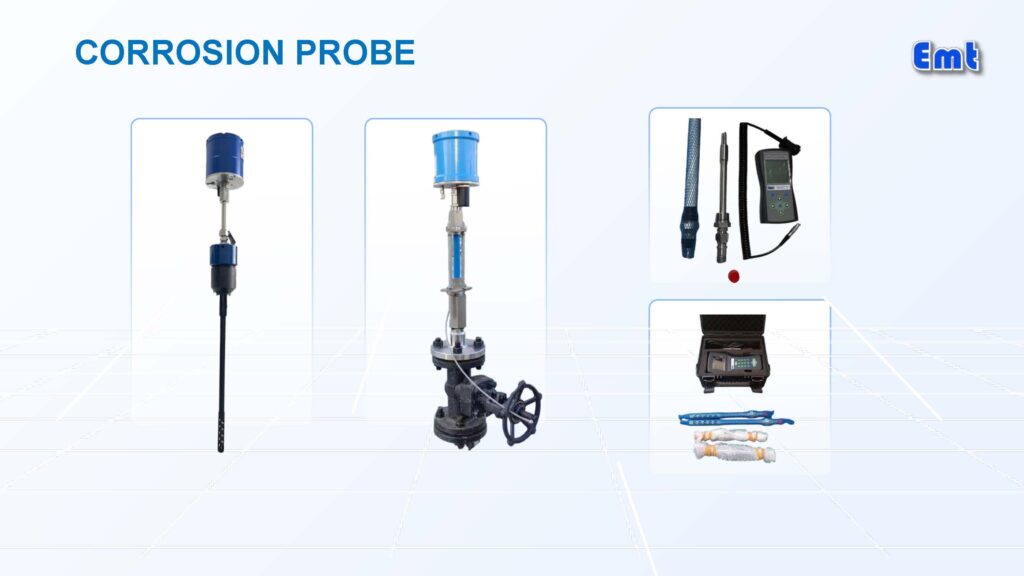
Sometimes the access is not there. Probes need an access fitting, an electrical connection, power and a signal route. In a confined location, or on a small-bore line where running wiring is disproportionate, a coupon with a retrieval tool is often the only realistic option.
What Each Method Costs You In Practice
It is easy to compare purchase prices and get the wrong answer, because the ongoing cost is where the difference shows up.
| Factor | Coupon | ER / LPR probe |
|---|---|---|
| Unit cost | Low | High |
| Power and wiring | None | Required |
| Cost per reading | Retrieval, cleaning, weighing, laboratory analysis | Data collection, can be automated |
| Calibration effort | None, gravimetric | Periodic element inspection and verification |
| Detects pitting | Directly, by visual inspection | Calculated estimate |
| Best value at | A single isolated point | Many points, or one critical point |
ER and LPR probes cost several times more than a coupon, and they need power, signal routing and periodic attention. On a single isolated point in a remote location, the coupon still wins. Across a network of points, or where a single rate change matters a great deal, the probe pays back quickly.
Why Running Two Methods Works Better Than Either Alone
Most mature programmes run a coupon and a probe at the same location, and they are not redundant.
The probe says something changed. The coupon shows what actually happened to the metal. An LPR or ER reading that steps up could be real corrosion, or it could be a shift in fluid conductivity, a failed reference electrode, or conductive scale on the element. A coupon retrieved at the end of the exposure period settles it, because a coupon cannot be fooled by electronics. It can show pitting that neither resistance nor polarisation data would reveal.
Run the other way, the coupon calibrates the electronics. If the probe and the coupon disagree over a month, one of them is drifting, and the pair tells you which.
What Most People Get Wrong About Corrosion Monitoring
Putting the coupon in the wrong place. A coupon sitting in a dead leg, or in a low-velocity zone away from the flow stream, reports a rate that does not represent the line. In a horizontal run it belongs in the upper pipe wall, where it stays in the flow and does not obstruct pigging.
Not giving the probe time to settle. A newly installed probe has a fresh surface that does not behave like the aged pipe wall. Readings from the first days to weeks are not representative.
Reading a coupon outside the 30 to 90 day window. Short exposures overstate the rate, because the initial flash corrosion of fresh metal dominates the average. Long exposures lose data if the coupon becomes heavily encrusted.
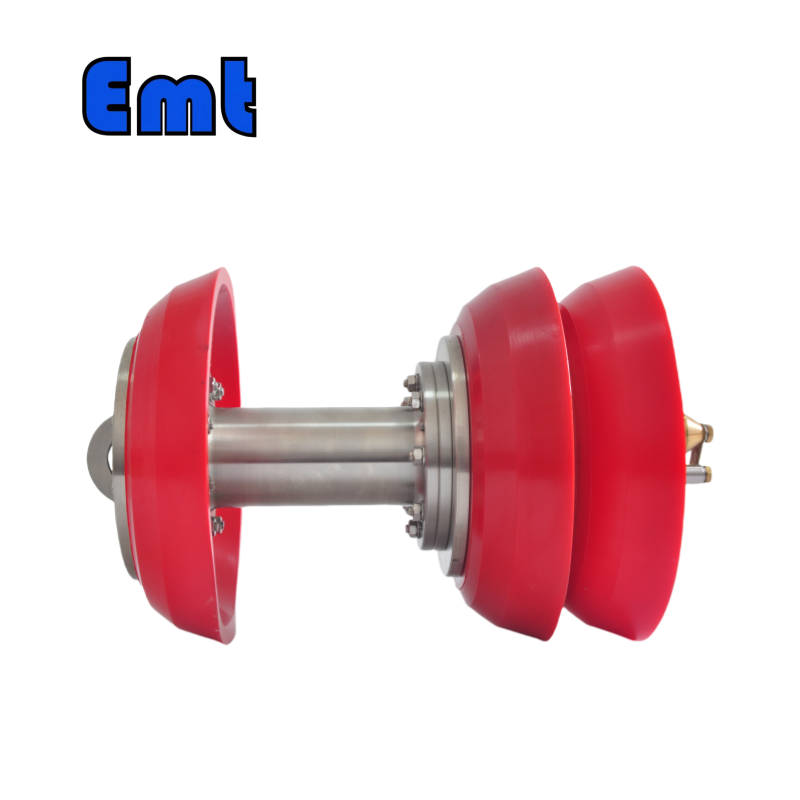
Believing inhibition is enough without pigging. Historical data shows a large share of corrosion failures occur on lines with cathodic protection or chemical injection that were not regularly pigged. Pigging removes the liquid accumulation where corrosion starts. Regular pigging programmes outperform inhibition-only programmes in liquid service.
Treating gas service like liquid service. Chemical inhibitors in low-pressure gas lines concentrate at liquid pooling locations such as sags, and rarely reach remote corrosion cells. Effectiveness in gas service is genuinely questionable, and monitoring at a single point will not reveal it.
How To Build A Monitoring Programme
- Identify where the corrosion actually is. Corrosion concentrates at low points, at internal risers, behind fittings and in dead legs. Put the monitoring points there, not at convenient locations.
- Choose a method per point. Live probe where the rate changes fast or the line cannot be shut. Coupon where access is restricted or the point count is small.
- Install flush where the line is piggable. Probe tip protrusion 1.5 mm maximum from the pipe internal diameter. Coupon level with the wall in the upper pipe wall.
- Set the exposure or sampling interval deliberately. 30 to 90 days for coupons. Continuous for probes, with the verification cycle set against the coupon retrieval.
- Compare against the operating conditions. A rate change means something in the process changed. Log it against temperature, flow rate, batch changes and injection rate.
- Let the coupon check the electronics. At the end of each exposure period, compare the mass loss against the probe’s integrated reading. This is the step most programmes skip, and it is the one that catches a failing probe.
Typical Applications
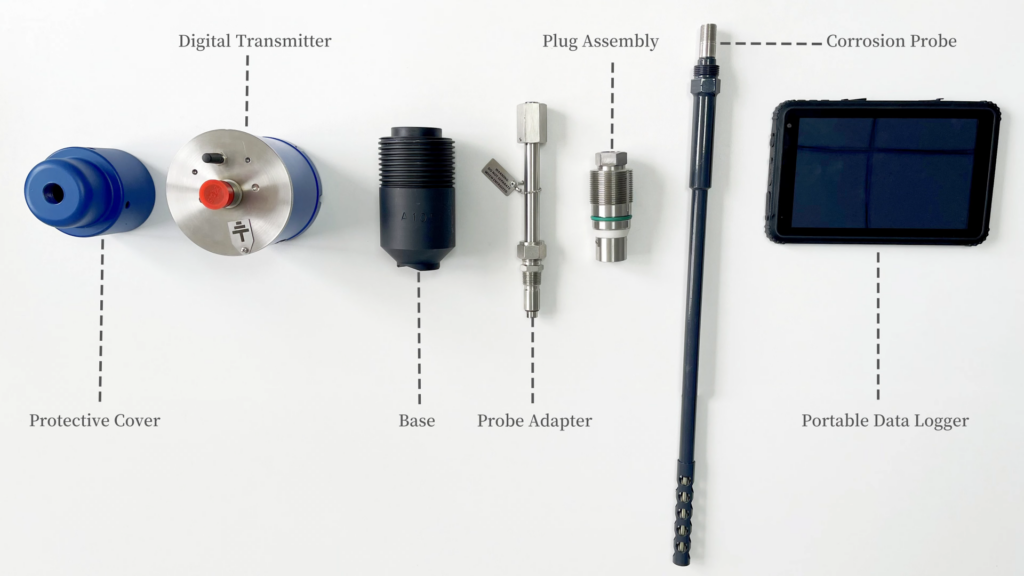
Corrosion monitoring programmes are run in crude oil and product pipelines, gas transmission and gathering systems, refineries, petrochemical plants, offshore platforms, chemical plants, district heating and municipal water systems. In each case the combination is similar: a probe for the live rate, a coupon for the physical check, and a retrieval tool to get the coupon out without shutting the line.
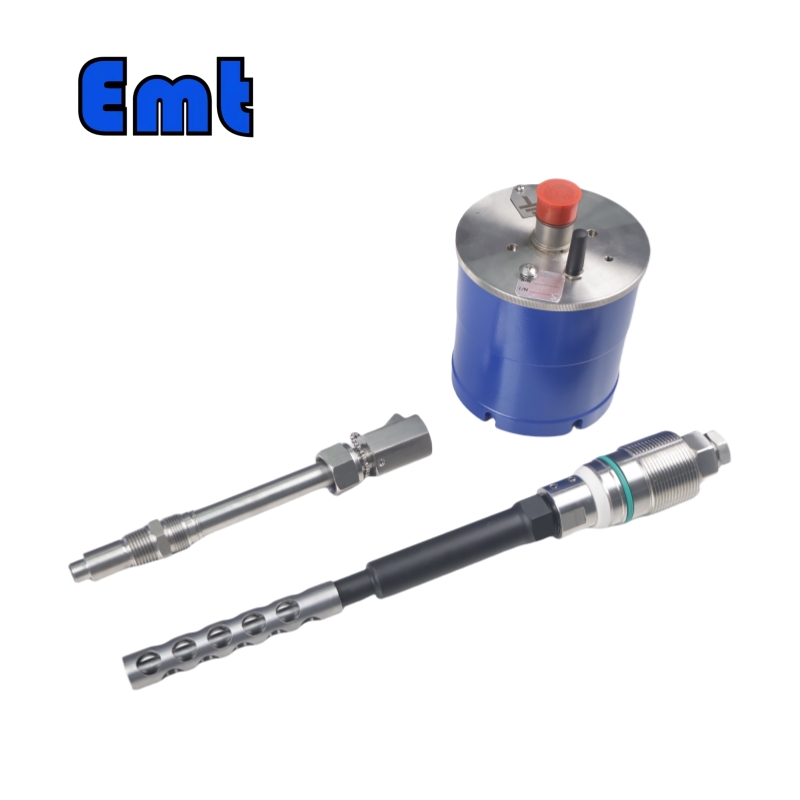
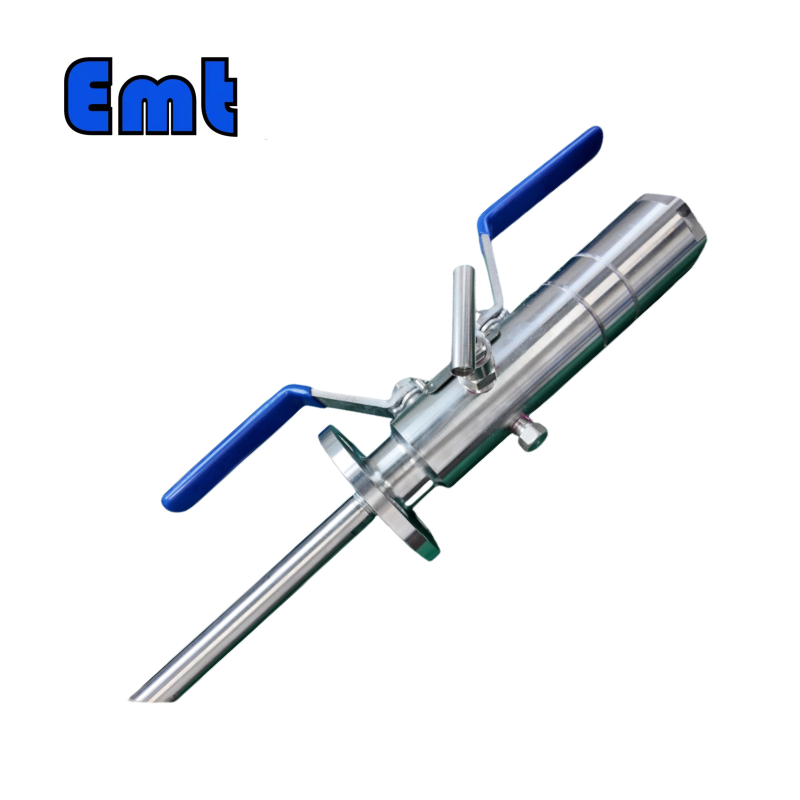
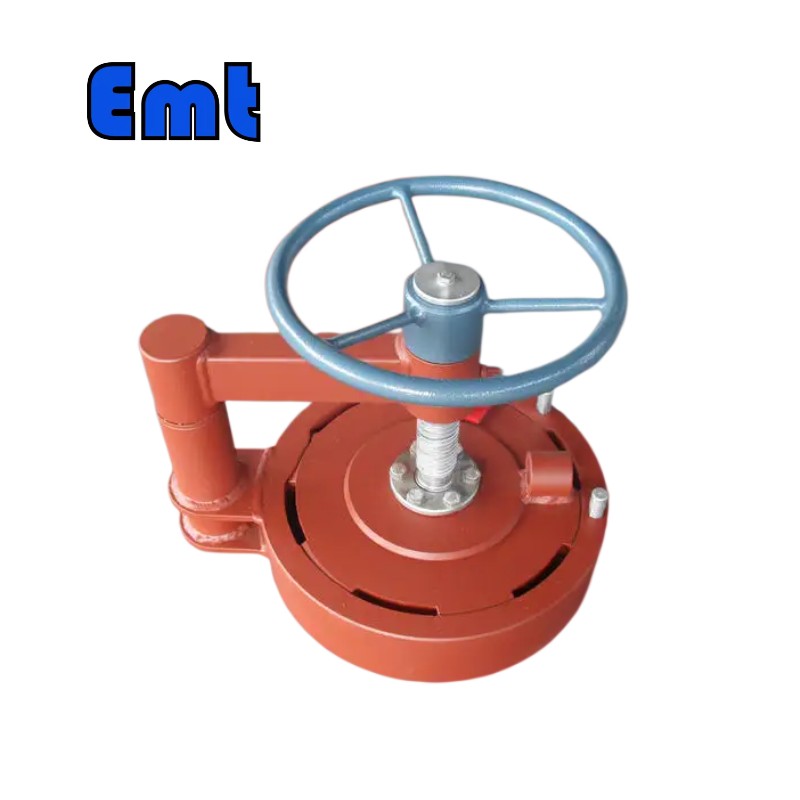
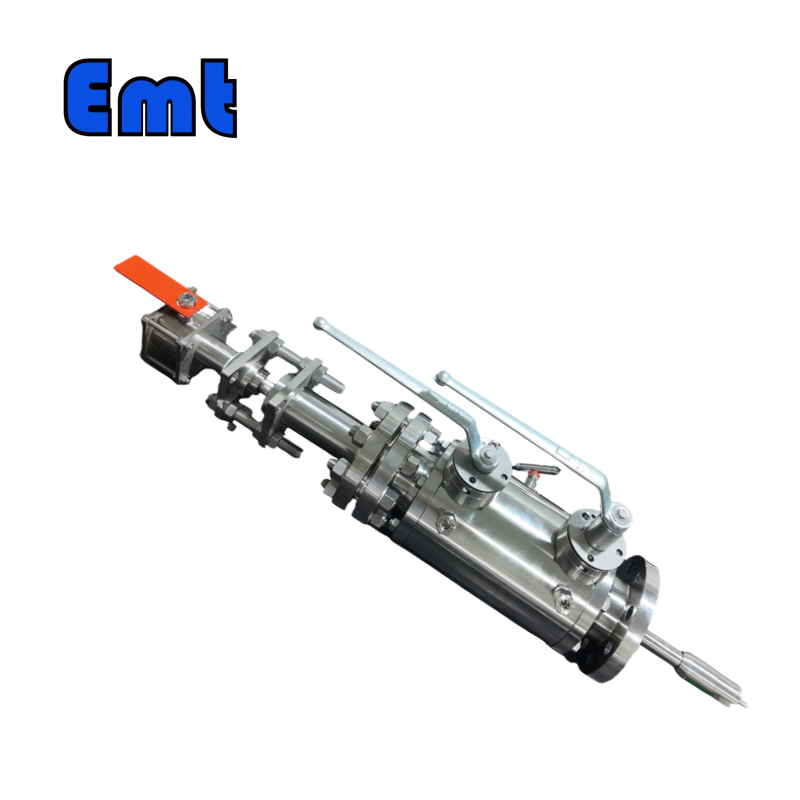
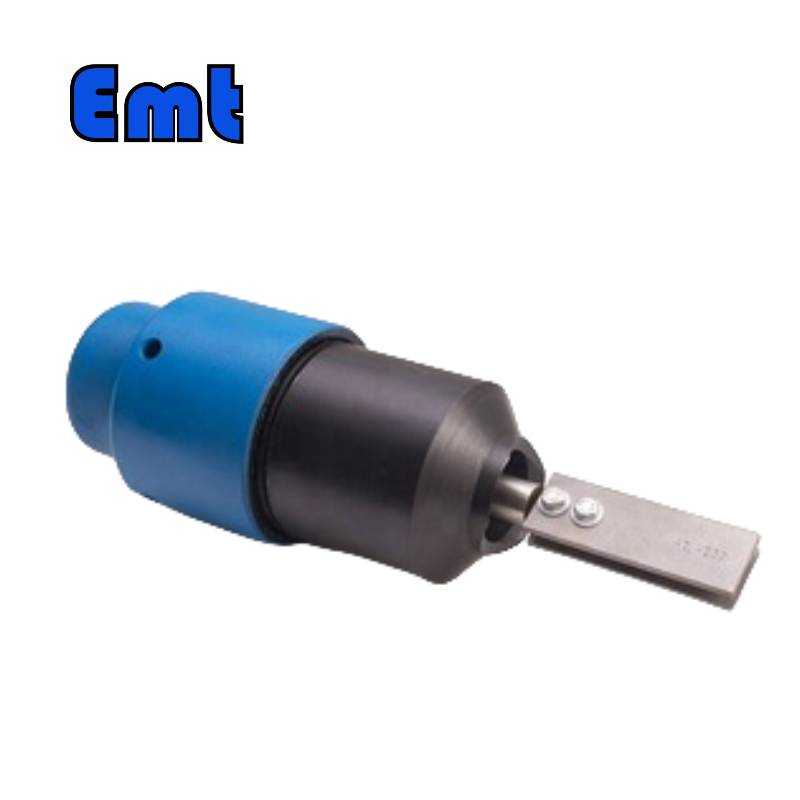
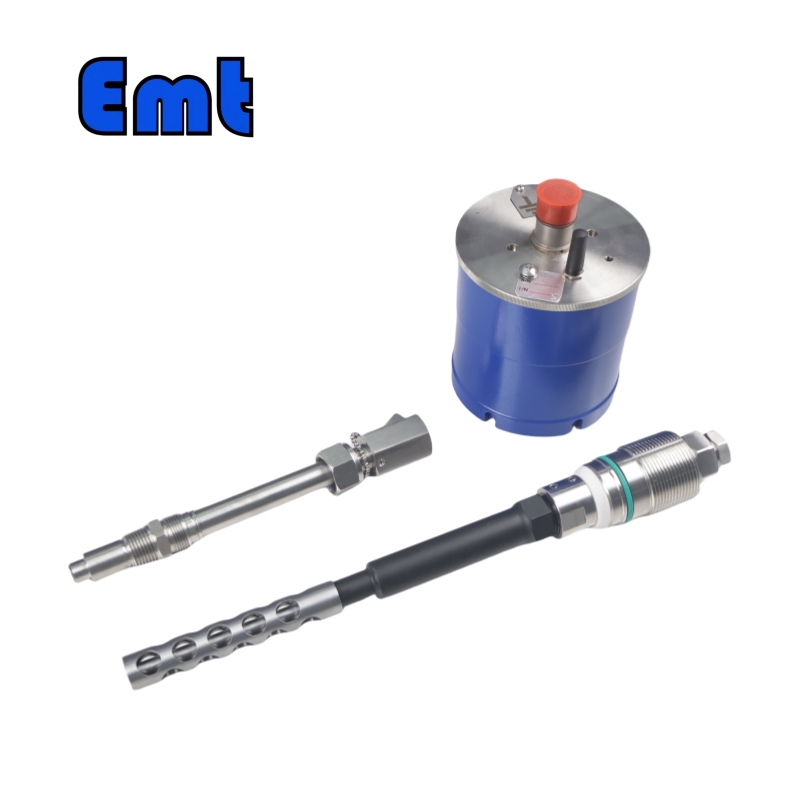
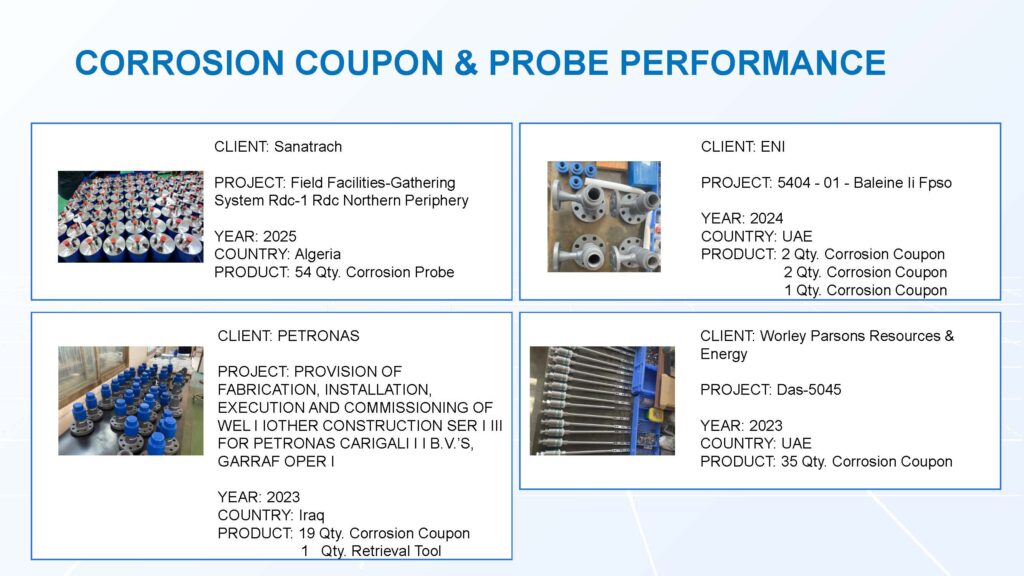
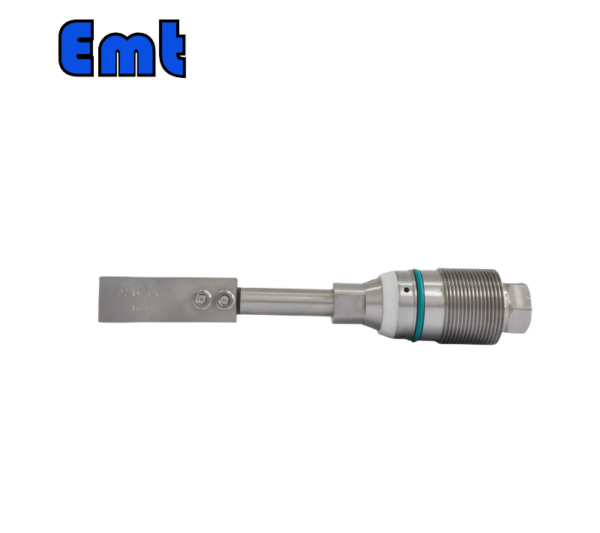
EMT supplies the full set: corrosion coupons, coupon holders, monitoring access fittings, ER and LPR probes, portable data transfer units, and the mechanical and hydraulic retrieval tools that recover the coupons under pressure. And the chemical injection quills that supply the inhibitor the whole programme is verifying.
FAQ
What is corrosion monitoring?
The measurement of how fast metal is being destroyed inside a pipeline, vessel or process line, in mils per year. It is used to confirm that a corrosion control programme is working, to detect changes in operating conditions that affect the rate, and to trigger maintenance before a leak occurs.
Which corrosion monitoring method is most accurate?
Corrosion coupons, because weight loss is a direct physical measurement unaffected by fluid conductivity or electromagnetic interference. ER probes are close behind, since they also measure metal loss directly. LPR is an inference and is the least accurate of the three, though it is the fastest. UT thickness is accurate but only sees the wall at the station where it is taken.
What is the difference between corrosion monitoring and corrosion control?
Control is the action: injecting inhibitor, applying cathodic protection, pigging the line. Monitoring is the measurement that verifies the control is working. Control without monitoring is an assumption. The programmes that work run both, because the assumption fails eventually and monitoring is what catches it.
How often should corrosion coupons be retrieved?
Every 30 to 90 days. The window allows the corrosion process to stabilise and representative surface films to form. Shorter exposures overstate the rate because flash corrosion dominates, and longer exposures lose data if the coupon becomes heavily encrusted.
Do I need a probe as well as a coupon?
It depends on how fast the rate can change. If the line runs continuously and conditions can shift in hours, a coupon alone will miss the event entirely. If the rate is stable and the question is the long-term average and whether the inhibitor is working, a coupon is enough and cheaper.
Can corrosion monitoring be installed on a piggable pipeline?
Yes, with flush-mounted components. The probe tip should protrude no more than about 1.5 mm from the pipe internal diameter so it does not interfere with inspection tools, and the coupon is set level with the wall in the upper pipe wall so the pig passes over it.
How much does corrosion monitoring cost?
A coupon costs little per unit and nothing to power, but every retrieval needs a shutdown, a retrieval operation, cleaning, weighing and laboratory analysis. A probe costs several times more, needs power and signal routing, and gives continuous data with automated collection. On a single point the coupon is cheaper. Across many points or on a critical line, the probe pays back.
Why does pigging matter for corrosion monitoring?
Because corrosion is driven by liquid accumulation. Regular pigging removes that liquid before corrosive conditions develop, and lines that are pigged regularly show measurably lower corrosion rates than lines that are inhibited but not pigged. Pigging is the control measure, and the monitoring tells you whether it is holding.
Related EMT products
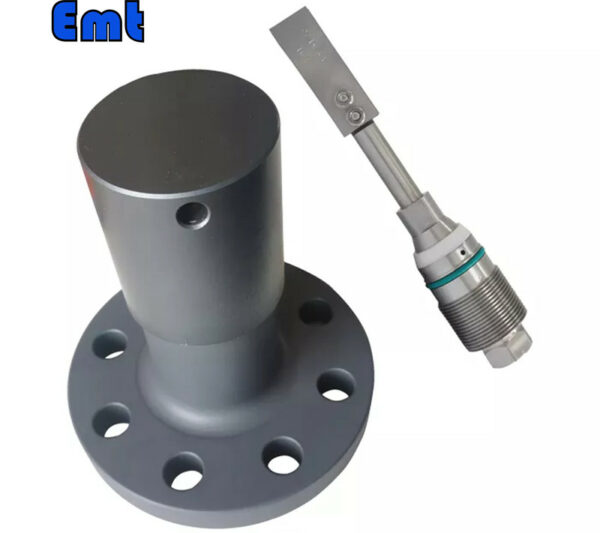
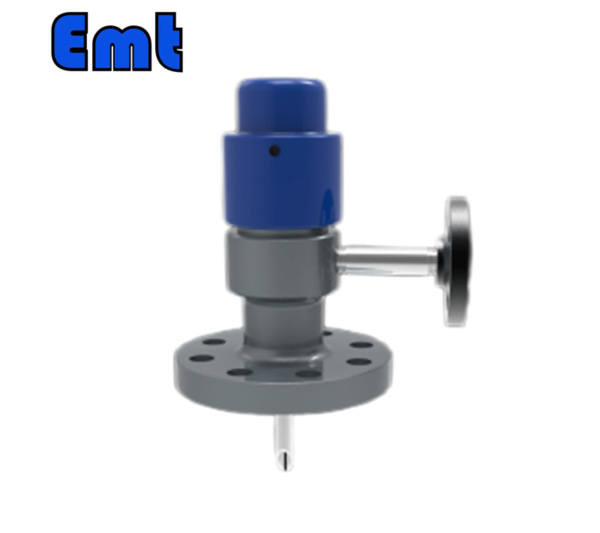
Related items in the same monitoring package include the corrosion coupons, the corrosion coupon holder, the standard corrosion probes in ER and LPR form, the corrosion monitoring access fitting and the hydraulic retrieval tool that recovers the coupons under pressure.
Reviews
There are no reviews yet.