



Mechanical pigs are rigid pigs that seal with a hard disc or cup element rather than compressing. Choosing the right mechanical pigs for a job comes down to what the pig has to do and what geometry the line allows.
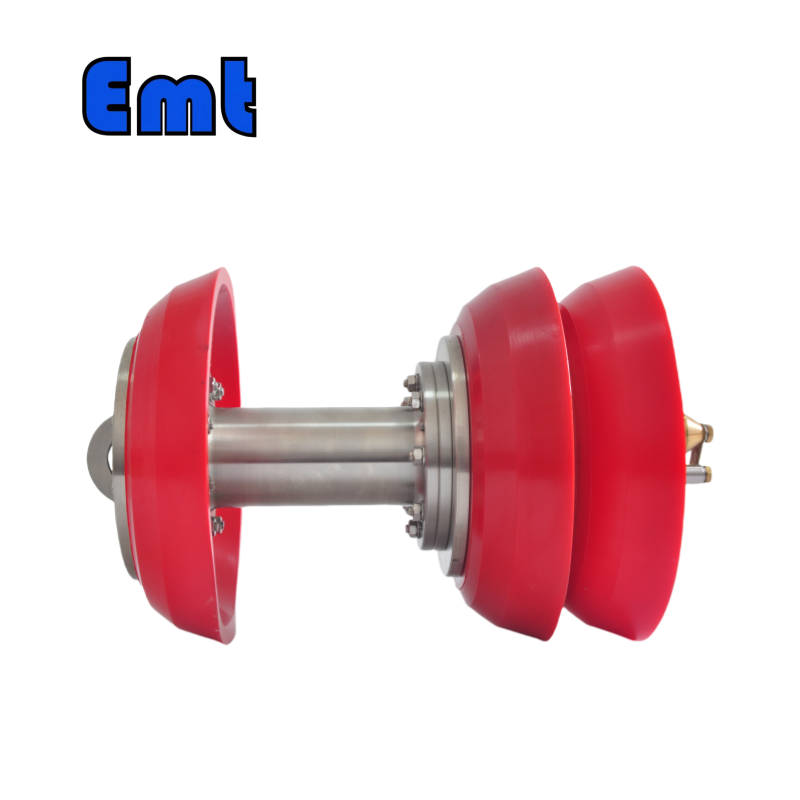
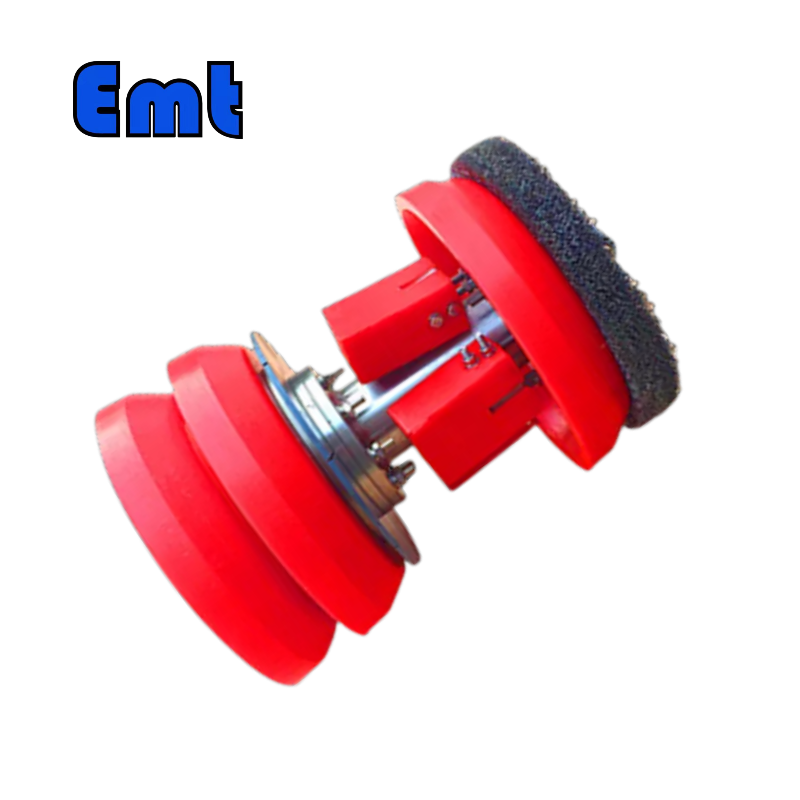
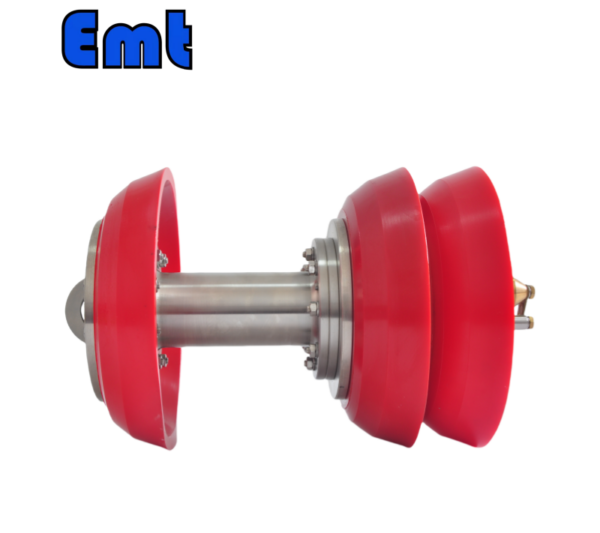
A mechanical pig is a rigid pig that seals with a hard element rather than compressing. A disc pig has a flat polyurethane disc that scrapes the pipe wall. A cup pig has a flexible cup that grips and pulls debris ahead of it. Both run on the flow, and both keep a consistent seal without the compression that a foam pig depends on.
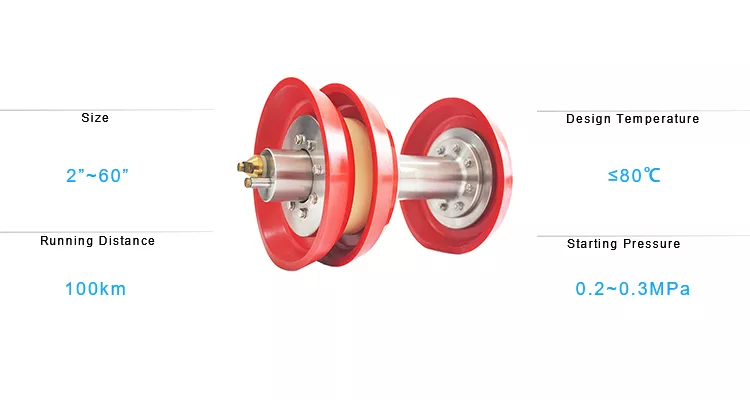
That difference is the whole reason to choose a mechanical pig. A rigid pig maintains a defined geometry against the wall, which is what makes it able to do jobs a foam pig cannot: gauging the internal diameter, separating products, and holding a set seal over a long run.
The cost of that rigidity is the constraint. A mechanical pig will not pass a reduction it does not fit through. It is a tool for a line that is fully piggable, and it is unforgiving about geometry in a way a foam pig is not.
Disc Pig Vs Cup Pig
| Factor | Disc pig | Cup pig |
| Seal element | Flat disc, polyurethane | Flexible rounded lip, polyurethane |
| Cleaning action | Scrapes, leaves a clean surface behind | Pushes debris ahead of itself |
| Direction | Generally one direction | Bi-directional, double dish configuration |
| Minimum bend radius | 1.5D with a two or three seal | 1.5D with a two or three seal, 4D with a full four seal |
| Wall compression | Up to 50 percent | Up to 50 percent |
| Typical use | Removing scale and deposits, gauging runs | Separating products, displacing liquids, dewatering |
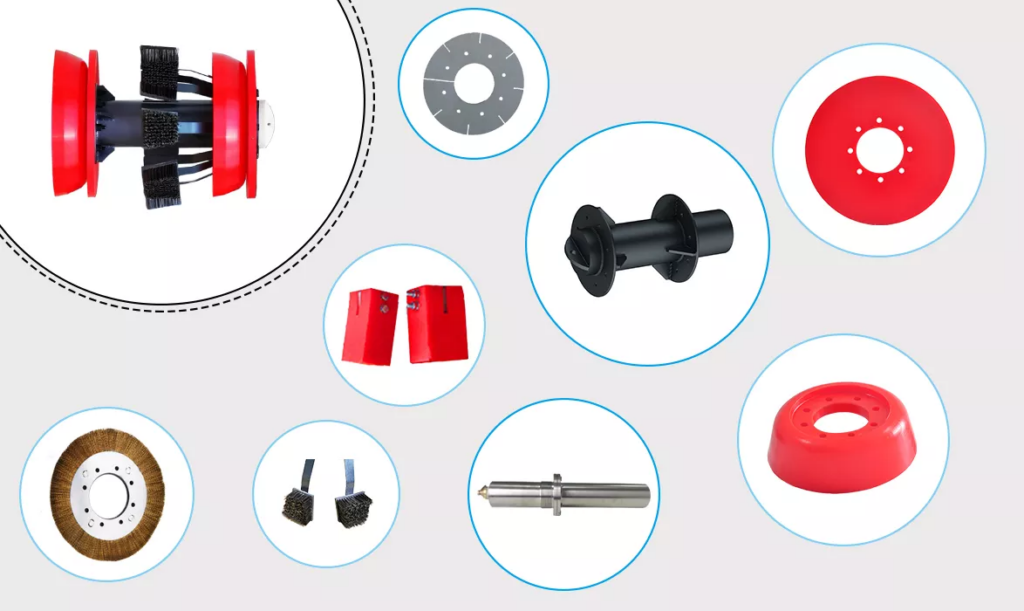
The bend radius line in that table is where projects go wrong. A three-seal pig negotiates 1.5D, and a full four-seal pig needs 4D. On a line with tight geometry, that difference decides whether the pig goes through or comes back.
Disc-Cup Pig Specifications
| Parameter | Specification |
| Available sizes | 2 inch to 48 inch (DN50 to DN1200) |
| Mandrel material | Carbon steel or 304 stainless steel |
| Seal material | Polyurethane (PU) Shore A 75 to 90; FKM and NBR optional |
| Seal configuration | Disc and cup combination, count configurable |
| Wall compression | Up to 50 percent |
| Minimum bend radius | 1.5D with two or three seals; 4D with a full four seal |
| PU tensile strength | 51.2 MPa |
| PU tear strength | 77 kN/m |
| PU abrasion loss | 32 mm3 (DIN) |
The compression figure of 50 percent applies to the seal element, not to the pig body. The rigid mandrel stays the same diameter, which is why the pig still has to physically pass through every restriction in the line. A mechanical pig that compresses its seal by 50 percent still cannot fit through a bore reduction of more than that.
The Other Mechanical Pig Types
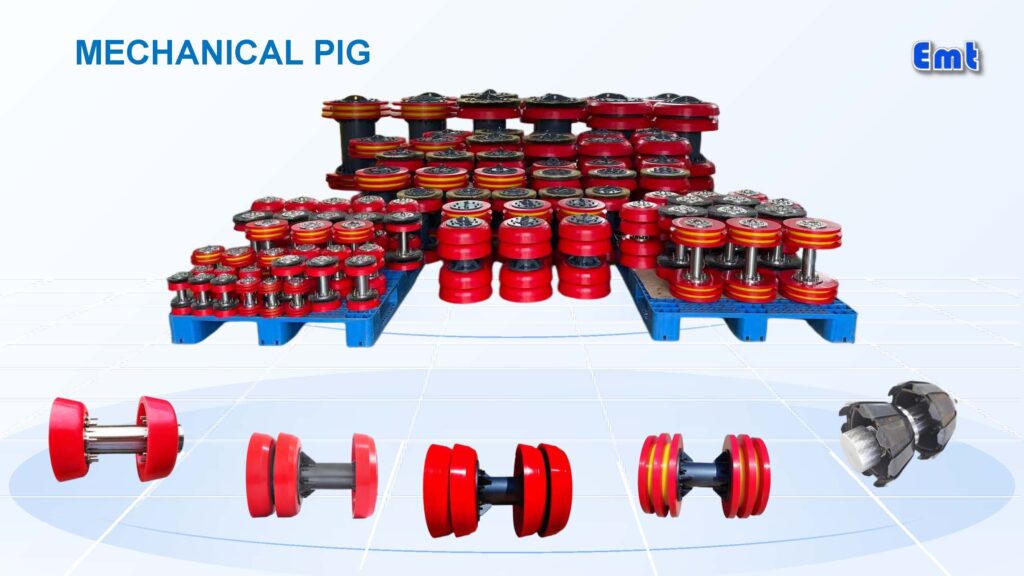
EMT builds several mechanical pig types for different jobs, and they are worth telling apart because they solve different problems.
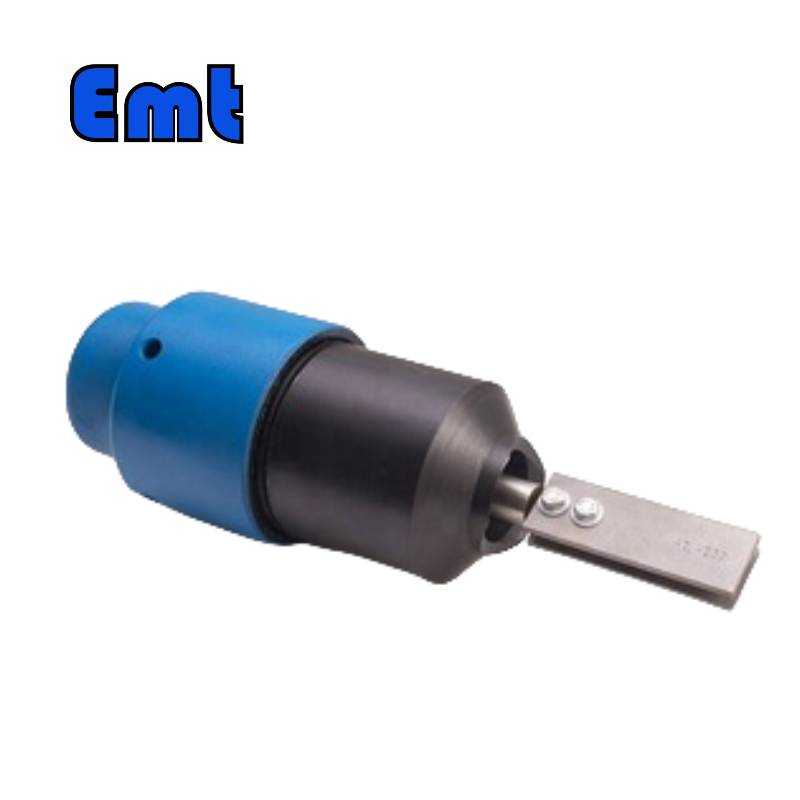
Caliper and gauging pigs. These carry a calibrated gauging plate sized to the nominal pipe, with flexible polyurethane sealing cups. The plate has a machined edge that scribes the wall, and the recorded reading gives the internal geometry: dents, ovality, wrinkles and restrictions. The pig runs on product flow with no external power and no tether. Sizes 2 inch to 48 inch, built to order for the line size, manufactured under an ASME U Stamp quality program.
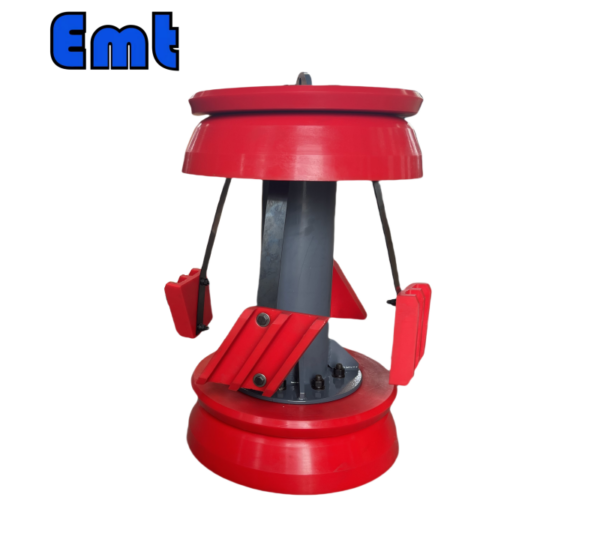
Magnetic pigs. A welded steel skeleton carries high-strength permanent magnetic steel frame-mounted, with butterfly cups, support plates and sealing straight plates, plus steel brushes and polyurethane sealing plates. The magnets pick up ferrous debris that no other pig would hold on to. EMT magnetic pigs cover 2 to 48 inch, run 800 to 1,000 kilometres per unit, and are rated for cleaning at up to 2 m/s and rust and wax removal at up to 1 m/s. Typical interference is 3 to 5 percent of pipe diameter on the cup type.
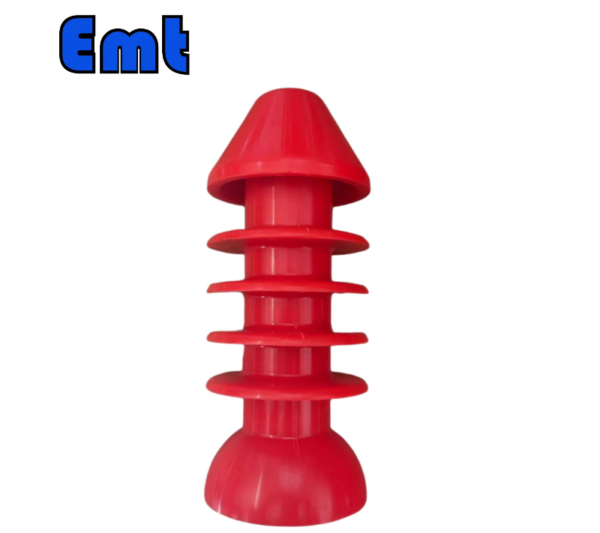
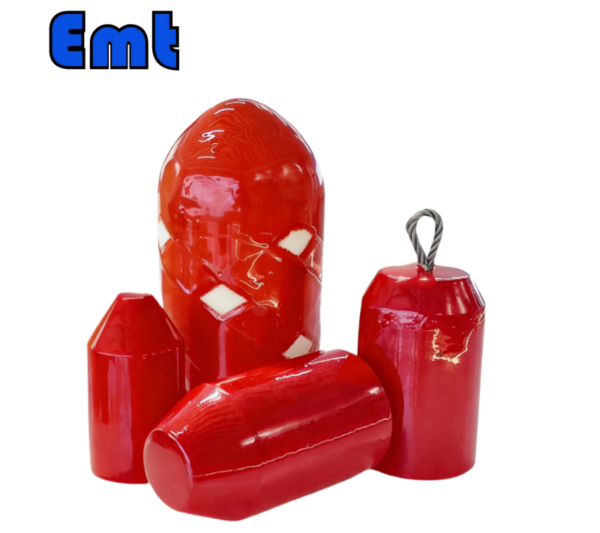
Solid cast pigs. One-piece cast polyurethane body, 1 front cup and 2 rear cups as standard with 4-cup available on custom order. Standard hardness is Shore A 83, with 82A and 87A on request and a range of 60 to 87 available. Tensile strength 51.2 MPa, elongation at break 1263 percent, tear strength 77 kN/m, DIN abrasion 21 mm3. The one-piece casting means no welded seams to fail, which is why this type is specified for the harder runs.
How To Choose Between Mechanical Pig Types
Choosing between mechanical pigs, foam pigs and gauging pigs is a decision about the deposit, the line and the run length. The table above sets out the mechanical pigs range and where each one belongs.
① Start from the job. Removing a specific deposit, gauging internal geometry, separating two products, and collecting ferrous debris are four different objectives, and each one points to a different pig.
① Check the geometry honestly. Measure the tightest bend radius and the smallest bore in the whole line. A mechanical pig is not a negotiating tool, and the 1.5D versus 4D difference between a three-seal and a four-seal pig is the number that stops the run.
① Match the seal material to the medium. Polyurethane Shore A 75 to 90 covers most hydrocarbon service. FKM or NBR is specified where the product or the temperature demands it.
① Confirm the speed the pig will run at. Magnetic pigs are rated for cleaning at up to 2 m/s and rust and wax removal at up to 1 m/s. Running faster than the rating shortens the life and reduces the cleaning effect.
① Decide whether you need the pig back. A mechanical pig with a mandrel is usually recoverable. A foam pig is a consumable. That difference changes the operating plan, not just the tool list.
① Plan for wear between runs. With 800 to 1,000 kilometres on the magnetic type and a DIN abrasion of 32 mm3 on the polyurethane, the wear surface needs inspection and renewal between campaigns.
Typical Applications
Mechanical pigs are used on crude oil and refined product pipelines for removing scale, wax and mill scale, and in pigging stations where the run length makes a rigid tool the better choice over foam pigs. on multi-product pipelines for product separation and batching, on gauging runs to survey internal geometry before an in-line inspection, and on gathering lines where ferrous debris from compressors has to be collected.
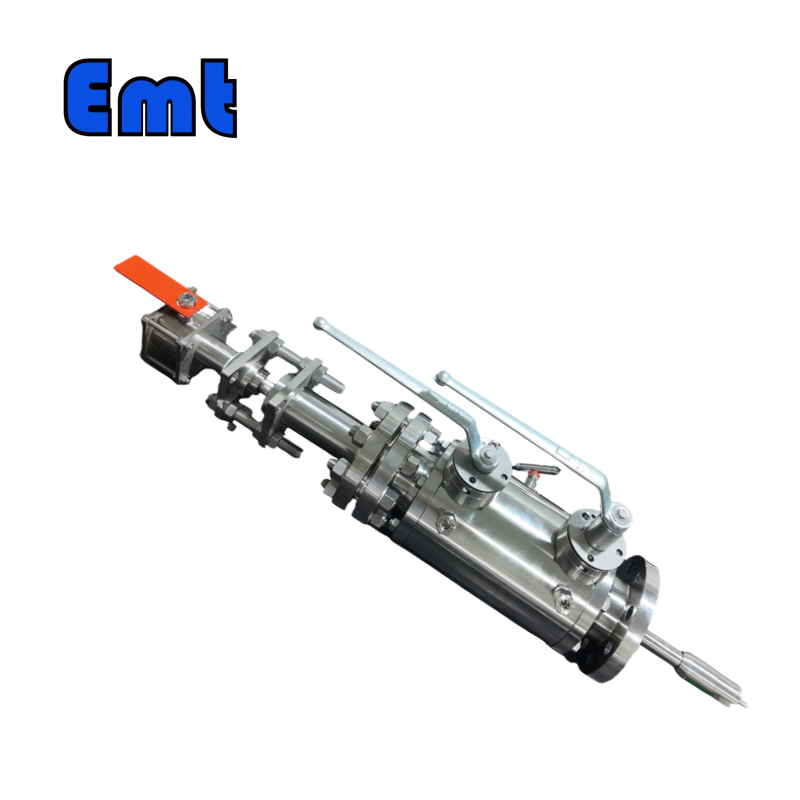
EMT supplies the disc-cup pigs, the caliper and gauging pigs with their calibrated plates, the magnetic pigs for ferrous debris, the solid cast polyurethane pigs, and the pig launchers, receivers and closures that run them.
FAQ
What is the difference between a mechanical pig and a foam pig?
A foam pig compresses up to 50 percent and passes restrictions that stop a rigid tool, which makes it the only practical choice on a line that is not fully piggable. A mechanical pig runs on a rigid disc or cup seal, keeps a defined geometry against the wall, and can do jobs foam cannot: gauging internal diameter, separating products and holding a set seal over distance. In exchange it will not fit through a reduction it does not pass.
Is a disc pig better than a cup pig?
It depends on the job. The disc scrapes and leaves a clean surface behind, which suits deposit removal and gauging runs. The cup pushes debris ahead of it and works bi-directionally in a double dish configuration, which suits product separation, liquid displacement and dewatering. Many pigs are built with both, in a configurable count.
What bend radius does a mechanical pig need?
1.5D with a two or three seal configuration, and 4D with a full four seal. That is a real constraint on lines with tight geometry, and it is the number most often checked too late. Confirm the tightest bend in the whole line, not just the nominal route.
How long does a mechanical pig last?
EMT magnetic pigs are rated for 800 to 1,000 kilometres per unit. The polyurethane seal elements wear faster than that and are the part that needs renewing between runs. Polyurethane shows a DIN abrasion loss of 32 mm3, which is the figure to use when planning a cleaning campaign.
Can a mechanical pig be recovered and reused?
Usually yes, because it has a rigid mandrel rather than being a compressible body. Whether you plan for recovery depends on the operation. A pig that is coming back needs a trap rated for it and a retrieval arrangement, which is a different plan from a consumable run.
What is a magnetic pig used for?
Collecting ferrous debris that other pigs would push along or lose. EMT magnetic pigs have a welded steel skeleton with frame-mounted high-strength permanent magnetic steel, steel brushes and polyurethane sealing plates. They cover 2 to 48 inch and are rated for cleaning at up to 2 m/s and rust and wax removal at up to 1 m/s.
What sizes are mechanical pigs available in?
2 inch to 48 inch, which is DN50 to DN1200, across the disc-cup, magnetic, gauging and solid cast range. The gauging pigs are built to order for the specific line size because the gauging plate has to be calibrated to the nominal bore.
Related EMT products
Related items in the same package include the full mechanical cleaning pig range including the magnetic and gauging types, the solid cast cleaning pigs in one-piece cast polyurethane, the pig launcher and receiver that runs them, and the pig signallers that confirm passage at the receiver.
Reviews
There are no reviews yet.