

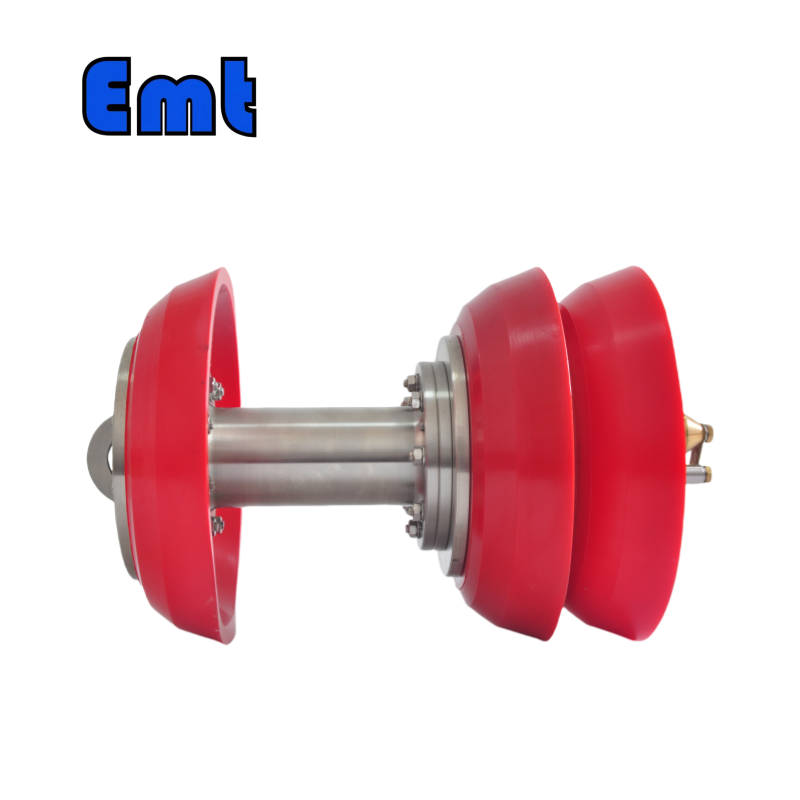


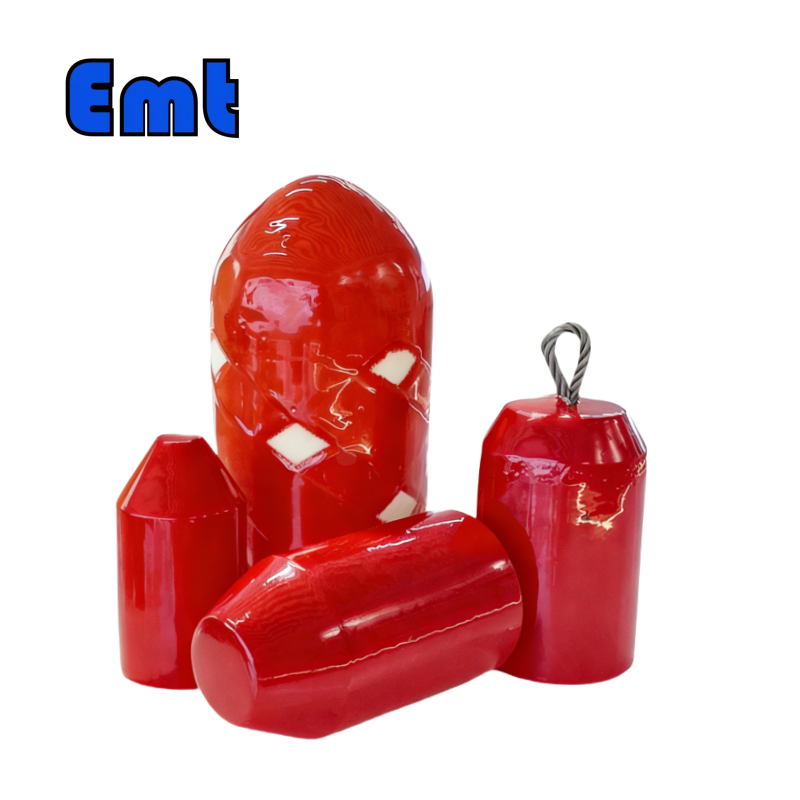
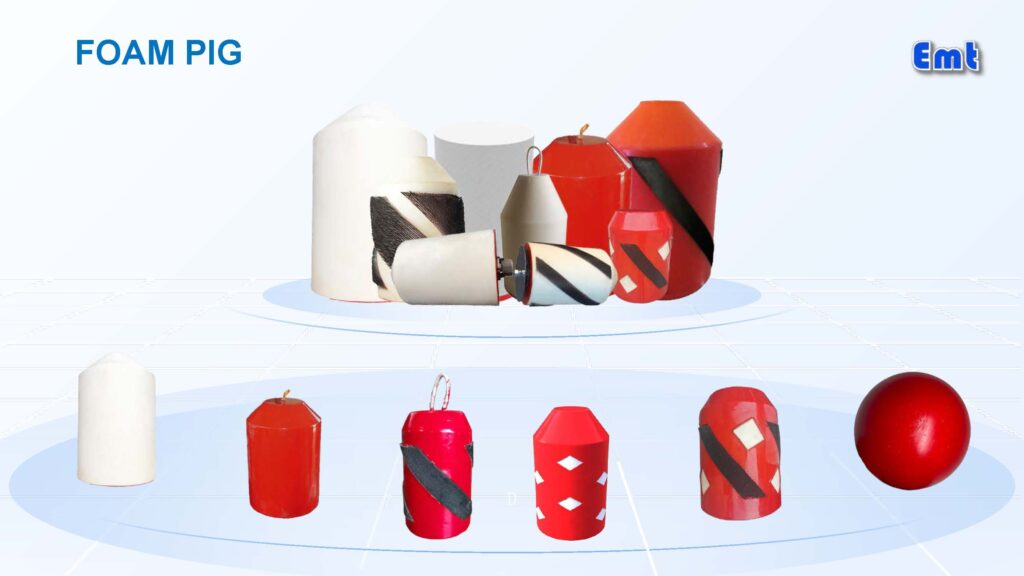
Foam pigs are made from open-cell polyurethane foam and they compress, which is why they are the most widely used pipeline pig and the only practical option on a line that is not fully piggable. EMT supplies them from 2 inch to 48 inch (DN50 to DN1200) in densities from 35 to 220 kg/m3, rated to 7 MPa differential pressure, with bare, criss-cross, wire brush and fully coated configurations. Density decides how aggressively the pig cleans, and the coating decides how the cleaning happens.
Why Foam Pigs Dominate
Foam pigs are the default cleaning tool in pipeline operations, and the reason is a single physical property: they compress.
A mechanical pig is rigid. If the line has a tight bend, a weld intrusion, a partial bore reduction or a non-full-bore valve, a disc or cup pig will stop there. A foam pig compresses to pass through it and then expands back to full bore once it is clear, maintaining contact with the wall in the normal bore. That means a foam pig can run on a line that was never designed to be piggable, and it can negotiate a geometry that would stall a rigid tool.
There is a second reason. The same flexibility lets the pig conform to the pipe wall, which is what generates the seal. The compression is not a compromise, it is the mechanism. The differential pressure across the pig pushes it against the wall, and the compliant body keeps that contact even as the bore changes.
Foam Pig Specifications
| Parameter | Specification |
|---|---|
| Available sizes | 2 inch to 48 inch (DN50 to DN1200) |
| Body material | Open-cell polyurethane foam core |
| Coating | Full-layer polyurethane elastomer |
| Foam density | 35 to 220 kg/m3 (2 to 14 lb/ft3) |
| Wall compression | Up to 50 percent |
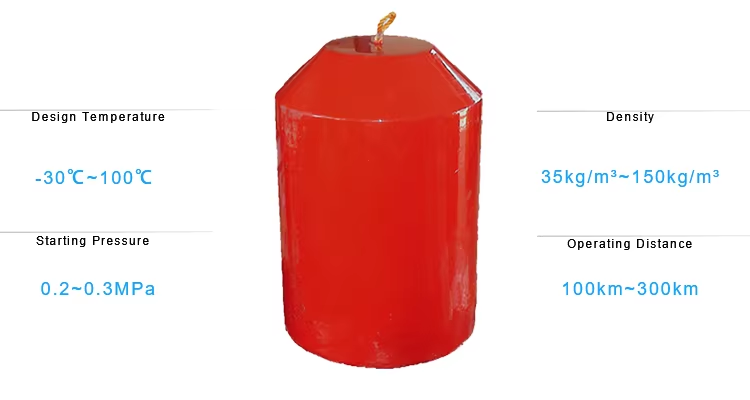
| Max operating pressure | 7 MPa (1,015 psi) differential |
| Starting pressure | 0.02 MPa |
| Min. bend radius | 1.5D |
| Flex life | 50,000 cycles |
| Wear rate | About 2 mm per 100 km |
| Operating distance | 100 to 300 km per run |
| Stretch rate | 320 percent |
| Operating temperature | -30 to 100 degrees C |
The compression ratio of 50 and the stretch rate of 320 percent are what make the pig survivable. A pig that cannot compress 50 percent cannot pass a 50 percent reduction. A pig that stretches 320 percent can absorb the strain of negotiating a bend without tearing. The flex life of 50,000 cycles covers the repeated deformation of a normal service life.
Density: The Main Selection Decision
Density is the most frequently misunderstood parameter in foam pig selection, and it is the one that decides whether the run succeeds.
| Density | Typical use | Avoid when |
|---|---|---|
| Low density, 35 to 60 kg/m3 | Line proving, drying, initial dewatering | Heavy debris is present, the pig will compress and bypass it |
| Medium density, 70 to 130 kg/m3 | General cleaning, silt and wax removal, batching | High differential pressure conditions |
| High density, 140 to 220 kg/m3 | Heavy scale removal, high pressure oil lines | The line has bore restrictions or a tight bend |
Low density is for proving a bore and for drying. Medium density is the working default for general cleaning. High density is for heavy scale, and it is the most aggressive and the most likely to get stuck.
The rule that holds almost every time: start lighter than you think you need. Running a second, more aggressive pig after a light proving pass is straightforward. Recovering a stuck aggressive pig from a long line is not. On a pipeline that has never been pigged, on an older line with scale or corrosion, or on a line with non-standard geometry, always begin with a low density bare pig.
Coating: How The Cleaning Happens
Density sets how hard the pig pushes against the wall. The coating determines the cleaning mechanism, and the two decisions are made separately.
| Coating | Cleaning action | Application |
|---|---|---|
| Bare, open-cell foam | Wiping and sweeping, no abrasion | Line proving, initial dewatering, drying passes |
| Criss-cross textured foam | Aggressive surface scrubbing | General cleaning, silt and wax removal |
| Wire brush | Mechanical scraping of the wall | Hard scale and mill scale removal |
| Silicone carbide or polyurethane coating | Hard particle abrasion | Very hard deposits, long runs |
| Fully coated | Controlled wear, high seal integrity | Hydrotest dewatering, product batching, long-distance runs |
Wire brush and carbide coated pigs are significantly more aggressive and are the usual cause of a stuck pig on a line with restrictions. They are the right choice on a known, clean-bore line that needs scale removed, and the wrong choice as a first run.
Polyurethane coated foam pigs have an additional benefit: the coating is what takes the wear, so the foam body survives for many more cycles. That is what makes them the normal choice for long runs of 100 to 300 km and for product batching, where the seal has to hold for the whole distance.
Sizing: Compress Against The Measured Bore
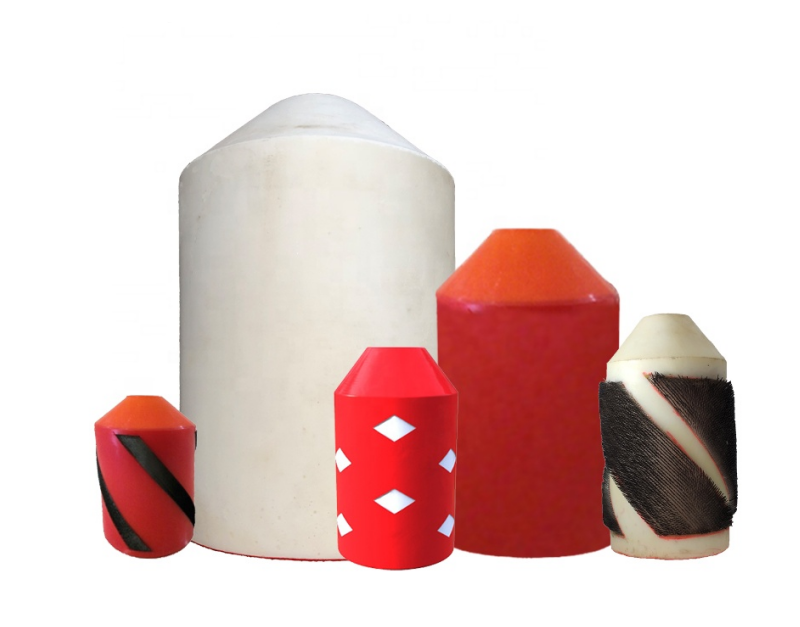
For foam pigs, specify an outside diameter 5 to 10 percent larger than the measured internal bore of the pipeline. The compression creates the contact seal that drives both the cleaning and the liquid removal.
Confirm the measured internal diameter from the pipe specification sheet or the as-built drawings, not from the nominal pipe size. Wall thickness varies between schedules, so a nominal 10 inch pipe is not a 10 inch bore. And size against the tightest restriction in the line if the line is not fully piggable, not against the nominal bore.
The Full Foam Pigging System
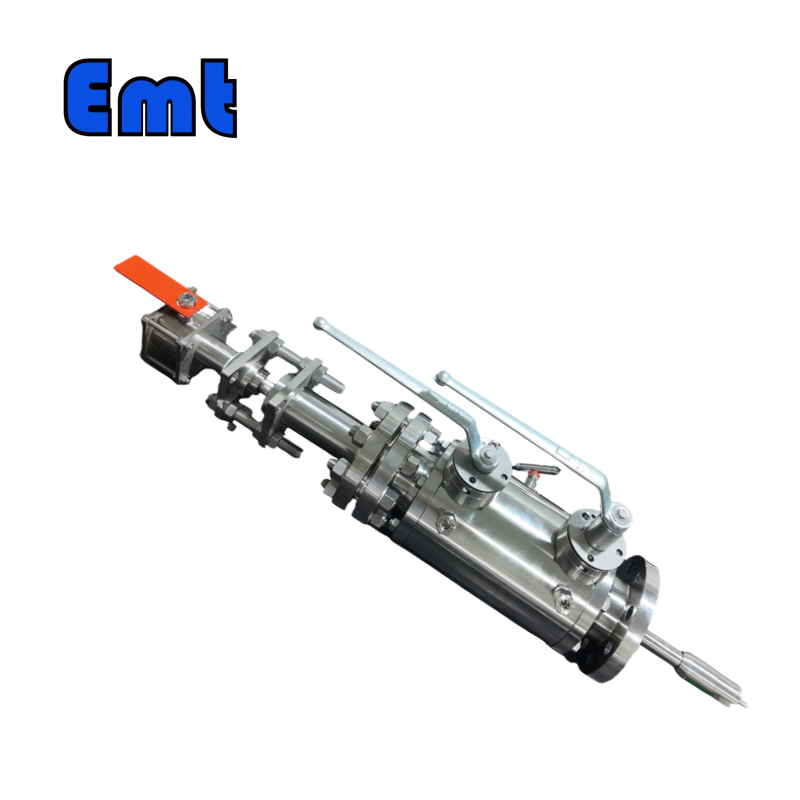
A foam pig needs a launcher, a receiver, a closure and a signaller to work. EMT supplies all of them together with the pigs, so the pig and the trap are matched rather than sourced separately.
| Component | Specification |
|---|---|
| Pig launcher and receiver | Design pressure to 42 MPa, 2 mm corrosion allowance, 7-degree seismic rating |
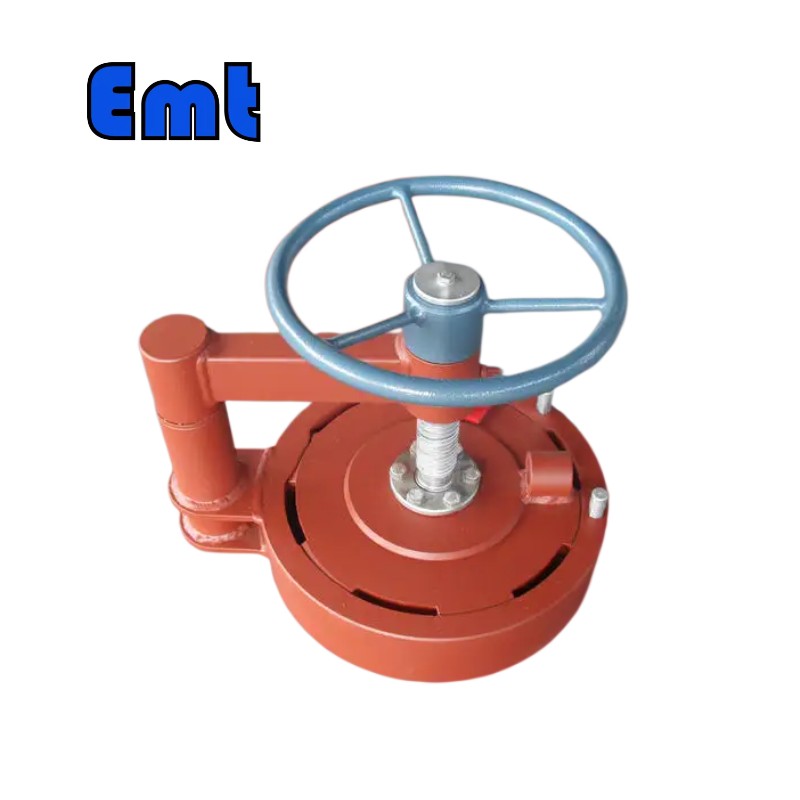
| Quick opening closure | Up to 40 MPa, -50 to 300 degrees C, DN up to 1800 mm, bayonet, clamp and lock ring types |
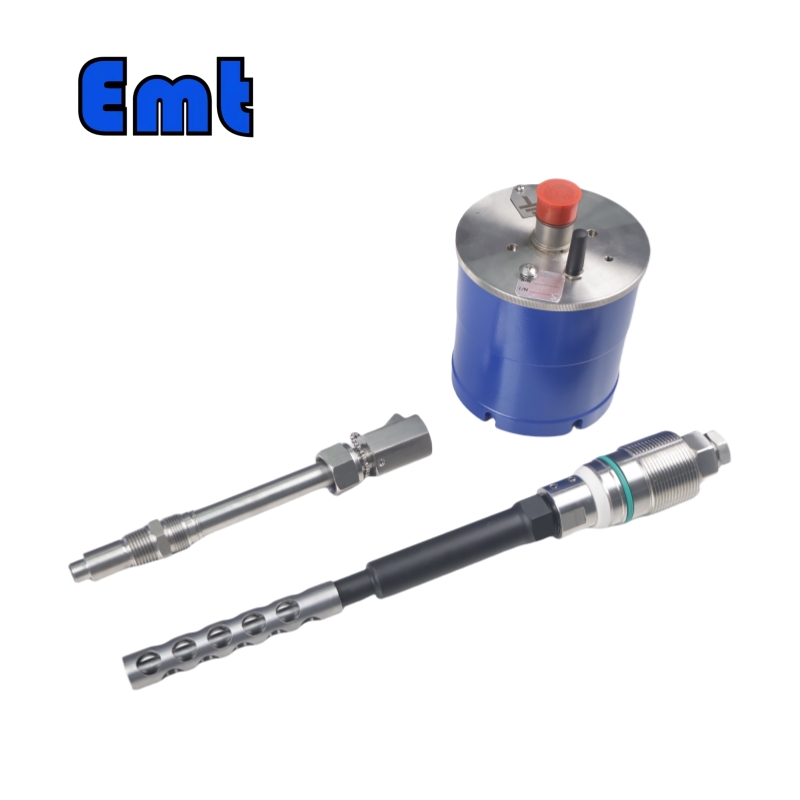
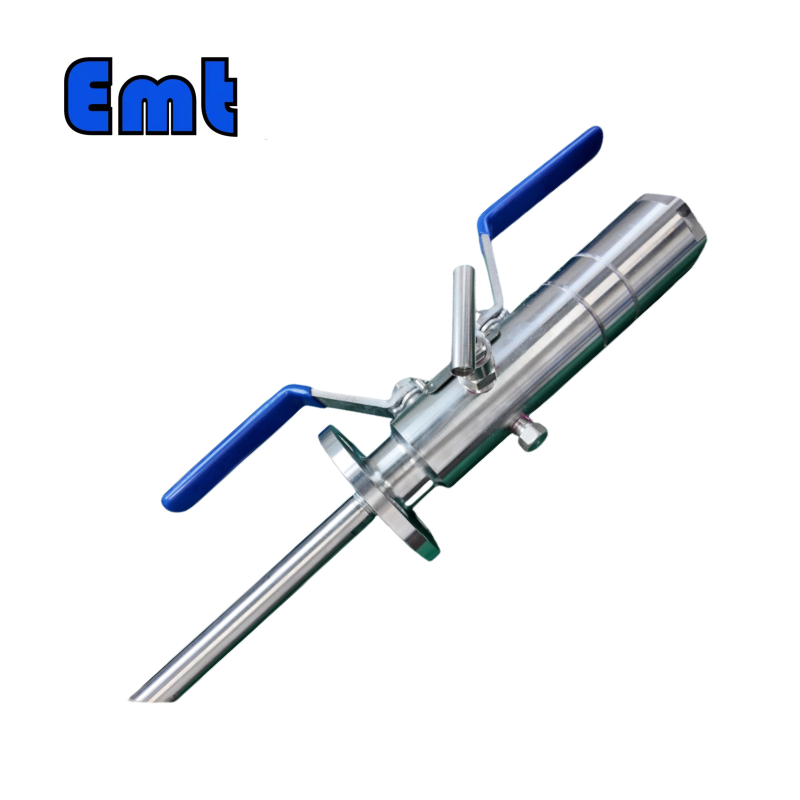
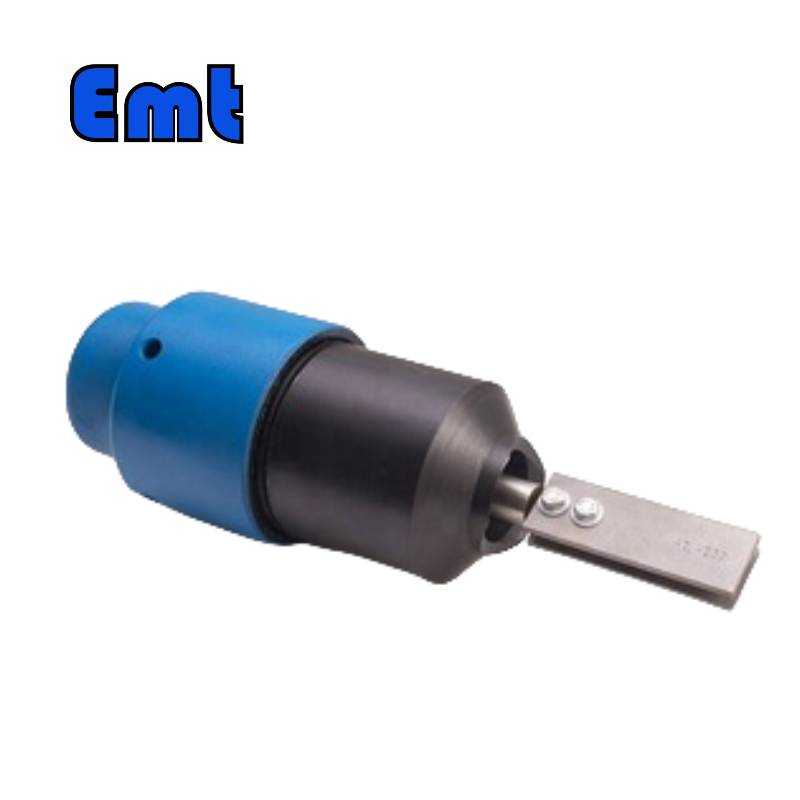
| Pig signaller | Intrusive and non-intrusive, flange and welded connection |
| DBB valve | 2 inch to 24 inch, Class 150 to 2500, isolates a removable signaller for service |
How To Plan A Foam Pig Run
- Define the objective. Proving, drying, dewatering, cleaning or batching.
- Confirm the line is piggable, and if it is not, size the pig to the tightest restriction rather than the nominal bore.
- Select the density, starting lighter than you think you need on any line of unknown condition.
- Select the coating to match the deposit: bare for proving and drying, criss-cross for general cleaning, brush or carbide for hard scale.
- Size against the measured bore, with 5 to 10 percent compression.
- Check the trap rating against the differential the pig will generate.
- Inspect the pig after each run. The wear rate of about 2 mm per 100 km means a long-running pig needs its wear surface renewed or replaced before the next run.
Typical Applications
Foam pigs are used in crude oil, refined product, natural gas, water and chemical pipelines for new pipeline commissioning and bore proving, dewatering after hydrotest, gas line drying, general cleaning of wax and silt, and product batching. They are fitted to pig launchers and receivers at both ends of a pipeline, and they are the standard first tool on any line of unknown internal condition.
FAQ
What are foam pigs used for?
Four main jobs. Proving a new bore is clear before commissioning, drying a line, dewatering after hydrotest, and cleaning deposits of wax, silt and light scale. Because they are a single-use consumable by design, they are also used for one-off dewatering passes in multi-product batching operations.
What size foam pig do I need?
Specify it 5 to 10 percent larger in outside diameter than the measured internal bore of the pipeline, and confirm that measurement from the pipe specification rather than the nominal pipe size. If the line is not fully piggable, size the pig to the tightest restriction it must pass, not the nominal bore.
How do I choose the density?
By the job and by the line condition. Low density for proving, drying and initial dewatering, because a light pig will not stall in a restriction. Medium density for general cleaning and wax removal. High density for hard scale, on a line already known to have a clear bore. When in doubt, start light and escalate.
Can a foam pig run in a line that is not fully piggable?
Yes, and that is the main reason to use one. It compresses up to 50 percent, so it passes tight bends, weld intrusions, partial bore reductions and non-full-bore valves. It must still be sized to the tightest restriction, and a qualification trial is advisable in a line that has never been pigged before.
What is the difference between a bare foam pig and a coated one?
A bare pig is uncoated open-cell foam, used for line proving, initial dewatering and drying. A coated pig has a polyurethane layer over the foam, which changes the cleaning action to a controlled abrasion and, more importantly, puts the wear on the coating instead of the foam. That is what allows a coated pig to run 100 to 300 km and to hold a seal for product batching.
How much pressure can a foam pig handle?
EMT poly-coated foam pigs are rated to 7 MPa, which is 1,015 psi, differential pressure, with a starting pressure of 0.02 MPa. The bend radius requirement is 1.5D and the working temperature range is -30 to 100 degrees C.
How long does a foam pig last?
It depends on the run and the coating. The wear rate is about 2 mm per 100 km and the operating distance is 100 to 300 km per run, so a single pig can cover a typical cleaning campaign. The flex life is 50,000 cycles, but the wear surface is normally inspected after each run and renewed or replaced before the next one.
Related EMT products
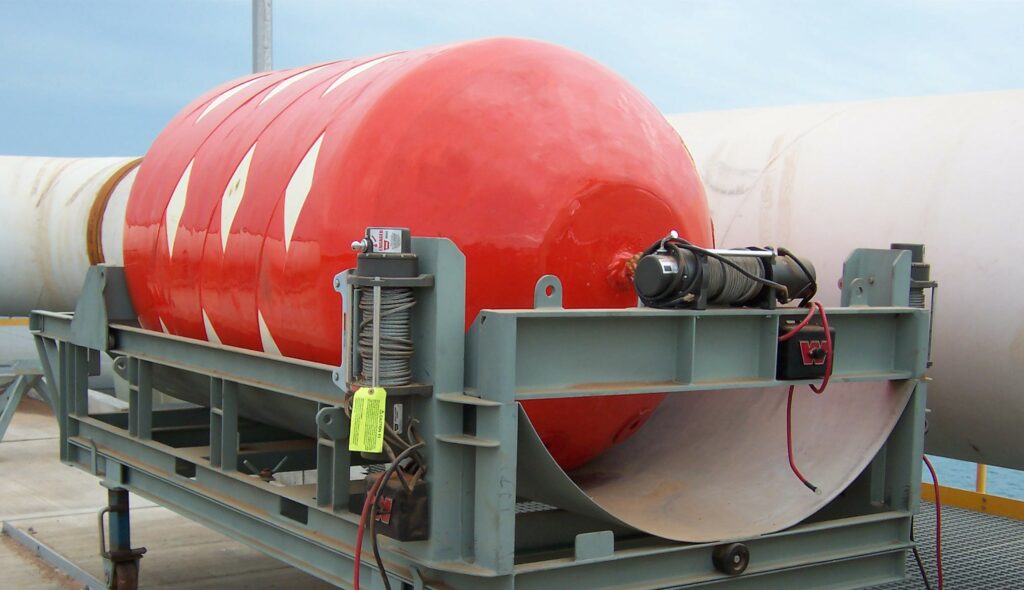
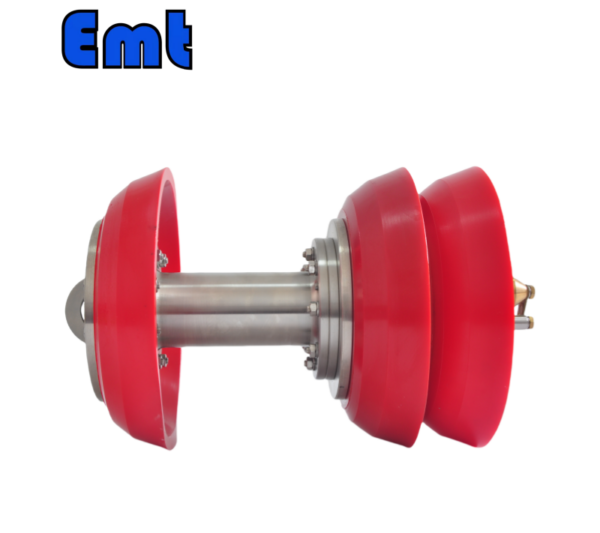
Related items in the same pigging package include the full pipeline pig range, the quick opening closure fitted to each trap, the pig signallers that confirm passage, and the pig launcher and receiver skid. EMT supplies these so the complete pigging station is documented under one order.
Reviews
There are no reviews yet.