



Pipeline pig selection comes down to three variables: what job the pig has to do, whether the line is fully piggable, and what bore size and pressure the pig must handle.
Why Pipeline Pig Selection Is Decided By Three Variables
Good pipeline pig selection starts with the same three questions every time, and the order matters. First, what is the objective? Cleaning, dewatering, product separation and bore gauging all call for completely different tools. Second, is the pipeline fully piggable? Full-bore valves, correct bend radii and a consistent internal bore decide whether a mechanical pig is even an option. Third, what are the actual line conditions? Bore diameter, operating pressure, medium and run length determine the pig’s density, coating, and seal.
Answer these in order and the pig type follows. Answer them out of order and you end up with the most common pigging failure: a pig that is either too aggressive for the line, risking a stuck pig, or too light to seal and clean at all.
Pipeline Pig Selection: The Five Main Pig Types
| Pig type | Primary function | Best application | Pipeline requirement |
|---|---|---|---|
| Foam pig | Cleaning, drying, dewatering, batching | New pipeline commissioning, light to medium cleaning | Piggable and non-piggable |
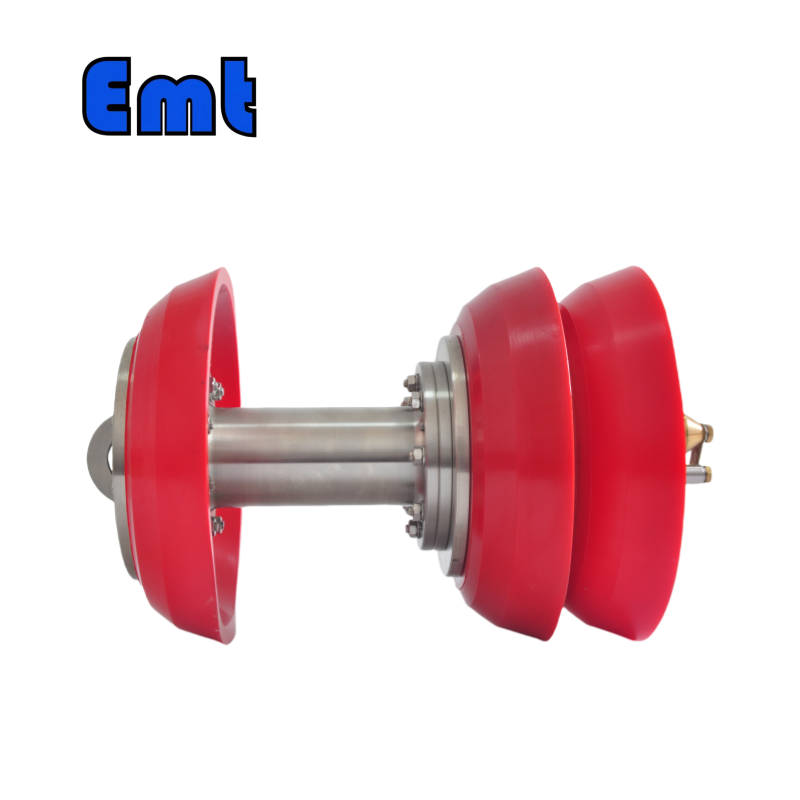
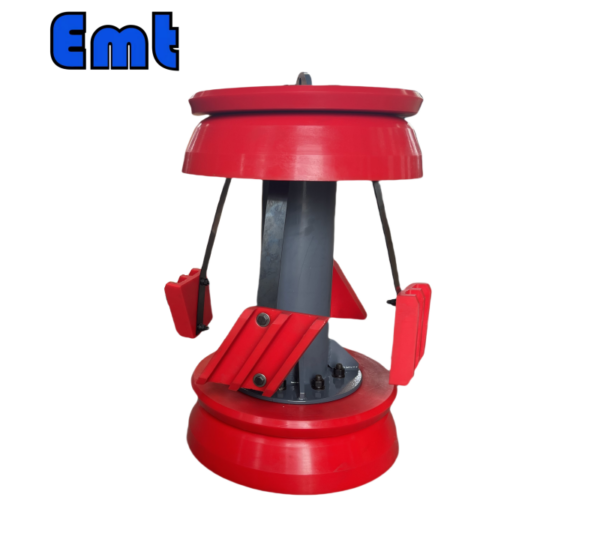
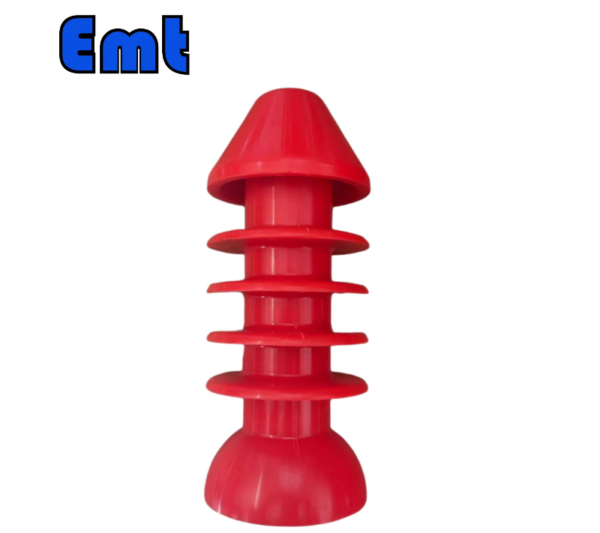
| Disc pig | Sealing, liquid removal, product separation | Lines without launcher or receiver | Fully piggable |
| Cup pig | Heavy debris removal, long-run cleaning | Gas and water pipelines, long distances | Fully piggable |
| Solid cast pig | Batching, product separation, dewatering | Multi-product pipelines, post-hydrotest | Piggable bore |
| Gauging pig | Bore measurement, obstruction detection | Pre-inspection, new pipeline qualification | Piggable |
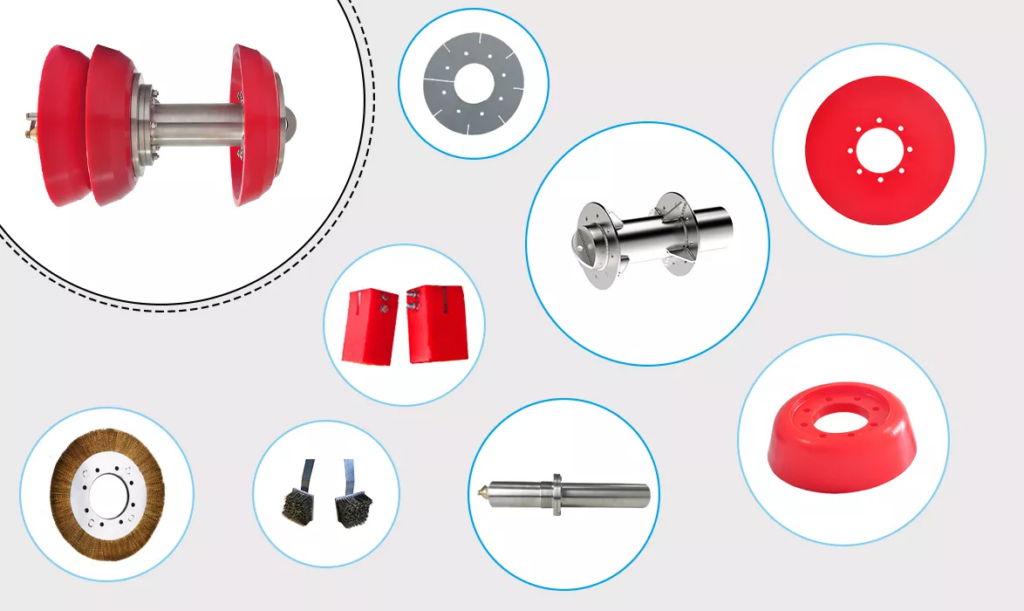
Foam Pig Selection
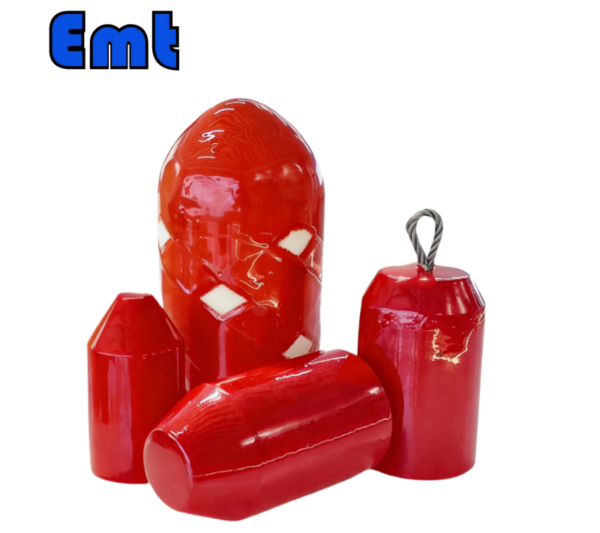
Foam pigs are manufactured from open-cell polyurethane foam and are supplied in a wide density range. EMT supplies them in 35-220 kg/m3, with a maximum differential pressure of 7 MPa, a minimum bend radius of 1.5D, and a flex life of 50,000 cycles. Poly-coated foam pigs in this family are available from 2 inch to 48 inch (DN50-DN1200).
The key advantage of a foam pig is that it compresses. It will negotiate tight bends, weld intrusions, partial bore reductions and non-full-bore valves that stop a disc or cup pig completely. That makes foam the only realistic choice on a line that is not fully piggable, and the sensible starting point on any line whose internal condition is unknown.
Solid Cast Pig Selection
A solid cast pig has a single-piece cast body rather than a welded plate, and it is not reconfigurable. EMT supplies solid cast pigs in carbon steel or stainless steel with replaceable disc or cup sealing elements, so the wear parts can be renewed without replacing the whole body. In a multi-product pipeline, where product separation and batch changeover are routine, the cast body is worth the higher purchase cost because it is built for repeated seal loading.
Gauging Pig Selection
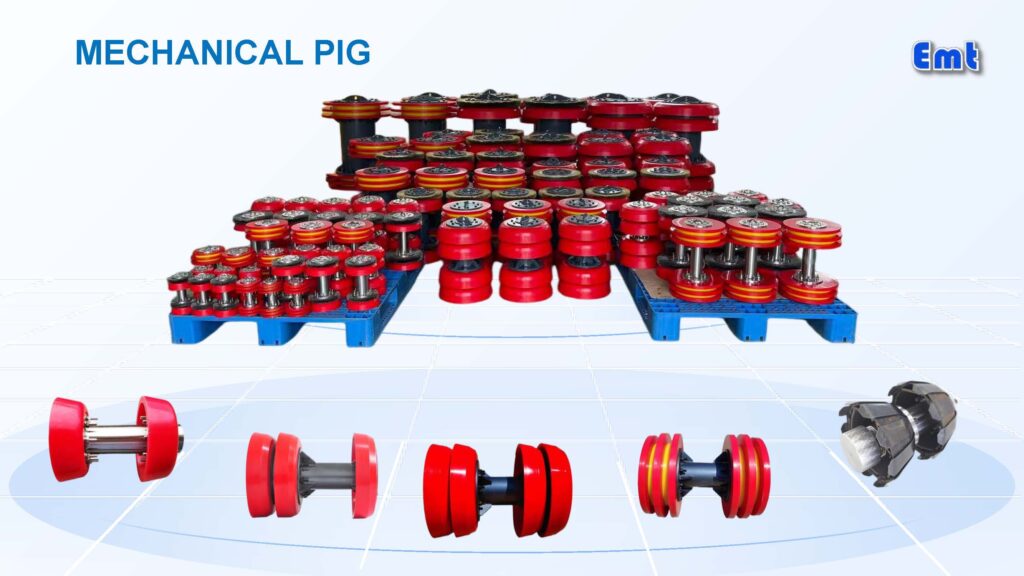
Before an inline inspection tool runs, the bore has to be confirmed. A gauging pig measures the internal diameter and locates dents, slope changes and obstructions. Running an inspection tool through an unverified bore risks a stuck tool, which on a long pipeline is a far more expensive problem than a gauging run.
For most operators, foam pig density selection is the decision that determines whether the run succeeds, and this is where pipeline pig selection usually goes wrong. This section is covered in detail below.
Foam Pig Density Selection
Density is the most frequently misunderstood pigging parameter. It determines how hard the pig pushes against the pipe wall, how much differential pressure it can sustain, and how aggressively it cleans.
| Density | Typical use | Avoid when |
|---|---|---|
| Low density | Line proving, drying, initial dewatering | Heavy debris is present, the pig will compress and bypass |
| Medium density | General cleaning, silt and wax removal, batching | High differential pressure conditions |
| High density | Heavy scale removal, high-pressure oil lines | The line has bore restrictions |
The rule that holds in almost every case: start lighter than you think you need. It is far easier to run a second, more aggressive pig than to recover a stuck pig. On a pipeline that has never been pigged, the sensible commissioning sequence is a low density line-proving run, then a dewatering pass, then a medium density cleaning pass, and finally a low density fully coated run for drying.
Pig Sizing And Overcompression
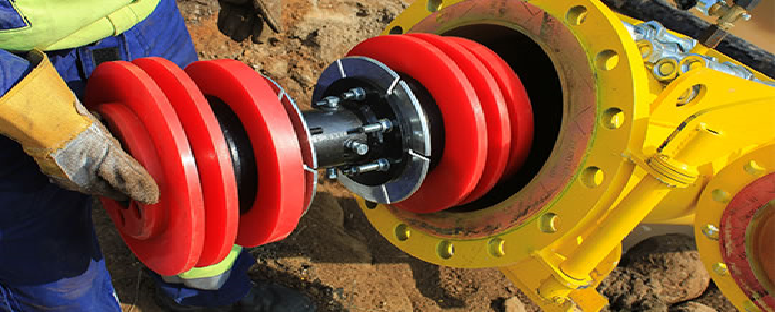
For foam pigs, specify an outside diameter 5-10 percent larger than the measured internal bore of the pipeline. This compression creates the contact seal that drives both cleaning and liquid removal. Confirm the measured internal diameter from the pipe specification sheet or as-built drawings, because wall thickness varies and the nominal pipe size is not the internal diameter.
For a dual-diameter line, a standard single-bore pig cannot maintain contact across a bore transition. Either a dual diameter pig is needed, or separate pig runs are planned for each section.
Pig Selection Checklist
- Define the objective. Cleaning, dewatering, separation or gauging. This alone eliminates most pig types, and every later stage of pipeline pig selection follows from this first answer.
- Confirm the line is piggable. Full-bore valves, minimum bend radii, consistent bore. If not, foam is the only viable option.
- Set the density from the deposit type and the pressure differential you can hold.
- Select the coating. Bare open-cell foam for line proving and drying; criss-cross coating for general cleaning; wire brush or carbide coating for heavy scale.
- Size against the measured bore, with the 5-10 percent compression allowance for foam.
- Check the run length against the pig’s abrasion rate and flex life, and confirm the trap arrangement is rated for the differential pressure.
Typical Applications
Pipeline pig selection maps directly onto four recurring jobs in oil, gas, water and product pipelines. Commissioning uses a low density bare foam pig to prove the bore and prove the launcher and receiver. Hydrotest dewatering uses a foam pig sequence, increasing density between passes. Operational cleaning uses a medium density criss-cross coated foam pig or a disc pig. Pre-inspection qualification uses a gauging pig before any inline inspection tool enters the line.
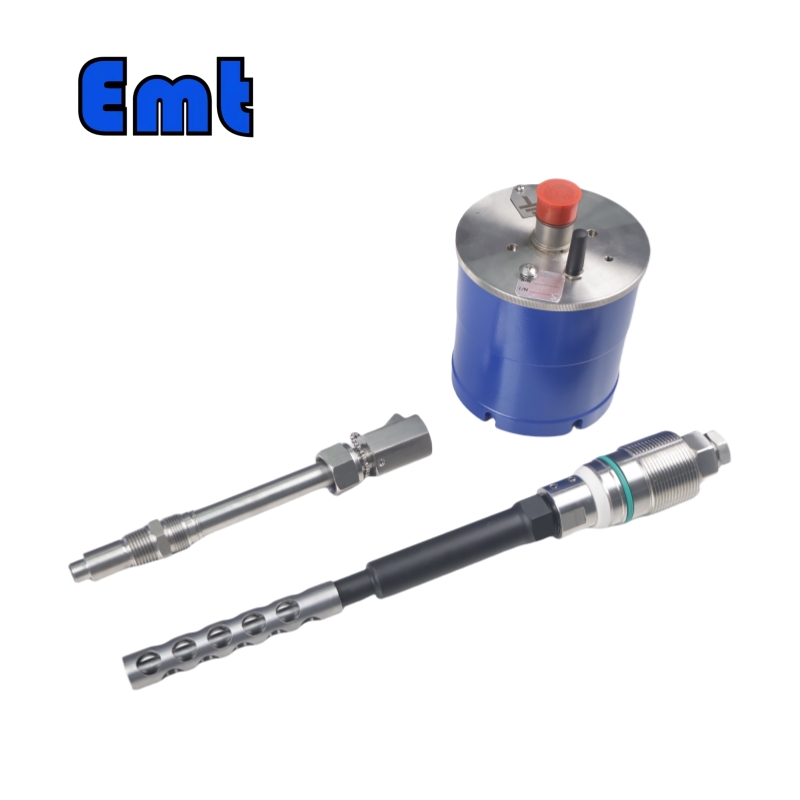
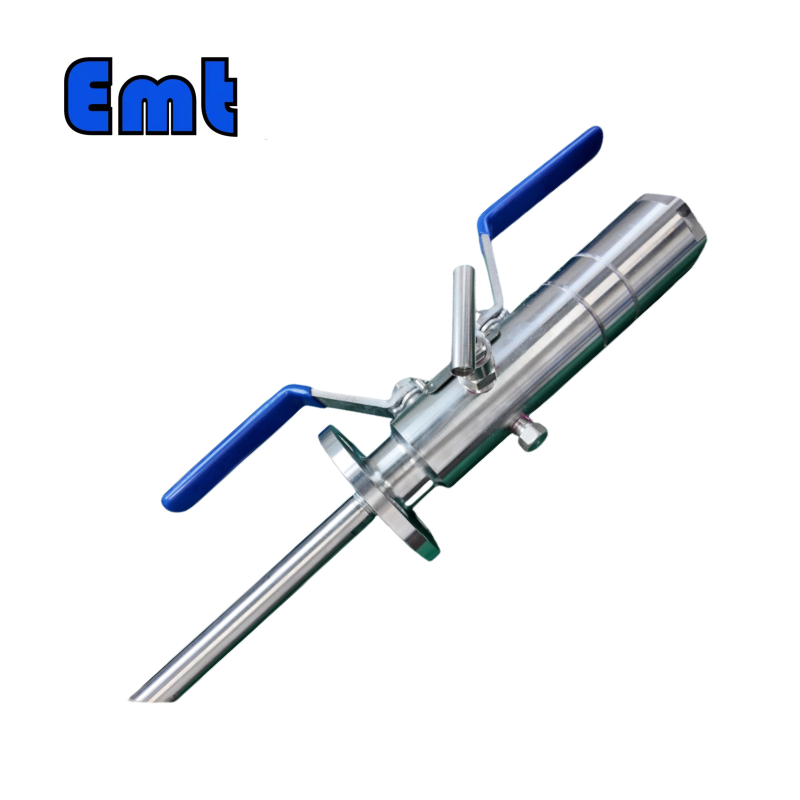
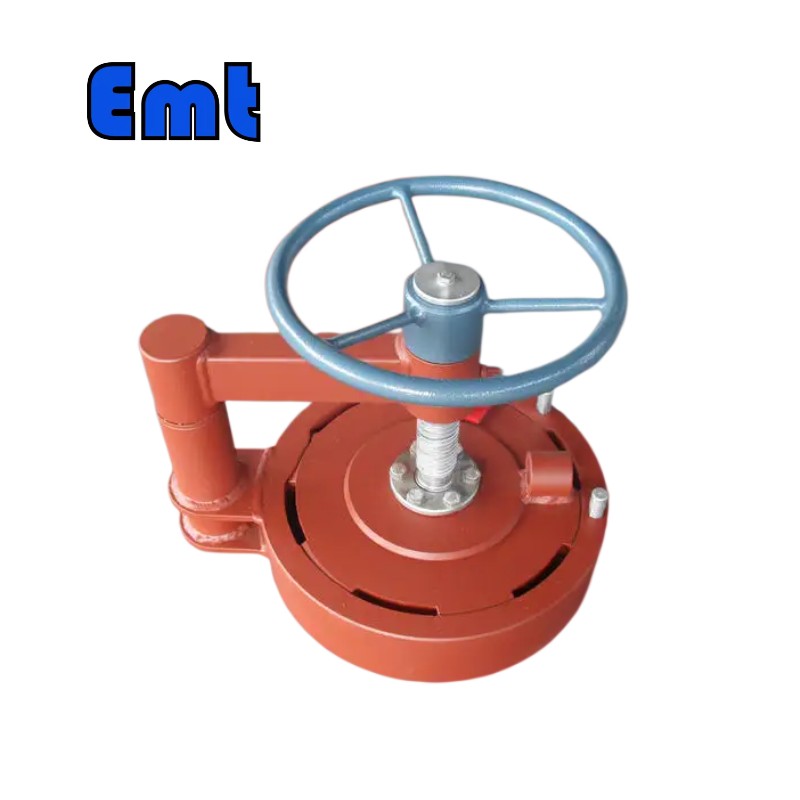
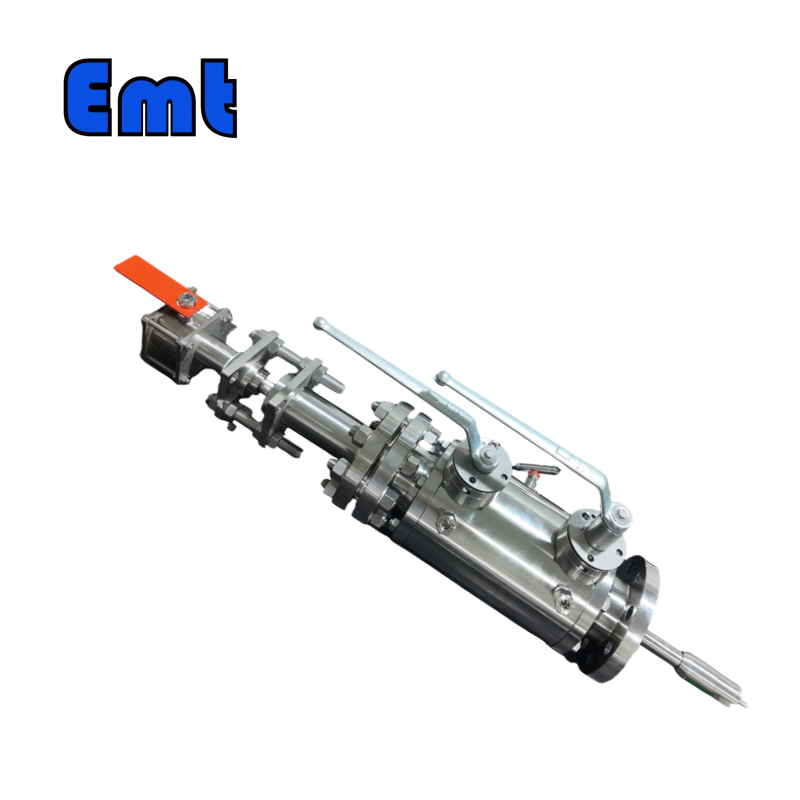
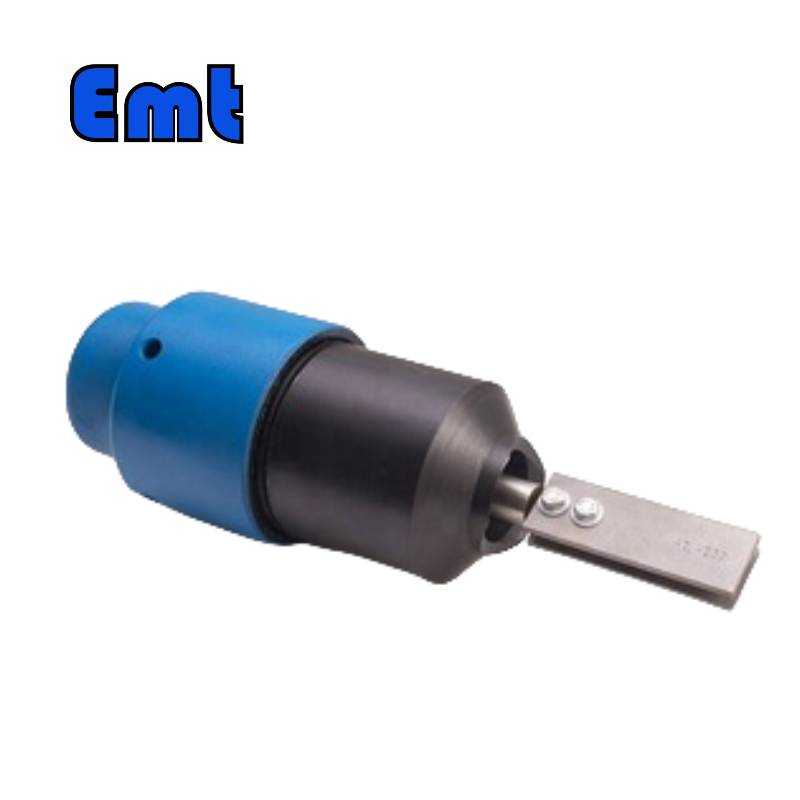
EMT supplies foam pigs, solid cast cleaning pigs, disc and cup mechanical pigs, and gauging pigs, together with the pig traps, quick opening closures and signallers that make a pigging run work. Related EMT products include the pipeline pigs range, the quick opening closure fitted to each trap, the pig signallers that confirm passage, and the DBB valve used to isolate a removable signaller under pressure. Pig signallers and quick opening closures are specified together with the pig because a pig that cannot be launched or received is a pig that never runs.
FAQ
What is the most common type of pipeline pig used in pipeline commissioning?
Foam pigs, in particular low density bare and low density fully coated grades. Their flexibility lets them pass obstructions that would stop a mechanical pig, which is why they are the default choice for new pipeline proving, dewatering and drying.
Can a foam pig run in a pipeline that is not fully piggable?
Yes, and this is the main reason to specify one. A foam pig compresses to pass through tight bends, weld intrusions, partial bore reductions and non-full-bore valves. It must still be sized to the tightest restriction in the line, and a pig qualification trial is advisable before running in an unfamiliar pipeline.
How much larger than the pipe bore should a foam pig be?
Typically 5 to 10 percent larger in outside diameter than the measured internal bore. The resulting compression is what creates the seal. Always size against the measured internal diameter rather than the nominal pipe size, since wall thickness varies.
Do I need to clean the pipeline before running an inline inspection pig?
Yes. An inspection tool needs a clean, unobstructed bore to make contact and record accurate data. Foam and mechanical pigging to remove debris, scale and internal deposits is standard preparation before an ILI run.
Should I start with a light pig or an aggressive pig?
Light. Running a second, more aggressive pig after a light proving pass is straightforward. Recovering a stuck aggressive pig from a long line is not. On any line of unknown condition, begin with a low density bare foam pig.
What is the difference between a disc pig and a cup pig?
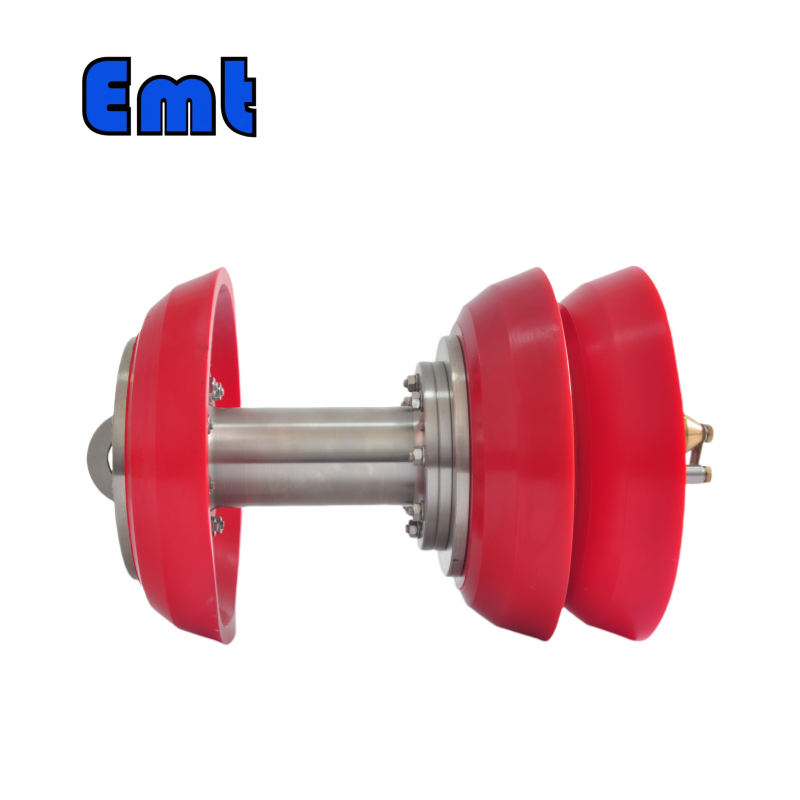
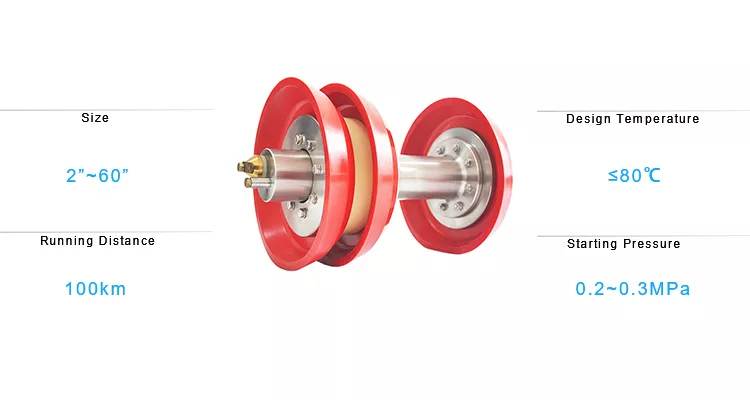
Both are mechanical mandrel pigs, but they use different sealing elements. Disc pigs use flat polyurethane discs for a positive seal and are bi-directional by design. Cup pigs use shaped polyurethane cups that generate higher differential pressure and a superior liquid seal, which makes them preferable for large diameter pipelines and high-pressure dewatering. Cup pigs are directional and must be inserted with the cup opening facing the rear of the pig run.
Can a standard pig work in a pipeline that changes diameter?
Not reliably. A standard pig is manufactured to a single bore size and cannot maintain effective contact across a bore transition. A dual diameter pig, or separate pig runs for each section, is required.
What pressure differential can EMT foam pigs handle?
Up to 7 MPa (1,015 psi) differential for the poly-coated foam pig family, with a minimum bend radius of 1.5D and a flex life of 50,000 cycles. Density is available from 35 to 220 kg/m3. The specific rating for your run should be confirmed against the operating condition at order stage.
Related EMT products
Related items in the same pigging package include the quick opening closure on the pig trap, the pig signaller that confirms passage, and the pig trap itself. EMT supplies these with the pig so the whole run is documented under one order.
Reviews
There are no reviews yet.