

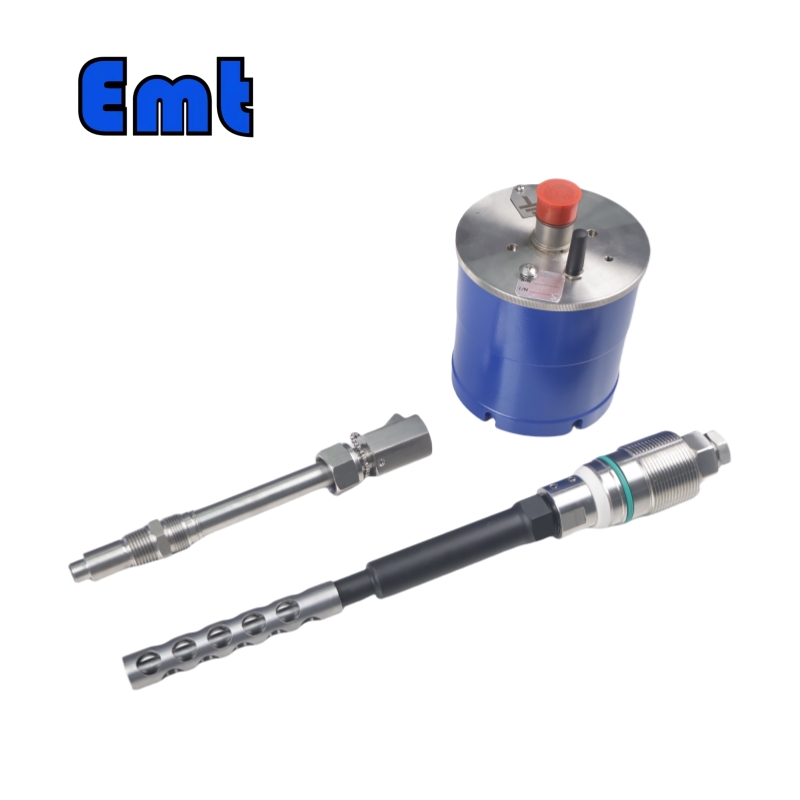
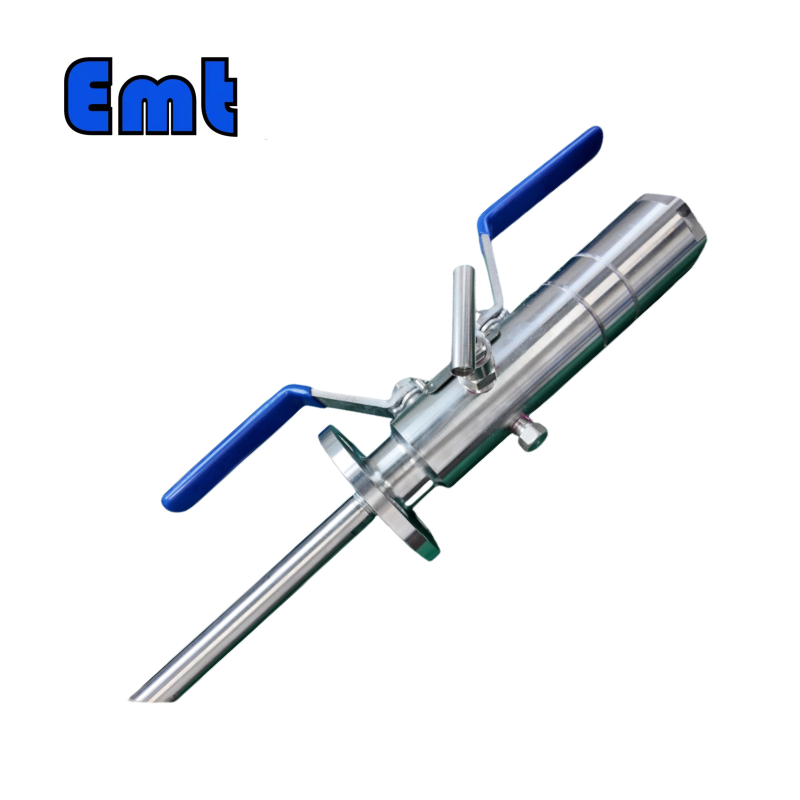
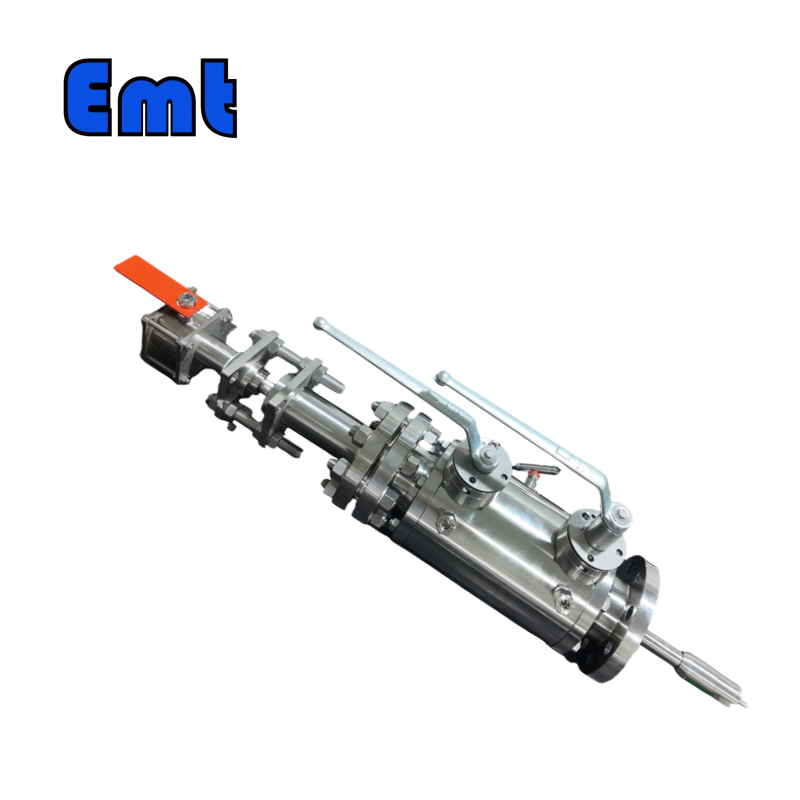
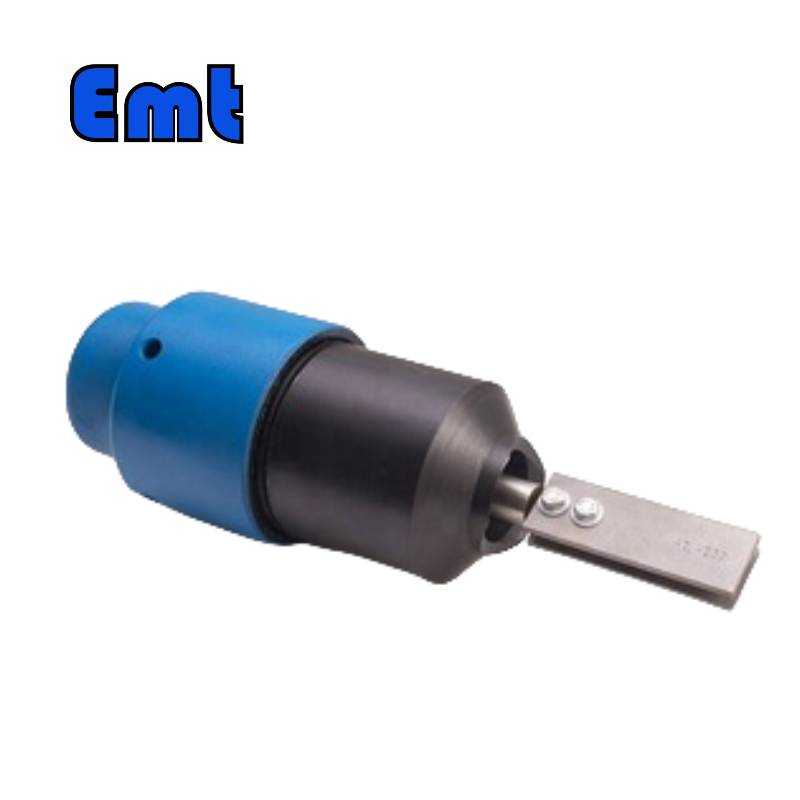


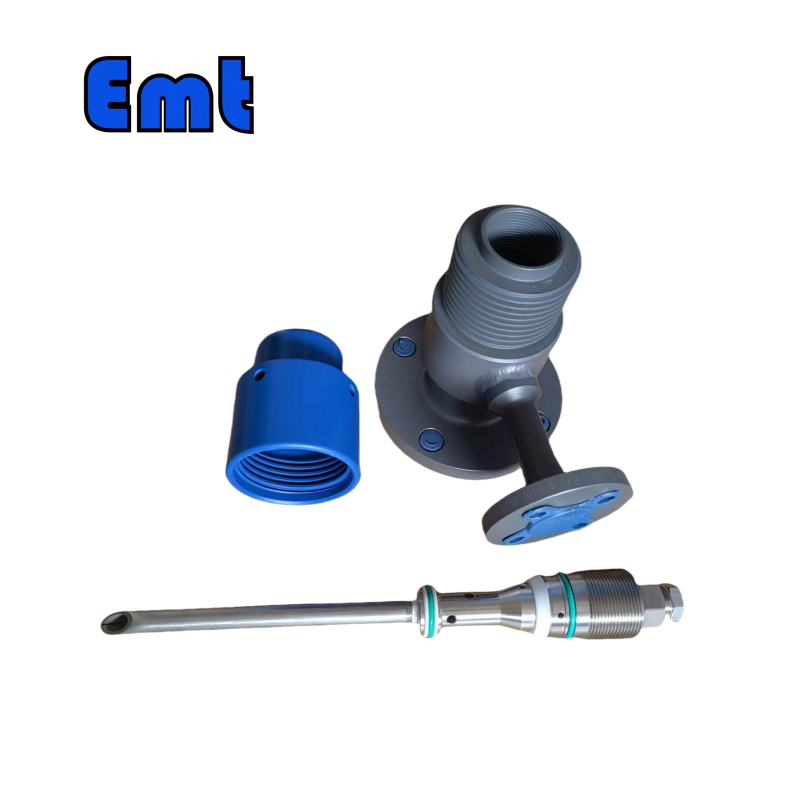
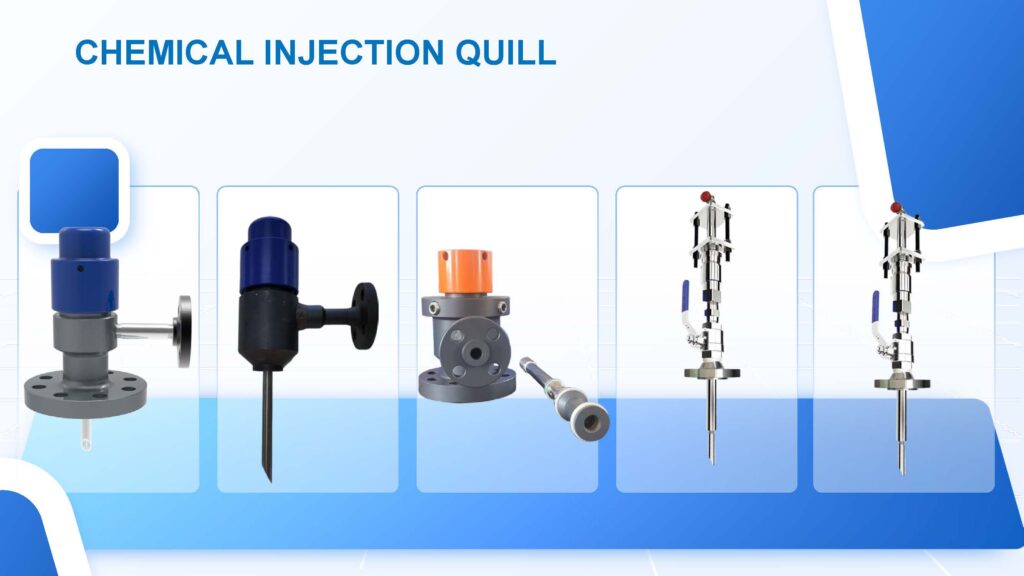
A flange mounted chemical injector is a quill that adds corrosion inhibitor or sample to a pipeline through an ANSI flange. EMT fits a check valve as standard and offers a double block and bleed option, with carbon or stainless wetted parts.
Introduction
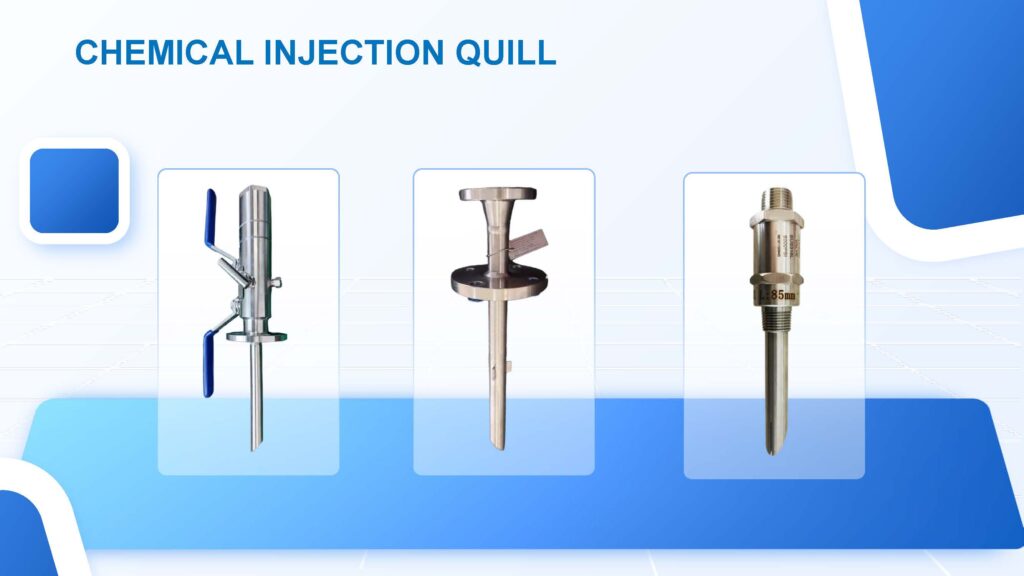
A flange mounted chemical injector is how you protect a line without stopping it. EMT bolts the quill to a prepared flange, runs the injection tube into the flow, and meters inhibitor past a check valve that stops back-flow. The flange base means no weld and a pressure class that matches the pipe. For lines that also sample, the same fitting takes a dropper that both doses and draws.
Nozzle Or Dropper
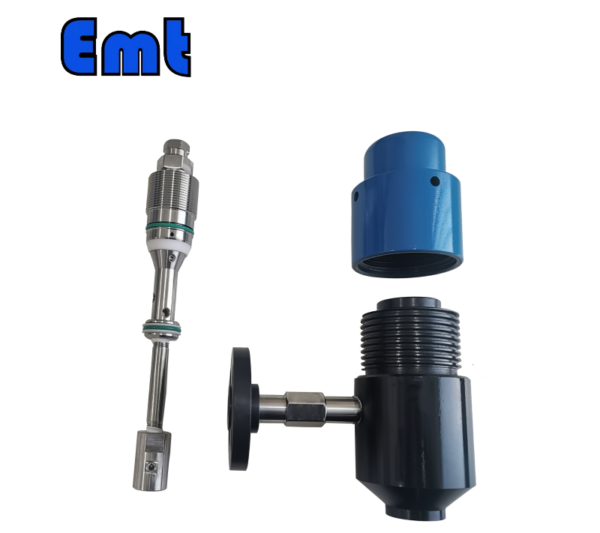
EMT supplies two duties. A nozzle only sprays chemical in, which is the common inhibitor duty. A dropper both sprays in and pulls a sample out, which suits lines where you inject and check from one point. Tell EMT which you need; the body and the quill differ between them.
Body And Material
The body is A105N carbon steel as standard, with 304 stainless, 316L stainless and duplex F51 available. The insert and the injection tube follow the wetted service. EMT needs the line medium, temperature and pressure to set the materials, and the insertion depth to size the quill so it reaches the flow without over-reaching.
Safety Valving
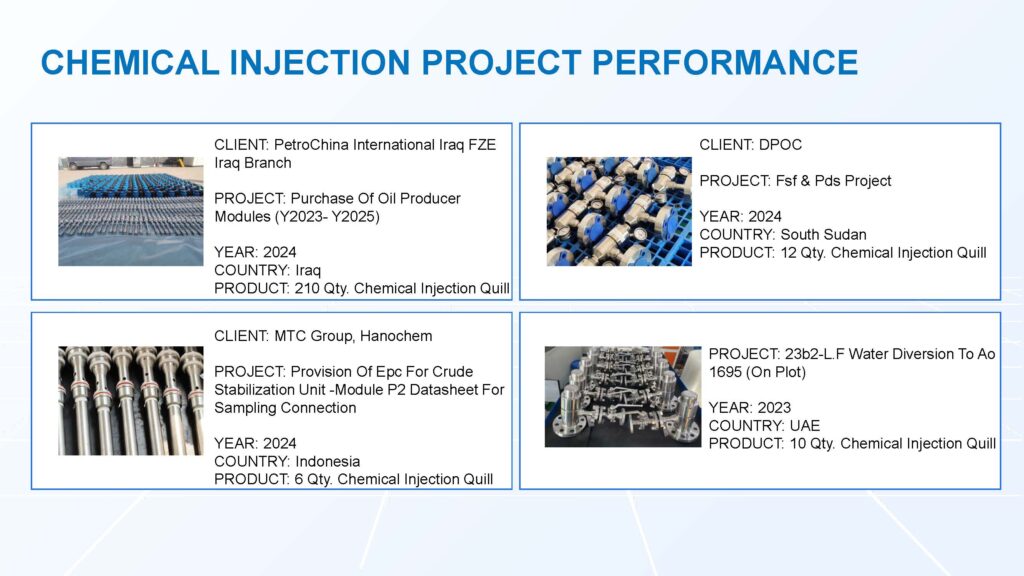
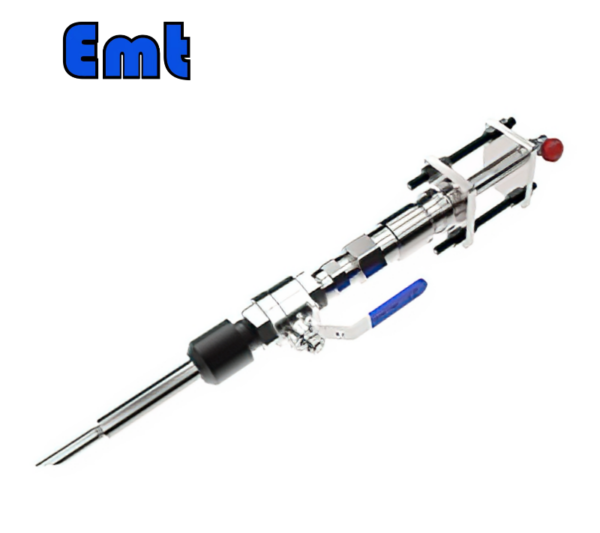
A one-way check valve sits in the path so the line cannot push back through the quill. For higher risk duties EMT adds a double block and bleed layout with an exhaust valve and two ball valves, which lets you isolate and vent before service. The main, side and connecting flanges are sized so the branch load stays within the line rating.
Flange And Fit
The injector connects on a flange, so the mating flange class and facing must match the pipe. EMT confirms the insertion depth per customer and the pipe size for welding variants. Keep the flange to the agreed standard so the bolt holes line up on site.
Key Features
- Flange base – No weld, matches line class.
- Check valve – Blocks back-flow from the line.
- DBB option – Double block and bleed for safe service.
- Material range – A105N, 304/316L, duplex F51.
- Nozzle or dropper – Dose only, or dose and sample.
- Custom quill – Insertion depth set per line.
Specifications
| Attribute | Value |
| Type | Chemical injection quill, flange connection |
| Body material | A105N (std), 304/316L SS, F51 duplex |
| Insert / tube | To wetted service (per medium) |
| Duty | Nozzle (inject) or dropper (inject + sample) |
| Valving | Check valve std; DBB + exhaust + 2 ball valves opt |
| Connection | Flange (class and facing per pipe) |
| Set by order | Insertion depth, pipe size, temperature, pressure |
FAQ
Does it need welding?
No. The flange base bolts to a prepared flange of the same class, so it fits a live line without a weld-in fitting.
Nozzle or dropper, which do I need?
Use a nozzle if you only add inhibitor. Use a dropper if you also want to draw a sample from the same point. They differ in body and quill, so state the duty at order.
How do you stop back-flow?
A one-way check valve sits in the path as standard. For riskier lines EMT adds a double block and bleed set with an exhaust and two ball valves so you can isolate and vent before work.
Reviews
There are no reviews yet.