

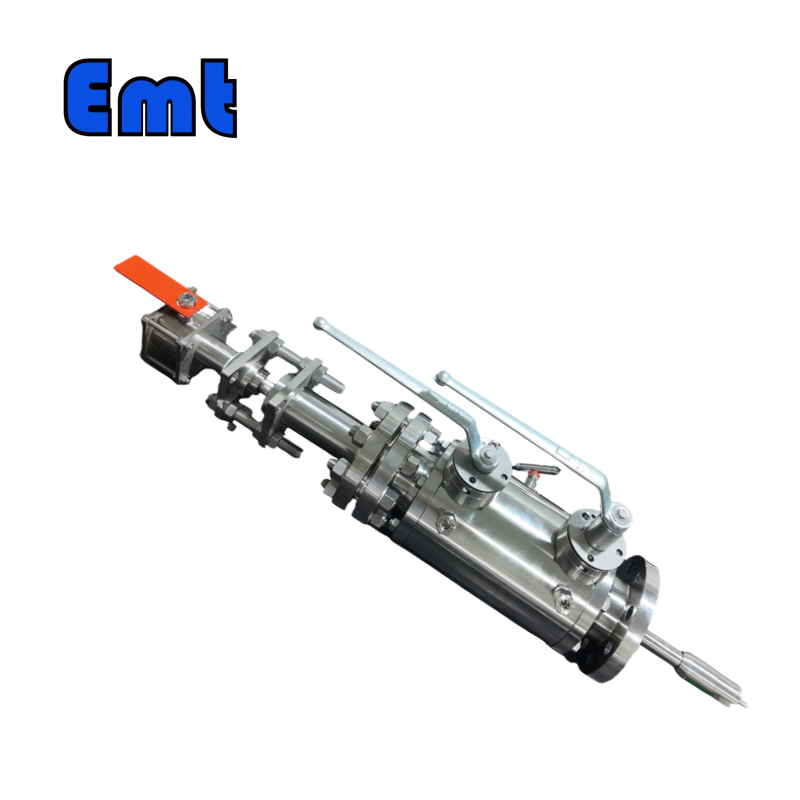
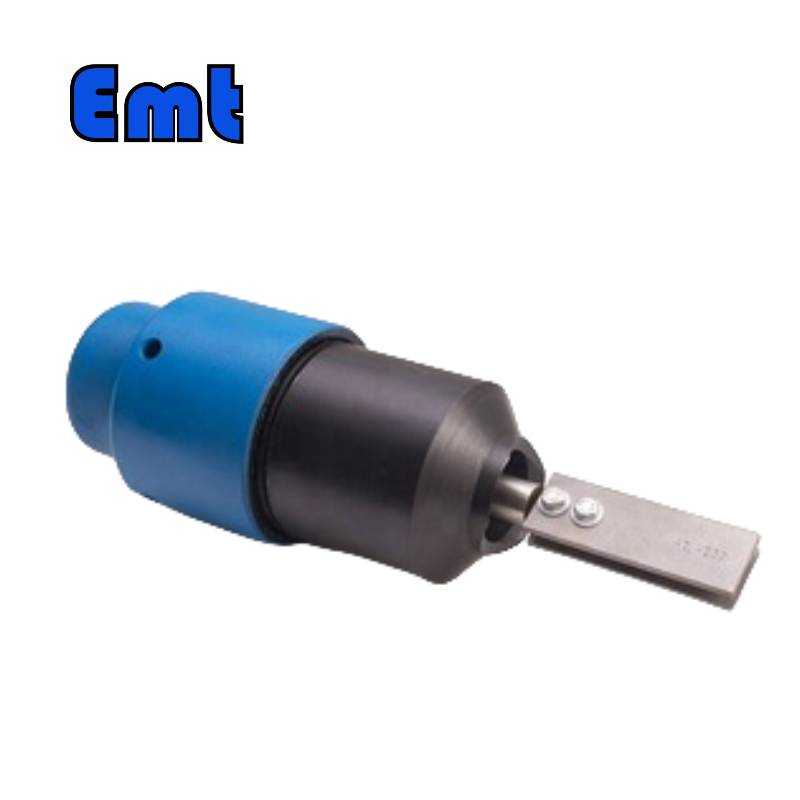


What Is A Pipeline Retrieval Tool?
A retrieval tool is the device that gets something back out of a pipeline. Once a corrosion coupon, a scraper or a piece of debris has been sent into the line, something has to bring it back, and in most cases that something is a retriever that runs on the flow and is caught in a trap.
The tool is simple in principle and unforgiving in detail. It has to be small enough to pass through whatever bore and bend radius the line has, strong enough to survive the trip, and compatible with whatever fitting is already installed for the purpose. It also has to work on a line that is in service, because the whole point of a retrievable monitoring point is that you can get the coupon out without taking the pipeline down.
What Do You Need A Retrieval Tool For?
| Application | What is being recovered | Notes |
|---|---|---|
| Corrosion coupon retrieval | Flush disc coupon after an exposure period | Double-acting hydraulic tool, install and retrieve under pressure |
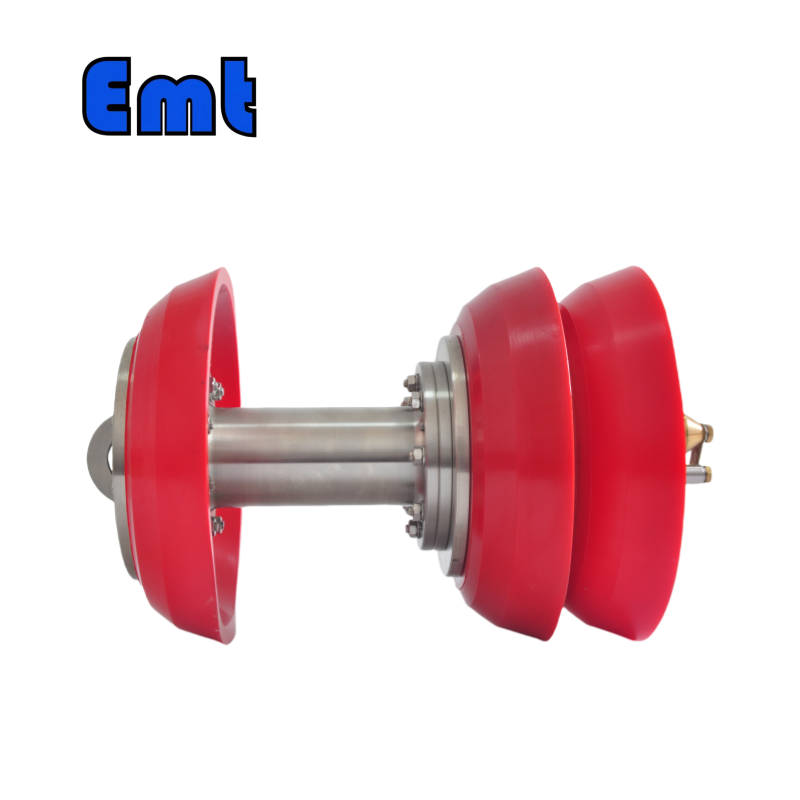
| Scraper recovery | Scraper that stopped or needs to be recovered | Check the trap and closure ratings against the tool size |
| Debris removal | Dropped tools, welding rod, mill scale | Magnetic versions for ferrous material |
| Tool recovery | A previous retriever that was lost in the line | Size must be selected against the trap, not the pipe |
| Sample recovery | Liquid or product samples | Chemical sampler bottles |
The corrosion coupon application is the most common and the one worth understanding first, because the retrievable coupon arrangement is the reason monitoring points can be installed on a live line at all.
How Does A Retrievable Coupon Arrangement Work?
The coupon is fixed on a plug, and the plug is run into the body of a monitoring access fitting. The coupon sits flush with the pipe wall, in the upper wall of a horizontal run, so the pig passes over it without interference.
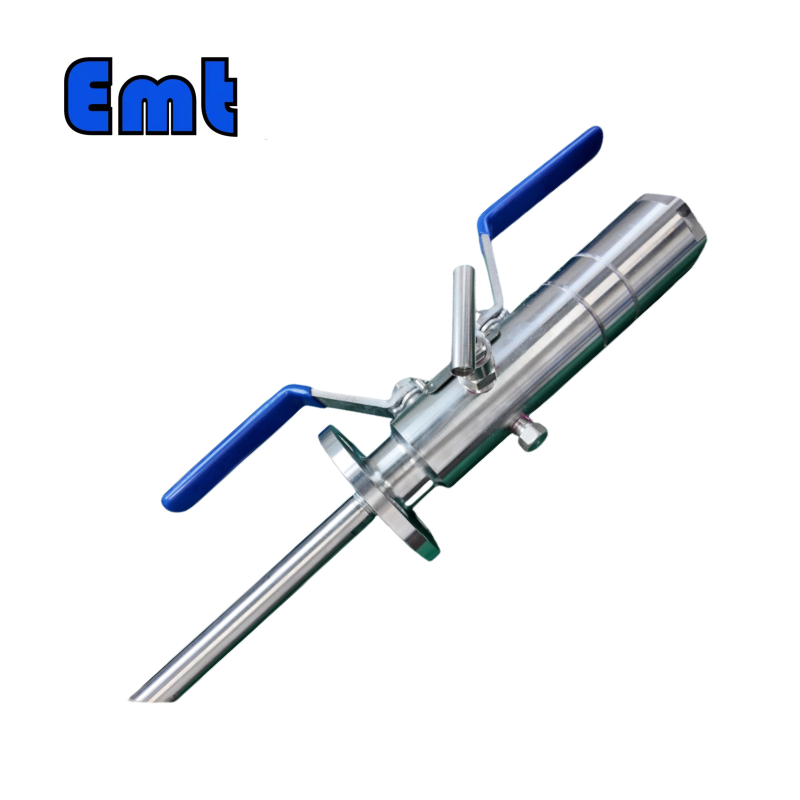
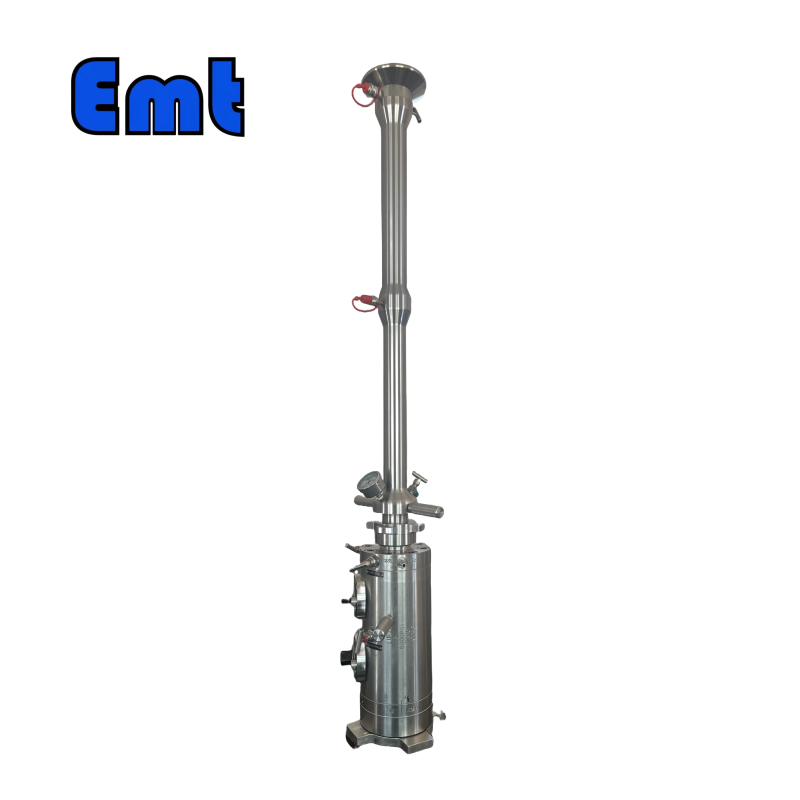
When the exposure period ends, the retrieval tool is inserted through the fitting, the plug is caught and the coupon is withdrawn. The tool then pulls itself back out against the flow, or is pushed out by the flow depending on the design. With a double-acting hydraulic tool, the same unit both installs and retrieves the coupon, and the operation is done under pressure without shutting the line down.
One detail catches people out on the first job. The tool has to be seal tested before it is trusted. Pressurise it and hold it for one to two minutes. The pressure has to stay stable. If it does not, the coupon comes out but the fitting does not hold, and the next operation is a leak in a live line.
Mechanical Versus Hydraulic: Which One?
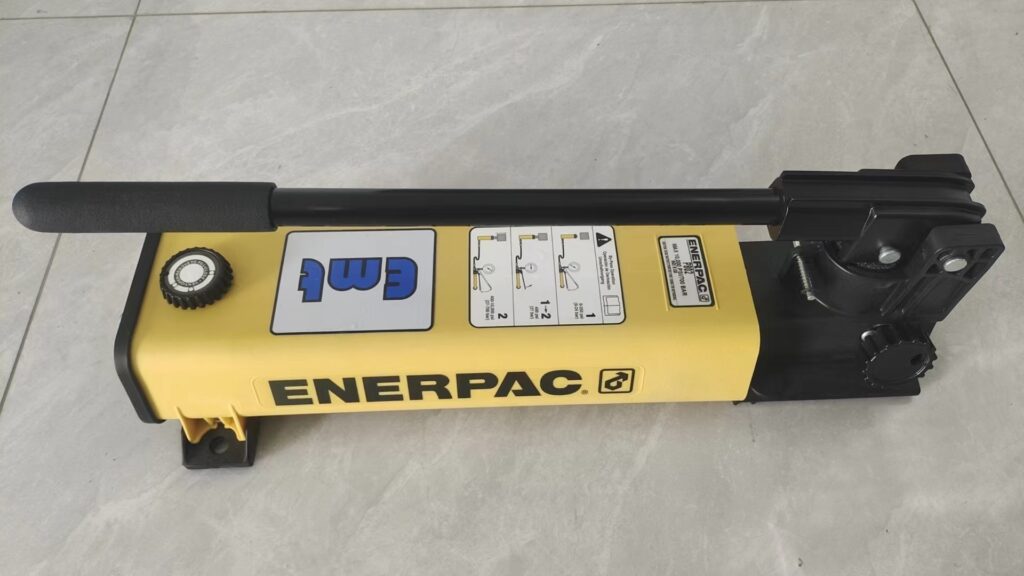
The two types are not interchangeable, and picking the wrong one is the most common specification mistake.
| Factor | Mechanical retriever | Hydraulic retriever |
|---|---|---|
| Drive | Manual mechanical, flow-driven or screw-driven | Double-acting hydraulic, manual pump |
| Line pressure | Best on low or zero differential pressure | Handles pressure against the tool |
| Installation and retrieval | Usually one direction only | Both, same tool |
| Coupon use | Limited | Standard method |
| Equipment needed | None | Manual hydraulic pump |
| Typical use | Recovering scrapers and dropped items | Corrosion coupon programmes |
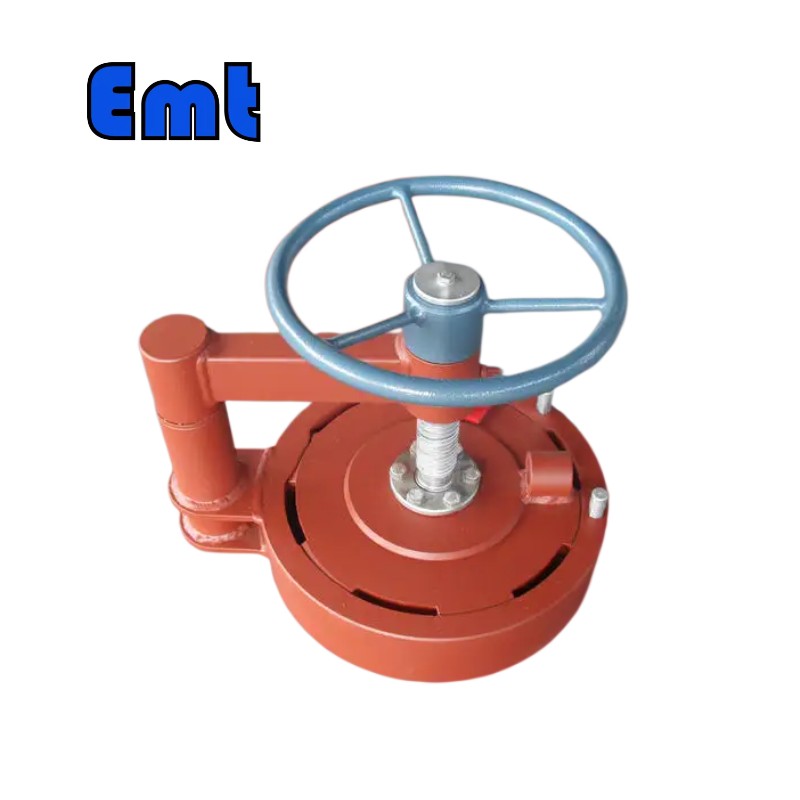
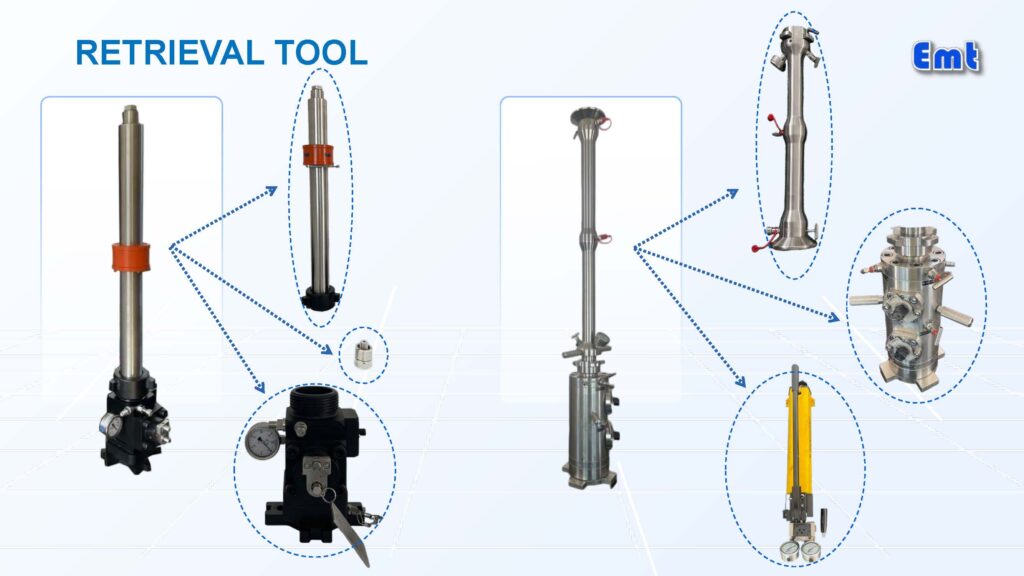
Mechanical retrievers win on simplicity and they are the right tool for recovering a stopped scraper or clearing debris. Hydraulic retrievers win wherever there is pressure to push against, which is most of the time on a working pipeline, and they are the standard arrangement for corrosion coupons because the same tool both installs and recovers.
Mechanical Retriever Dimensions
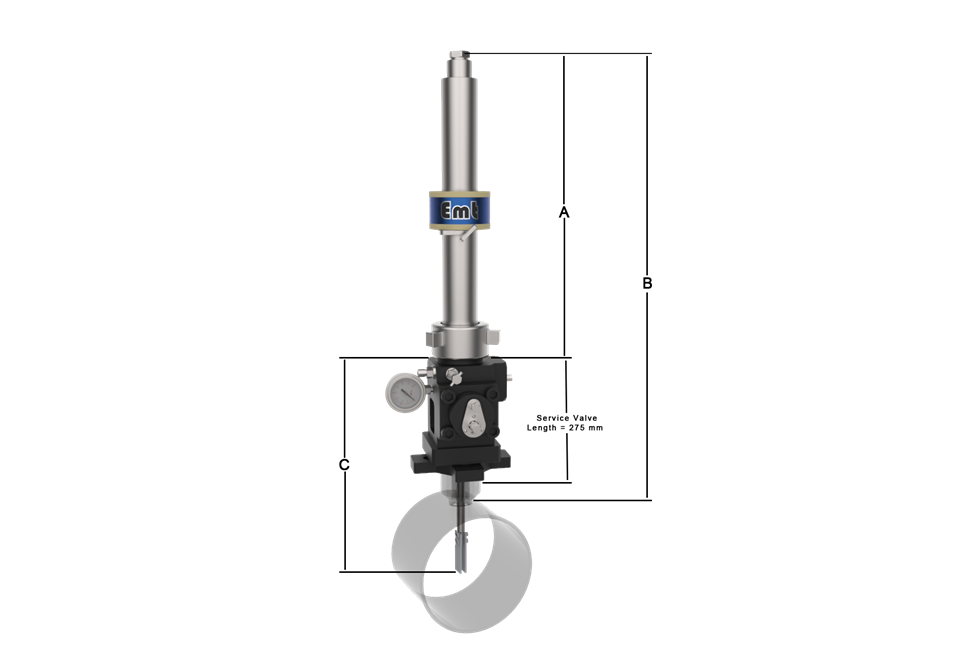
Size selection is not a matter of matching the pipe. The tool has to pass through the fitting it will be launched from, and the fitting is what limits the diameter. EMT mechanical retrievers come in three standard sizes:
| Model | Max pipe size | Retriever length (A) | Retriever + valve (B) | Insertion depth (C) | Weight |
|---|---|---|---|---|---|
| EMT-WRTV-12 | 12 inch (DN300) | 710 mm | 985 mm | 460 mm | 25.4 kg |
| EMT-WRTV-24 | 24 inch | 1000 mm | 1275 mm | 750 mm | 27.6 kg |
| EMT-WRTV-36 | 36 inch | 1300 mm | 1575 mm | 1050 mm | 30.0 kg |
Note how the insertion depth grows faster than the pipe size. The 12 inch tool reaches 460 mm into the line, the 24 inch reaches 750 mm, and the 36 inch reaches 1050 mm. That number has to clear whatever is in the way, whether that is a weld, a bend or the coupon itself. A tool that reaches the pipe and not the coupon is a tool that comes back empty.
What To Check Before You Order
- The fitting bore. The limiting dimension is the access fitting the tool passes through, not the pipe. Confirm it against the tool’s maximum passage.
- The insertion depth against the line geometry. Where the fitting sits relative to bends, risers and welds determines whether the tool can reach the coupon at all.
- The trap and closure rating. The tool is launched through a closure, and the closure has to be rated for the pressure and the tool has to fit its opening.
- Pressure differential. High pressure against the tool favours the hydraulic type. Low differential favours the mechanical type.
- Material compatibility. The tool spends its life in the process. Coupons come in SS316 and other alloys matched to the pipe material, and the tool should be matched to the same service.
- The seal test procedure. Include it in the operating instructions. Pressurise and hold for one to two minutes, and confirm the pressure stays stable before the tool goes into a live line.
Typical Applications
Retrieval tools are used in corrosion monitoring programmes to recover coupons from live lines, in pigging operations to recover stopped scrapers, and in maintenance work to clear dropped items from a line. On a pipeline where the monitoring point has to stay in service, the retrieval tool is what makes the monitoring point possible in the first place.
EMT supplies the mechanical retrievers in three sizes, the double-acting hydraulic coupon retrieval tool, the coupon holders and monitoring access fittings the coupon lives in, and the coupons themselves.
FAQ
What is a retrieval tool used for?
Recovering something from inside a pipeline while it stays in service. The common uses are retrieving a corrosion coupon at the end of its exposure period, recovering a stopped scraper, and clearing dropped items such as welding rod or mill scale. Magnetic versions are used where the item is ferrous.
Can a coupon be retrieved without shutting down the pipeline?
Yes, that is the point of the retrievable arrangement. The coupon sits on a plug in a monitoring access fitting, and a double-acting hydraulic tool catches the plug and pulls it back out under pressure. The line keeps running throughout.
Mechanical or hydraulic retrieval tool, which one?
Hydraulic for corrosion coupons, because the same tool installs and recovers and it handles pressure against the tool. Mechanical for recovering scrapers and debris on low differential pressure lines, where it is simpler and needs no pump. Choosing on price alone is the common mistake, because a mechanical tool in a pressurised line is the wrong tool.
How do I know which size retriever to order?
By the access fitting bore and the insertion depth, not by the pipe diameter. The tool has to pass through the fitting and reach the coupon position. EMT mechanical retrievers cover 12 inch, 24 inch and 36 inch pipe with insertion depths of 460 mm, 750 mm and 1050 mm respectively. Check the insertion depth against the line geometry before ordering.
What must be tested before using a retrieval tool?
The seal. Pressurise the tool and hold it for one to two minutes, and confirm the pressure stays stable. A leaking tool will bring the coupon out and then leave a leak in a live line, which is a far bigger problem than the one you were solving.
Are retrieval tools magnetic?
Some of them are. Magnetic retrieval tools are used to pick up ferrous debris, including dropped tools and mill scale, where a mechanical grapple would not hold the item. They are not used for recovering a coupon, which is positively captured by a plug and a catch.
Related EMT products
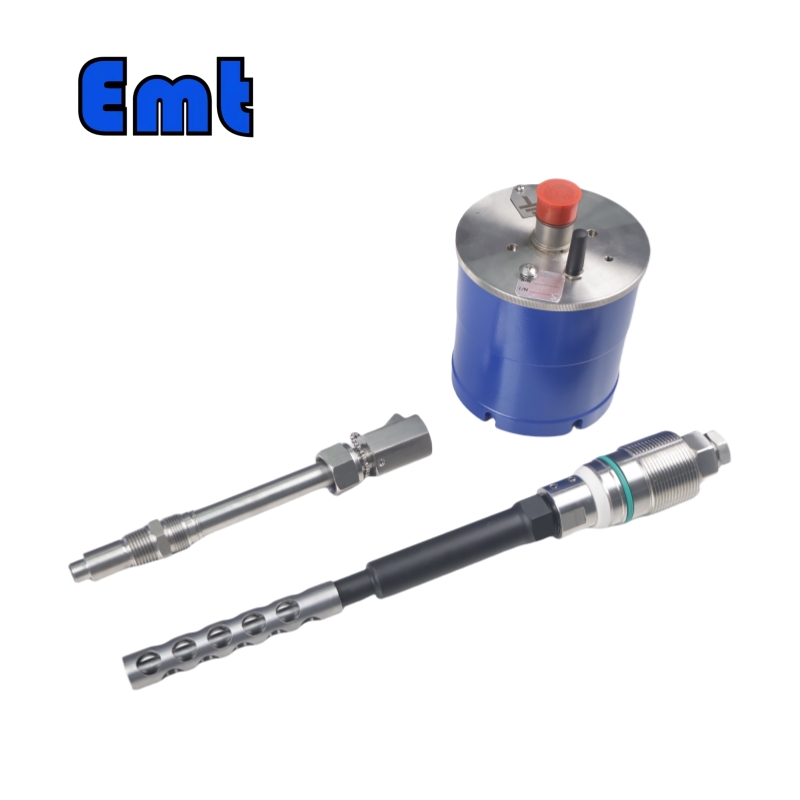
Related items in the same package include the mechanical retrieval tool in three sizes, the hydraulic retrieval tool for coupons, the corrosion coupon holder that the tool retrieves, and the corrosion monitoring access fitting the whole assembly works through.
Reviews
There are no reviews yet.