



A DBB valve isolates using two blocking valves and a bleed port between them, which makes it fast and verifiable but dependent on seat integrity. A spectacle blind isolates by physically inserting a solid plate across the bore, which is positive isolation with no leak path. DBB is right for routine, frequent, temporary isolation. Spectacle blind is right when the isolated equipment will be opened, entered, welded, or left out of service for a long shutdown. A combined DBB with a line blind gives both, plus a self-locking interlock that prevents the blind being moved unless the valves are closed.
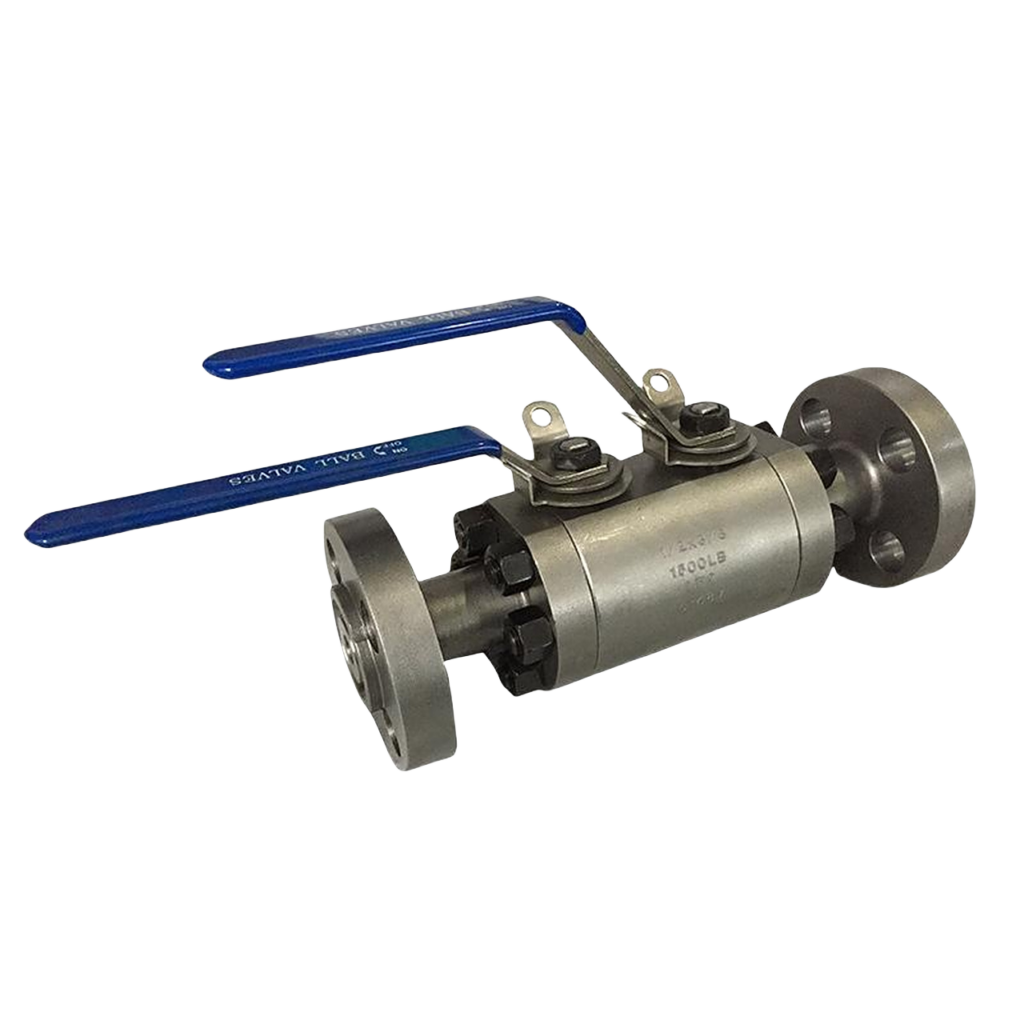
DBB Valve vs Spectacle Blind: Two Definitions
DBB valve vs spectacle blind is one of the most consequential isolation decisions on a pipeline, because the two devices justify different levels of risk acceptance. Both are used to stop flow so that work can be done safely, and both are recognised by industry standards. The difference is not a matter of one sealing better than the other. It is a difference in what the safety case rests on.
A DBB valve rests on proven isolation. Two separate blocking elements are closed and a bleed path between them is opened. The bleed port is what turns an assumption into a verification: if the bleed runs dry, there is no trapped pressure and neither seat is passing. The weakness is equally clear. The isolation depends on two seats remaining intact, and seats degrade over time from coke, catalyst fines, thermal cycling, corrosion or debris.
A blind of this kind rests on positive isolation. A solid plate rotates 90 degrees across the full bore, physically separating the upstream and downstream sides. There is no seat and no seal ring in the flow path, so there is no leak path to fail. The weakness is different: the plate must be physically present, and its position must be verified.
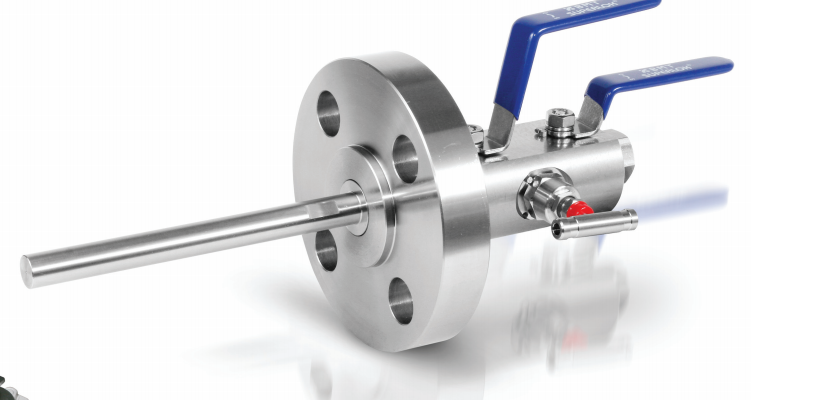
Comparison Of The Two Methods
| Factor | DBB valve | Spectacle blind |
|---|---|---|
| Isolation type | Proven, relies on valve seats | Positive, physical plate breaks bore continuity |
| Leakage risk | Depends on seat condition over time | None through the bore |
| Time to operate | Fast, close two valves and open a bleed | 30 to 45 minutes, unbolt the flange joint |
| Personnel required | One operator | Two or more pipefitters |
| Visual confirmation | Indirect, through the bleed | Direct, plate position is visible |
| Permanently installed | Yes | No, removable |
| Best for | Routine, frequent, temporary isolation | Long-term or critical maintenance |
| Standard reference | API 6D | API and ASME positive isolation |
Where A DBB Valve Earns Its Place
In the DBB valve vs spectacle blind comparison, the DBB wins on speed and convenience. That is a genuine advantage when isolation is routine and the line has to be back in service quickly.
DBB is attractive because it reduces downtime. A compact DBB assembly can isolate, bleed and verify without removing a spool or installing a separate blind flange. On a unit with many small-bore connections, drains, vents, sampling points and instrument take-offs, that speed matters.
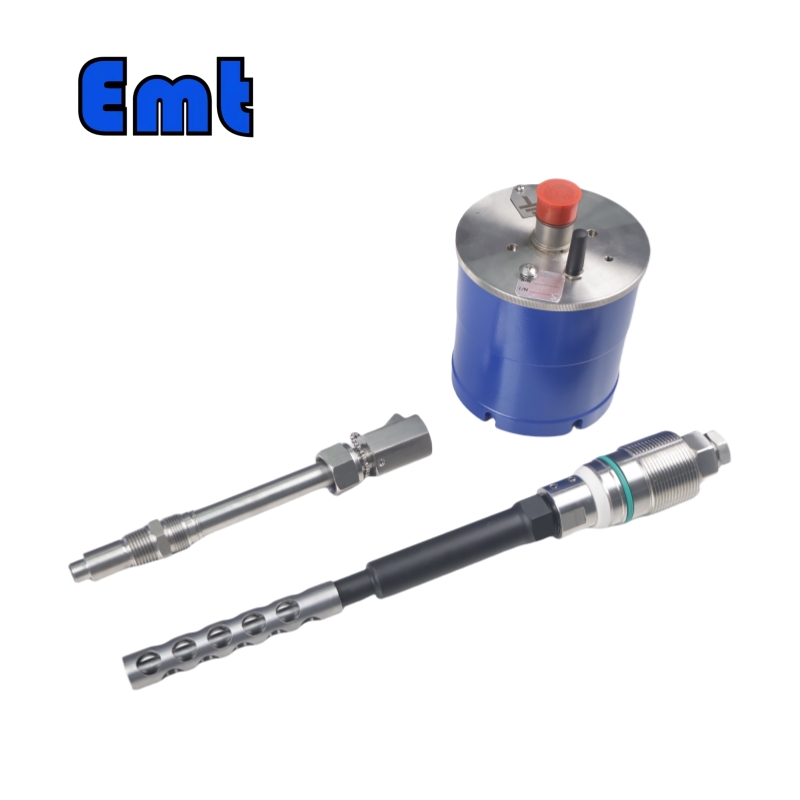
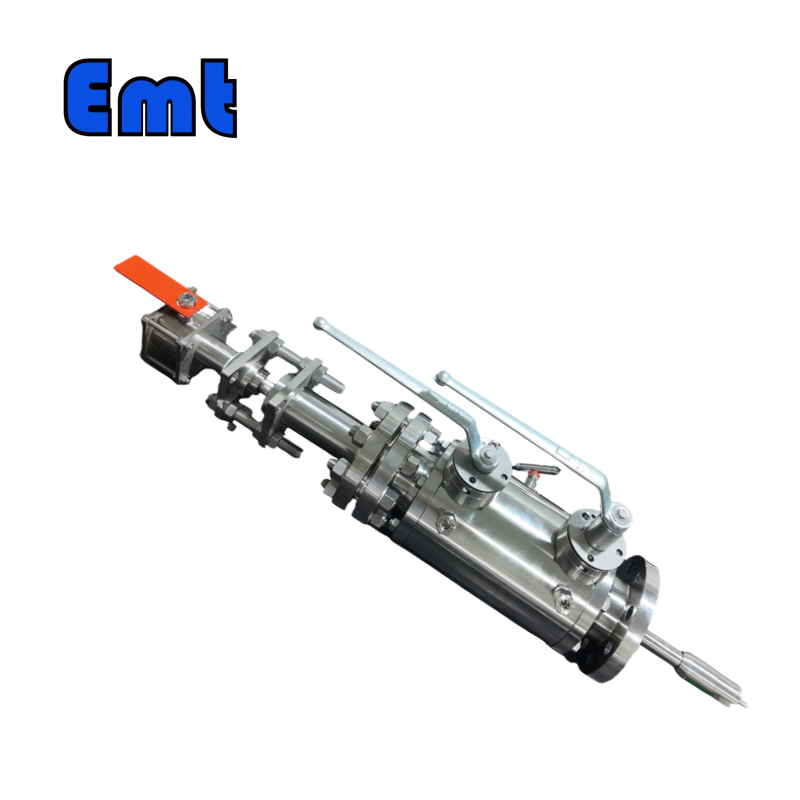
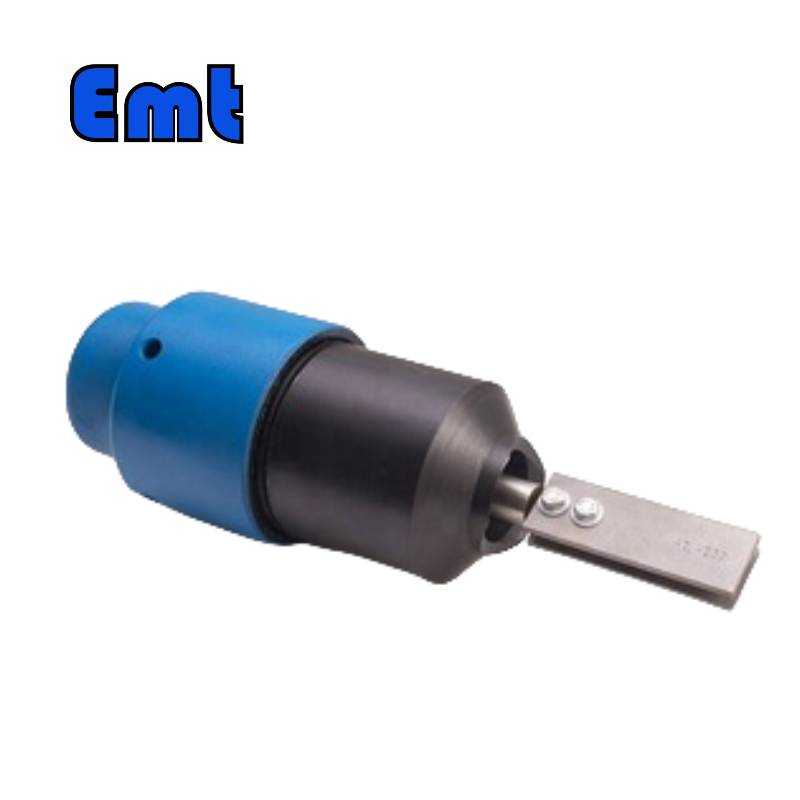
There is one EMT application where the DBB is not a general isolation device but part of a specific pigging system. EMT supplies a DBB valve with an integrated pig signaller, where the function is to isolate and vent a removable signaller under pressure, so the signaller can be serviced without shutting the line down. The assembly comes with a simple retriever and two fully threaded studs, in forged steel, ASME-rated, manufactured under an ASME U Stamp quality programme.
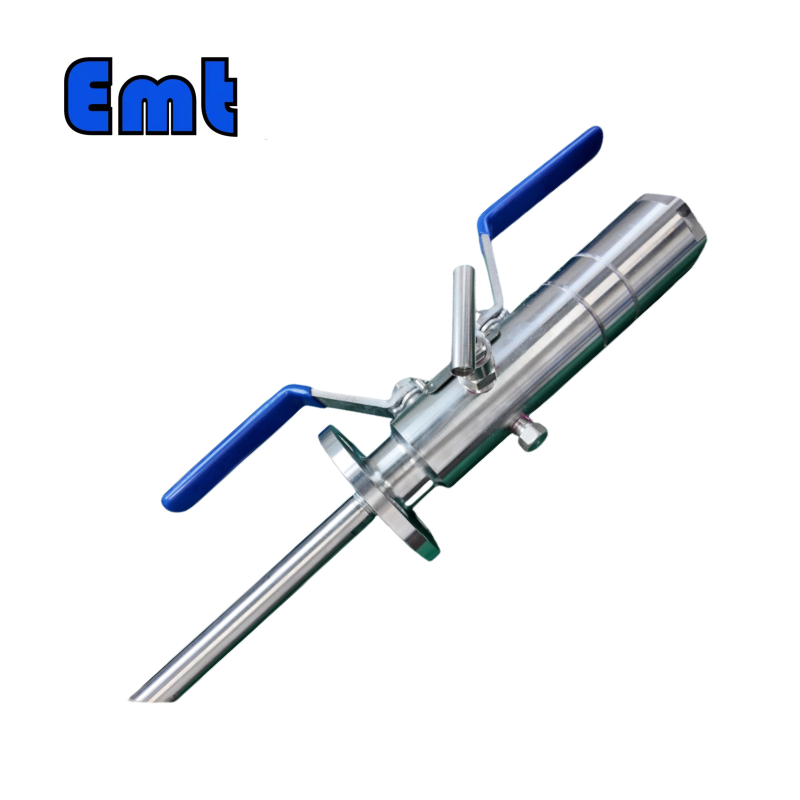
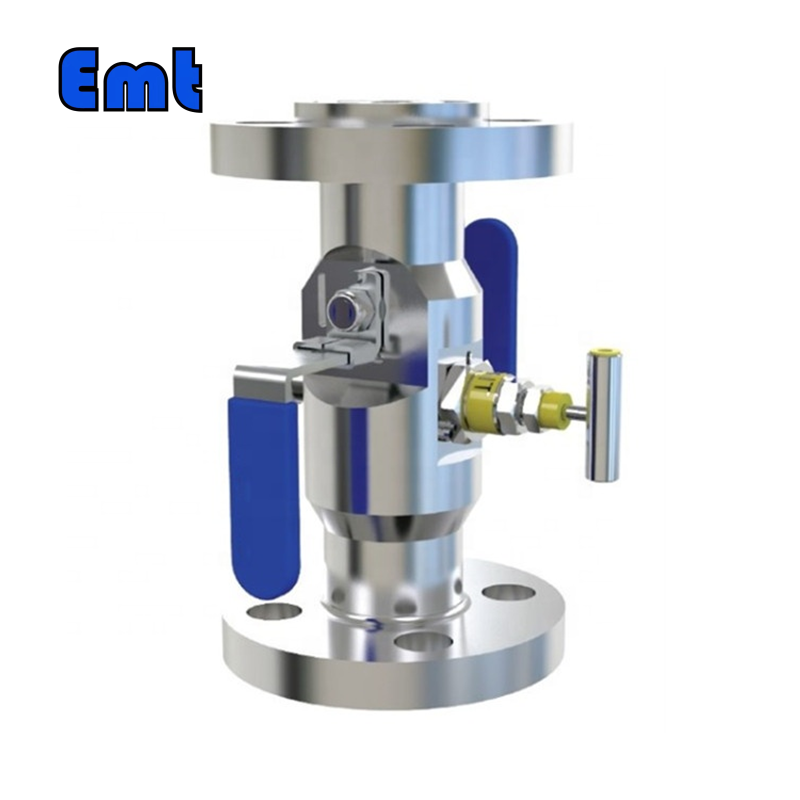
EMT also supplies a compact twin-valve DBB in sizes from 2 inch to 24 inch (DN50 to DN600), with an integrated vent that drains trapped pressure between the seals.
For the general isolation case, the risk with DBB is that its safety case still depends on seat integrity, correct bleed routing, pressure monitoring and disciplined lockout practice. If the bleed is not routed to a safe location, it may create a release hazard. If operators close two valves but do not prove the bleed, the system may only look isolated.
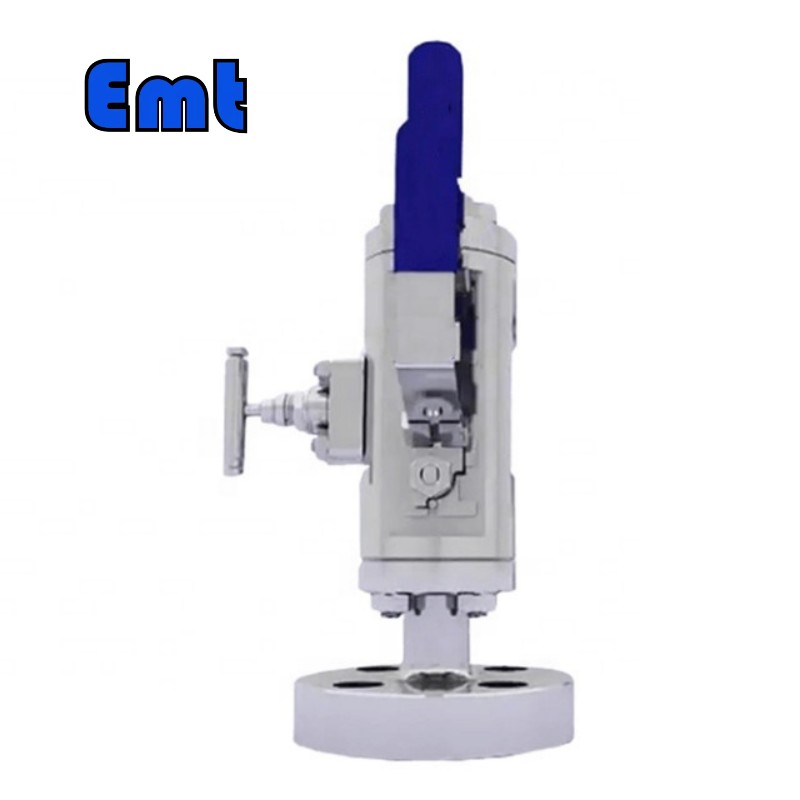
Where A Spectacle Blind Is Hard To Replace
The other side of the DBB valve vs spectacle blind comparison is where the physical barrier earns its cost. Once the isolated equipment will be opened, entered or welded, the argument changes completely.
A spectacle blind becomes the stronger choice when the job needs visible physical separation from a live or potentially live system. If the isolated equipment will be opened, entered, welded, cleaned, or left out of service for a long shutdown window, a solid plate reduces dependence on seat tightness.
The positive aspect is that the isolation status is physically obvious. In the blind position the plate blocks the bore; in the open position the spacer or open port allows flow. That makes verification straightforward for the permit-to-work authority and for the maintenance team during shutdown preparation.
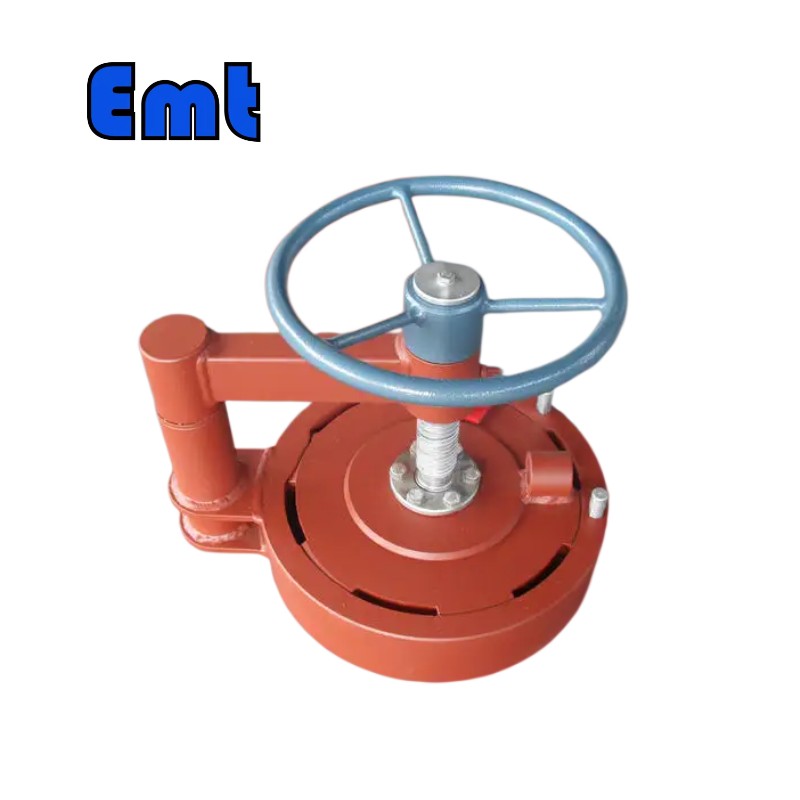
The trade-off is mechanical and spatial. A swing type blind needs clearance for the plate movement, and a sliding type blind needs side travel, guides and access for operation and inspection. Larger sizes, higher pressure classes, hot service or sticky hydrocarbon media may require gear, hydraulic, pneumatic or electric operation. The valve body, blind plate, seal material, bolting, locking device, position indication and test record all become part of the isolation decision.
A line blind does not remove the need for gas testing, permit control, draining, venting or lockout. It gives the procedure a more defensible physical barrier.
The Combined Solution
Because each method has a real strength, a third configuration is worth knowing about. A combined DBB and line blind unit has two valves as a standard DBB, with a quick action line blind positioned between them. A self-locking plate prevents line blind operation if the valves are not closed.
This eliminates two risks at once. It removes the possibility of a human error sequence that moves the blind while the valves are open, and it removes the leak path between the two valves. For applications that carry the highest consequences, that combination is usually worth the extra hardware.
FAQ
What is the difference between a DBB valve and a line blind?
A DBB valve isolates using two blocking valves with a bleed port between them, which is fast and verifiable but depends on seat integrity. A spectacle blind isolates by inserting a solid metal plate across the bore, which is positive isolation with no leak path. The blind takes longer to fit and remove but gives a visible, physical barrier.
Which is safer for long-term maintenance on a critical pipeline?
The blind, using positive isolation. Its isolation does not depend on two seats remaining tight over time, and the plate position is visible to the permit-to-work authority. A DBB is faster and more convenient for routine temporary isolation. But a long shutdown on a critical line is better served by a positive barrier.
How long does it take to change a blind compared with a DBB?
A DBB is closed in minutes by one operator. A bolted blind flange change typically takes 30 to 45 minutes and needs two or more pipefitters to unbolt and re-bolt the joint. A permanently installed line blind valve, which is a different device from a loose spectacle blind, brings the operation time back down to minutes while keeping the positive barrier.
What does the bleed port on a DBB actually do?
It verifies the isolation. When both blocking valves are closed and the bleed is opened, a flowing bleed indicates pressure is still trapped between the seats or that one of them is passing. A bleed that runs dry confirms neither seat is leaking and there is no trapped pressure. That is why the bleed must be routed to a safe location. And why a DBB without a proven bleed is only an assumption of isolation.
Does a DBB valve need to be locked out?
Yes. The DBB safety case depends on disciplined lockout practice, correct bleed routing and verification. Closing two valves without proving the bleed leaves a system that only looks isolated, and the isolation plan should state explicitly whether the project means two separate inline valves with a drain between them, a compact twin-valve assembly, or a single valve with a DBB seat arrangement. Because these are not identical from a process isolation point of view.
Which isolation method is required for steam above 600 psi?
Double block and double bleed, fully welded, with a bleeder valve between the two blocks and verification by opening the bleed before maintenance. This follows the Kletz safety standards, where a single valve with a blank is not accepted for Class 600 steam service. Because a blind cannot be inserted into welded valves. A hybrid arrangement with one flanged connection that accepts a spectacle blind is a common compromise for major outages.
Reviews
There are no reviews yet.